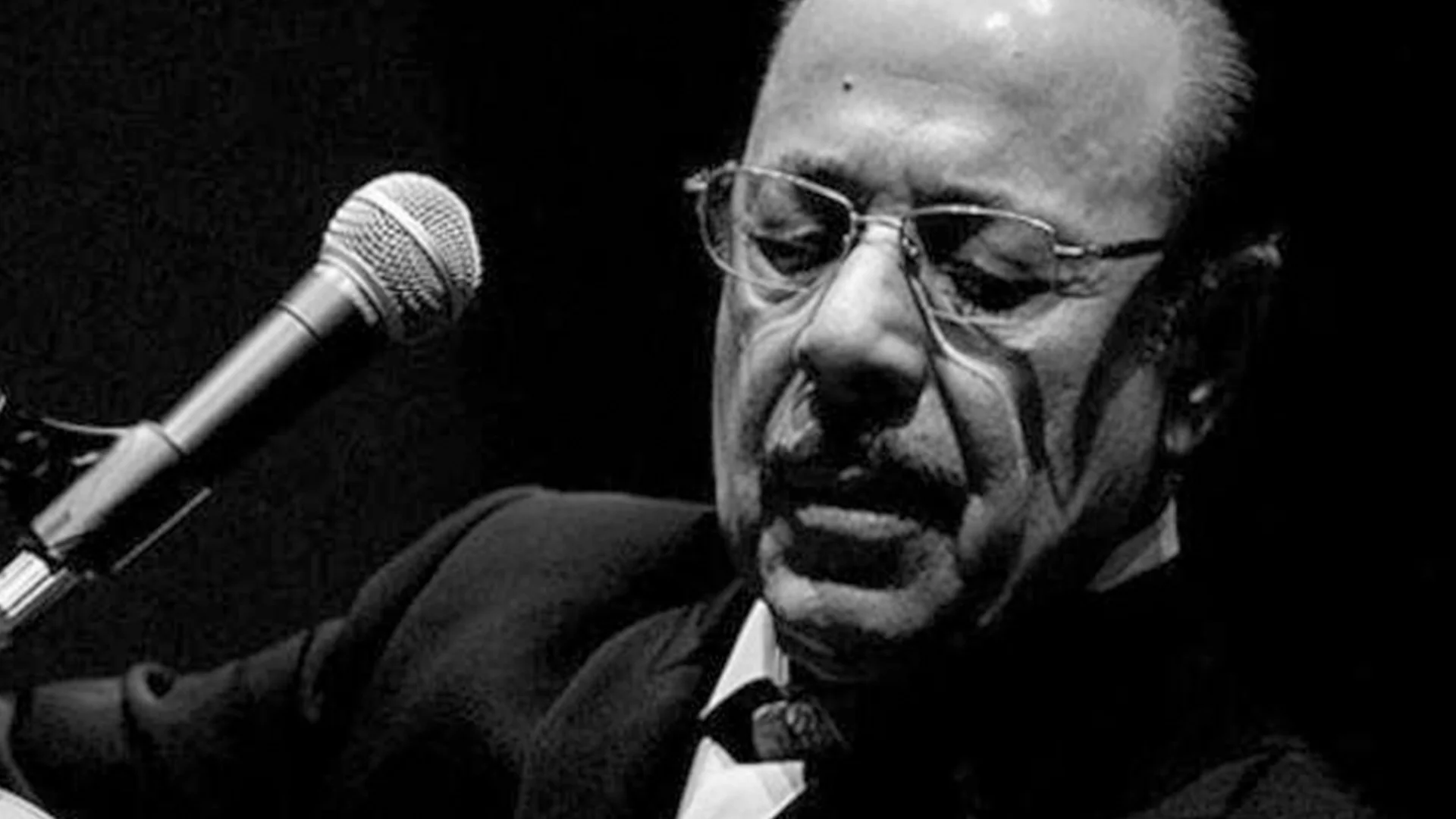
Neşet Ertaş
 Turkey
Also known as: Bozkırın Tezenesi, The Plectrum of the Steppe
Birthday
March 1, 1938
Birth Sign
Pisces
Birthplace
Çiçekdağı, Kırşehir, Turkey
Age
Died at 74
About
Neşet Ertaş was a towering figure in Turkish culture who defined the sound of Anatolian folk music. Born in the small town of Çiçekdağı, he became known globally as "Bozkırın Tezenesi" (The Plectrum of the Steppe), a title given to him by the renowned author Yaşar Kemal. He mastered the bağlama, a traditional string instrument, while writing lyrics that captured the raw emotions of rural life, social struggles, and human connection.
His legacy endures more than a decade after his death. He recorded hundreds of songs that served as a cultural archive for the Turkish experience. Even today, his music is celebrated for its timeless quality and deep emotional resonance, inspiring countless artists across genres to reinterpret his work for modern audiences.
Early Life & Background
Neşet Ertaş entered the world in 1938 within the humble confines of Çiçekdağı, a town nestled in the Central Anatolia region. His family home was steeped in the traditions of the bozlak, an ancient form of improvised folk singing and storytelling. His father, Hüseyin Ertaş, was a respected folk singer, and his uncle, Hacı Taşan, was a master of the bağlama. Growing up in this musical household meant Neşet was immersed in oral traditions from his earliest days. He learned to play the bağlama and compose verses while still a child, often performing at local village gatherings and festivals.
Before achieving national recognition, Ertaş worked various manual labor jobs, including farming and construction, to support his family. Despite facing poverty, he never abandoned his art. In the late 1950s and early 1960s, he began performing in coffee houses, known as kahvehaneler, and on local radio stations in Kırşehir and surrounding towns. His unique voice and ability to improvise verses on the spot quickly gained him a loyal local following. A pivotal moment occurred when he met Yaşar Kemal, who recognized his genius and gifted him the book Memed, My Hawk with the inscription "To the Plectrum of the Steppe," solidifying his reputation as a poet of the people.
Career Growth
Ertaş's professional career took off in earnest during the 1960s. He released his first recordings in the late 1960s, but it was in the 1970s that he truly exploded onto the national scene. His breakthrough came with albums like Gönül Dağı and 10 Ağla Sazım, which featured his signature style of blending traditional folk melodies with poignant, socially conscious lyrics. Throughout the 1980s and 1990s, he remained a dominant force in Turkish folk music, producing a vast discography that included over 100 albums.
His work transcended mere entertainment; it became a cultural archive documenting the struggles of migration, the beauty of nature, and the complexities of love and loss. He was known for his improvisational skills, often composing songs on the spot during live performances. In the 2000s, he continued to perform and record, maintaining his relevance even as musical trends shifted. He participated in film soundtracks, including the critically acclaimed Once Upon a Time in Anatolia (2011), directed by Nuri Bilge Ceylan, which brought his music to an international audience. His final years were marked by a steady stream of releases and tributes, cementing his status as a living legend.
Career Timeline
Public Image & Style
Neşet Ertaş projected an image of authenticity and groundedness. He was known for his distinctive appearance, often sporting a beard and wearing traditional Turkish attire. His stage presence was commanding yet intimate, reflecting the deep connection he felt with his audience. Media portrayals consistently highlighted his role as a voice for the common people, emphasizing his refusal to compromise his artistic integrity for commercial gain. His persona was that of a wise elder and a storyteller, someone who spoke directly to the soul of the nation.
Fame & Fandom (iFAMOUS Rankings)
iFANN has not yet collected fame data for this person. While there is no formal ranking in current global metrics, his standing in Turkey is absolute. He is universally regarded as one of the greatest Turkish musicians of all time. His fanbase does not have a specific name but consists of admirers who refer to themselves as followers of the "Bozkırın Tezenesi." Fans organize listening parties, create digital archives of rare recordings, and advocate for the preservation of his birthplace. The emotional connection fans feel to his music is profound, often described as a shared cultural identity. Bands like Altın Gün continue to introduce his work to new global audiences, ensuring his legacy grows rather than fades.
Interesting Facts and Legends
Neşet Ertaş was known for his humility despite his fame, often refusing to take credit for his improvisations and attributing them to the collective spirit of the people. He wrote lyrics that frequently addressed social issues like poverty, migration, and political oppression, making his music a form of protest. The town of Çiçekdağı has established a museum dedicated to his life and work, attracting visitors from around the world. His music has been sampled and covered by artists across genres, from rock to electronic, demonstrating its timeless appeal. One legendary story tells of his ability to compose a poem and set it to music in minutes, a skill that earned him the nickname "The Poet of the People." Another iconic moment was his performance at the 1970s Istanbul Folk Festival, where his rendition of Gönül Dağı caused the audience to weep openly, a moment still recounted by older fans today.
Notable Quotes
“Music is the language of the soul, and the bağlama is its voice.”
“I sing for the poor, for the oppressed, for those who have nothing but their hearts.”
“My songs are not just mine; they belong to the steppe, to the people, to history.”
Family & Personal Life
Neşet Ertaş was married to Zeynep Ertaş, who supported his career throughout his life by managing his affairs and accompanying him on tours. They had several children together, though the specific names and number are kept private by the family. Zeynep outlived him and continues to manage aspects of his legacy. His father, Hüseyin Ertaş, was a folk singer who influenced his early career, and his uncle, Hacı Taşan, was a master bağlama player. The family lived simply in Çiçekdağı, deeply rooted in the local community and its traditions.
Notable Connections
Yaşar Kemal, Hüseyin Ertaş, Hacı Taşan, Erdinç Eçevit, Nuri Bilge Ceylan
Relationships & Dating History
Neşet Ertaş was married to Zeynep Ertaş. They remained together until his death in 2012. There is no public record of prior marriages, engagements, or other romantic relationships outside of his marriage to Zeynep. She supported his career throughout his life, managing his affairs and accompanying him on tours. As of 2026, Neşet Ertaş is deceased, so his relationship status is permanently "widowed" from the perspective of his spouse, who outlived him. No other partners have been confirmed by credible sources.
- MarriedZeynep ErtaşUnknown - 2012Remained married until his death; she manages his estate.
Death & Aftermath
Died
September 25, 2012 (aged 74)
Death Place
İzmir, Turkey
Cause of Death
Heart failure
Neşet Ertaş died on September 25, 2012, at the Medical Point İzmir Hospital in İzmir. He was 74 years old. The official cause of death was heart failure, though reports noted he had been battling a long-term illness in his final months. His passing sent shockwaves through Turkey and the global folk music community. Thousands gathered in his hometown of Çiçekdağı for a massive public funeral, where friends, family, and fans paid their respects before burying him in the family cemetery. Politicians, cultural figures, and fellow musicians issued statements honoring his contribution to Turkish heritage.
In the years following his death, interest in his work surged. Streaming numbers climbed as new generations discovered his lyrics about rural life, migration, and love. Cultural institutions posthumously honored him with awards and dedications. In 2020, plans were announced for a biopic titled Neşet Ertaş: Bozkırın Tezenesi to chronicle his life. The estate, managed by his wife Zeynep and children, continues to generate revenue through album sales, licensing deals for films like Once Upon a Time in Anatolia, and merchandise. Annual festivals keep his memory alive, ensuring his voice remains part of the cultural conversation more than a decade after he left us.
Net Worth (Estate Value)
$1 Million
iFANN Editorial Team estimate
Neşet Ertaş passed away in 2012 with a net worth estimated at approximately $1 million. This figure reflects his life as a folk artist rather than a pop star, derived primarily from album sales, concert revenues, and royalties during his lifetime. Since his death, his estate has generated significant revenue through posthumous releases, licensing deals for films and documentaries, and merchandise sales. The estate is managed by his wife and children, who oversee the continued distribution of his catalog. Given the enduring popularity of his music and recent attention from bands like Altın Gün, the estate's value has likely grown substantially since 2012. iFANN currently estimates the estate's total value at approximately $1 million based on available historical earnings and ongoing royalty streams.
Awards Won (2)
While specific award ceremonies like Grammys are less common for traditional folk artists in Turkey, Neşet Ertaş received numerous prestigious honors. He was awarded the "Presidential Culture and Arts Grand Award" by the President of Turkey. He received multiple lifetime achievement awards from Turkish cultural foundations and music associations. He was inducted into the Turkish Music Hall of Fame and frequently cited in "Greatest of All Time" lists for Turkish folk music.
1990 · Lifetime Achievement
Contribution to Turkish Folk Music
1995 · Hall of Fame
Career Achievement
Known For
Gönül Dağı
1970 · Album
10 Ağla Sazım
1975 · Album
Once Upon a Time in Anatolia
2011 · Soundtrack Artist
Keywords
Sources
Quick Facts
- Profession
- singer, songwriter, composer
- Born
- March 1, 1938
- Birthplace
- Çiçekdağı
- Died
- September 25, 2012
- Death Place
- Medical Point İzmir Hospital
- Gender
- Male
Personal Details
- Full Name
- Neşet Ertaş
- Spouse
- Zeynep Ertaş
- Children
- Several (names kept private)
- Education
- Informal education; learned from father Hüseyin Ertaş and uncle Hacı Taşan
Filmography
3
Total
1
Film
2
TV
Frequently Asked Questions
Who was Neşet Ertaş?
When did Neşet Ertaş die?
What is Neşet Ertaş's most famous song?
Did Neşet Ertaş have any children?
Is there a movie about Neşet Ertaş?
Social Media
Similar People
Join the community
fans discussing