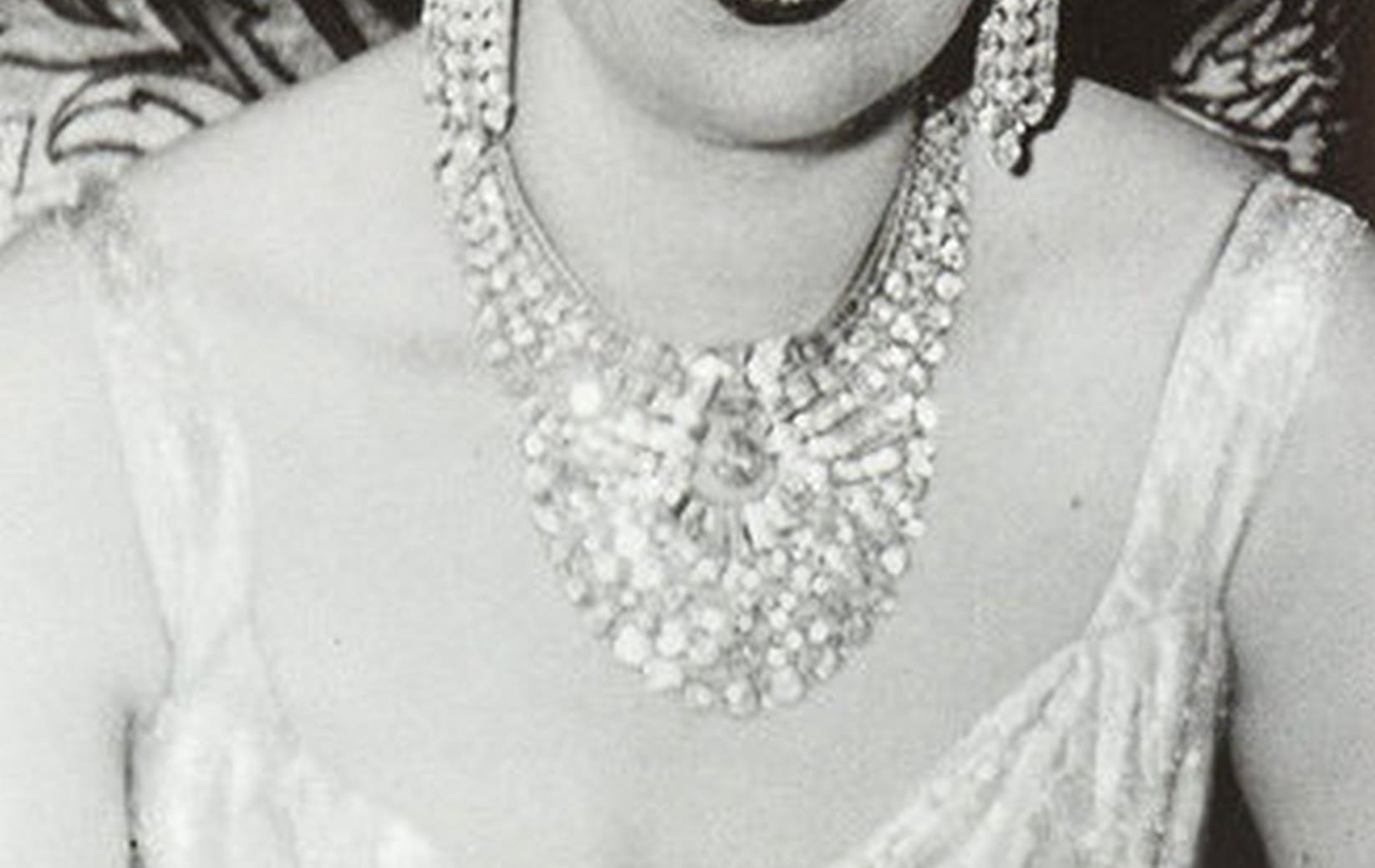
Nazli Sabri
 Egypt
Birthday
June 25, 1894
Birth Sign
Gemini
Birthplace
Alexandria Governorate, Egypt
Age
Died at 83
About
Nazli Sabri (1894–1978) was the first Queen Consort of the Kingdom of Egypt and the second wife of King Fuad I. Born into a prominent Circassian family in Alexandria, she ascended to the throne at age 25 and became a central figure in Egyptian royal life during the transition from monarchy to republic. Her tenure as queen lasted from 1919 until 1936, ending with the death of her husband.
Following the 1952 revolution that abolished the Egyptian monarchy, she was stripped of her titles and lived out her final decades in voluntary exile in the United States. She died alone and reportedly impoverished in California in 1978. Her life serves as a stark contrast between the grandeur of early 20th-century royalty and the destitution of later exile.
Early Life & Background
Nazli Sabri was born on June 25, 1894, in Alexandria, Egypt, into a wealthy and influential Circassian family. Her father, Mustafa Fahmi Pasha, served as the Minister of Public Works, while her mother, Fatma Hanim, was also of Circassian descent. The family belonged to the elite Ottoman-era aristocracy in Egypt, ensuring Nazli grew up in an environment of privilege and high social standing.
She received a private education typical for young women of her class, which included instruction in French, music, and court etiquette. These lessons prepared her for a life within the upper echelons of society, though she initially lived a relatively secluded existence within her family's estate in Alexandria. Known for her striking beauty and grace, she remained largely out of the public eye until her marriage to Sultan Fuad in 1919 elevated her to the position of Queen Consort when Egypt was declared a kingdom in 1922.
Career Growth
Nazli Sabri's primary role was defined by her status as a royal consort rather than a professional career in the modern sense. Upon marrying Sultan Fuad on January 19, 1919, she became the second wife of the ruler. When Egypt was declared a kingdom in 1922, she officially assumed the title of Queen Consort. During her reign from 1919 to 1936, she was a patron of the arts and fashion, setting trends in Cairo and maintaining an extensive jewelry collection that became legendary.
Her influence waned after the death of her husband on April 28, 1936, when her son Farouk ascended to the throne. Although she became the Queen Mother, her political power diminished significantly as Farouk established his own rule. By 1948, she had been officially stripped of her royal titles and privileges due to political shifts and family disputes. The 1952 revolution led by the Free Officers Movement abolished the monarchy entirely, forcing the royal family into exile. Nazli chose to leave Egypt, settling in the United States where she lived in obscurity until her death in 1978.
Career Timeline
Public Image & Style
Nazli Sabri is portrayed in historical narratives as a tragic matriarch who witnessed the collapse of the Egyptian monarchy. Her public image is defined by two contrasting periods: the elegance and regality of her time as Queen Consort, where she was known for her stunning beauty and extravagant jewelry, and the destitution of her final years in exile.
Media coverage often highlights her "stoicism" at her husband's death and her "fall from grace." She is viewed as a symbol of the lost grandeur of the Egyptian monarchy, a woman who rose to the highest heights of power only to die in poverty. Her legacy persists through biographies and recent articles detailing her tragic life, particularly the story of her silent grief and subsequent exile.
Fame & Fandom (iFAMOUS Rankings)
From the sun-drenched streets of Alexandria to the quiet obscurity of her final years in California, Nazli Sabri remains a figure whose historical weight translates into enduring global recognition. Her standing is firmly established in the modern consciousness, currently holding the position of the 66th most famous person from Egypt, a spot she has maintained steadily through recent cycles. This placement reflects the lasting resonance of her life as the first Queen Consort of the Kingdom of Egypt, a title that anchors her legacy within the broader narrative of the nation's history. These rankings are part of the iFANN Global Fame Rankings.
Despite her royal status and the dramatic arc of her life, Nazli Sabri does not command a formalized fanbase with an official name or organized campaigns. Unlike contemporary celebrities who inspire specific rituals or dedicated online communities, the audience for her story is composed of historians, royalty enthusiasts, and those interested in the tragic decline of the Egyptian monarchy. There are no documented fan-funded projects, birthday tributes, or internal jokes associated with her memory. Her legend exists not in the fervor of active followers but in the sober recounting of a matriarch who watched her son ascend the throne without shedding a tear and eventually died in voluntary exile, bankrupt and alone.
Interesting Facts and Legends
One of the most enduring legends surrounding Nazli Sabri concerns her reaction to the death of her husband, King Fuad I, in 1936. Historical accounts widely retell that she remained completely stoic during the funeral proceedings, shedding not a single tear while her son prepared to ascend the throne. This emotional restraint has become a defining element of her public image, often cited as evidence of the complex and cold relationship between mother and son.
Another notable fact is her Circassian heritage, which was common among members of the Egyptian royal family and held significant influence in the Ottoman and Egyptian courts. Despite her later years of poverty, she remains a fashion icon in Egypt. A 2016 article noted her as one of five Egyptian royals who are still considered style icons, referencing her extraordinary jewelry collection and elegant style which influenced the aesthetic of the Cairo elite in the 1920s and 30s.
Recent news in August 2026 highlighted the theft of a diamond necklace belonging to the Egyptian Queen in Vienna. The stolen piece contained 673 diamonds and was valued at approximately five million euros, underscoring the enduring value and mystery of her former possessions even decades after her death.
Family & Personal Life
Nazli Sabri was born to Mustafa Fahmi Pasha and Fatma Hanim, both of Circassian descent. Her father was a wealthy landowner and politician who served as the Minister of Public Works. She married King Fuad I of Egypt in 1919, and they had four children together: Princess Fawzia (later Empress of Iran), Prince Muhammad Abdel Moneim, Princess Faiza (later Shahbanou of Iran), and King Farouk I.
Historical accounts suggest she had a strained relationship with her son, King Farouk, whom she allegedly neglected in favor of her own social life and the demands of court protocol. After the monarchy fell, she lived out her final years in the United States, cut off from her extended family and the wealth she once commanded. She died alone in California in 1978.
Notable Connections
Relationships & Dating History
Nazli Sabri was married to King Fuad I of Egypt from 1919 until his death in 1936. They met through royal circles, and the marriage was arranged to consolidate political alliances. Together they had four children: Princess Fawzia, Prince Muhammad Abdel Moneim, Princess Faiza, and King Farouk I. The relationship ended with the death of her husband.
There are no documented romantic relationships outside of her marriage to King Fuad I. Historical records do not confirm any affairs or subsequent marriages. Her public image remained that of a devoted, albeit distant, mother and a stoic queen throughout her life. As of the time of her death in 1978, she was widowed.
- MarriedFuad I of Egypt1919 - 1936They had four children together before his death.
Death & Aftermath
Died
May 29, 1978 (aged 83)
Death Place
California, United States
Cause of Death
Natural causes
Nazli Sabri passed away on May 29, 1978, in California at the age of 83. Her final years were spent in voluntary exile following the 1952 Egyptian Revolution that abolished the monarchy. Historical accounts describe her death as occurring in poverty and isolation; she reportedly died bankrupt and alone, far removed from the wealth and status she once commanded as the first Queen Consort of Egypt. No official state funeral was held by the Egyptian government, which had been reorganized into a republic decades prior.
The circumstances of her passing marked the quiet end of a dramatic life that began in the opulence of the Ottoman-era aristocracy. While she did not receive formal tributes from the new Egyptian regime immediately after her death, her story has since been revisited by historians and cultural commentators as a tragic symbol of the fall of the royal family. Recent media attention in August 2026 focused on the theft of a diamond necklace historically associated with her collection in Vienna, reigniting public interest in the artifacts that defined her era. This event underscored the enduring legacy of her jewelry and the mystery surrounding the dispersal of royal treasures after the revolution.
Net Worth (Estate Value)
$0
iFANN Editorial Team estimate
As a deceased historical figure, Nazli Sabri does not have a current net worth in the traditional sense. During her reign from 1919 to 1936, she controlled immense wealth derived from the royal treasury and personal estates, owning a vast collection of jewelry including diamonds and pearls that were among the most valuable in the region.
However, following the 1952 revolution, her assets were confiscated by the Egyptian government. Reports indicate she died in 1978 in voluntary exile in California, reportedly bankrupt and with only personal effects remaining. The iFANN Editorial Team estimates her estate value at the time of death to be negligible, reflecting the total loss of her fortune. Recent news regarding the theft of a diamond necklace associated with her collection in Vienna in 2026 refers to artifacts preserved in museums or private collections rather than her personal estate.
Awards & Accolades
View 4 records, honours and achievementsKnown For
Kingdom of Egypt
1919-1936 · Queen Consort
Keywords
Sources
Quick Facts
- Profession
- Queen Consort
- Born
- June 25, 1894
- Birthplace
- Alexandria Governorate, Egypt
- Died
- May 29, 1978
- Death Place
- California, United States
- Gender
- Female
- Spouse
- Fuad I of Egypt
- Birth Sign
- Gemini
Personal Details
- Full Name
- Nazli Sabri
- Spouse
- Fuad I of Egypt
- Children
- Princess Fawzia, Prince Muhammad Abdel Moneim, Princess Faiza, King Farouk I
- Education
- Private education including French, music, and etiquette
Frequently Asked Questions
Who was Nazli Sabri?
How did Nazli Sabri die?
What happened to Nazli Sabri's jewels?
Why was Nazli Sabri stripped of her titles?
Did Nazli Sabri have children?
Similar People
Join the community
fans discussing