National University of Singapore
 Singapore
"A leading global university centered in Asia"
About
The National University of Singapore (NUS) is Singapore's flagship public research university, known for its rigorous academics and global outlook. It was officially established in 1980 when the government merged the University of Singapore and Nanyang University, creating a single institution that could serve the young nation's growing need for higher education. Since then, NUS has evolved into a comprehensive university, offering a wide range of undergraduate and postgraduate programs across disciplines like engineering, law, medicine, business, computing, and the arts and social sciences.
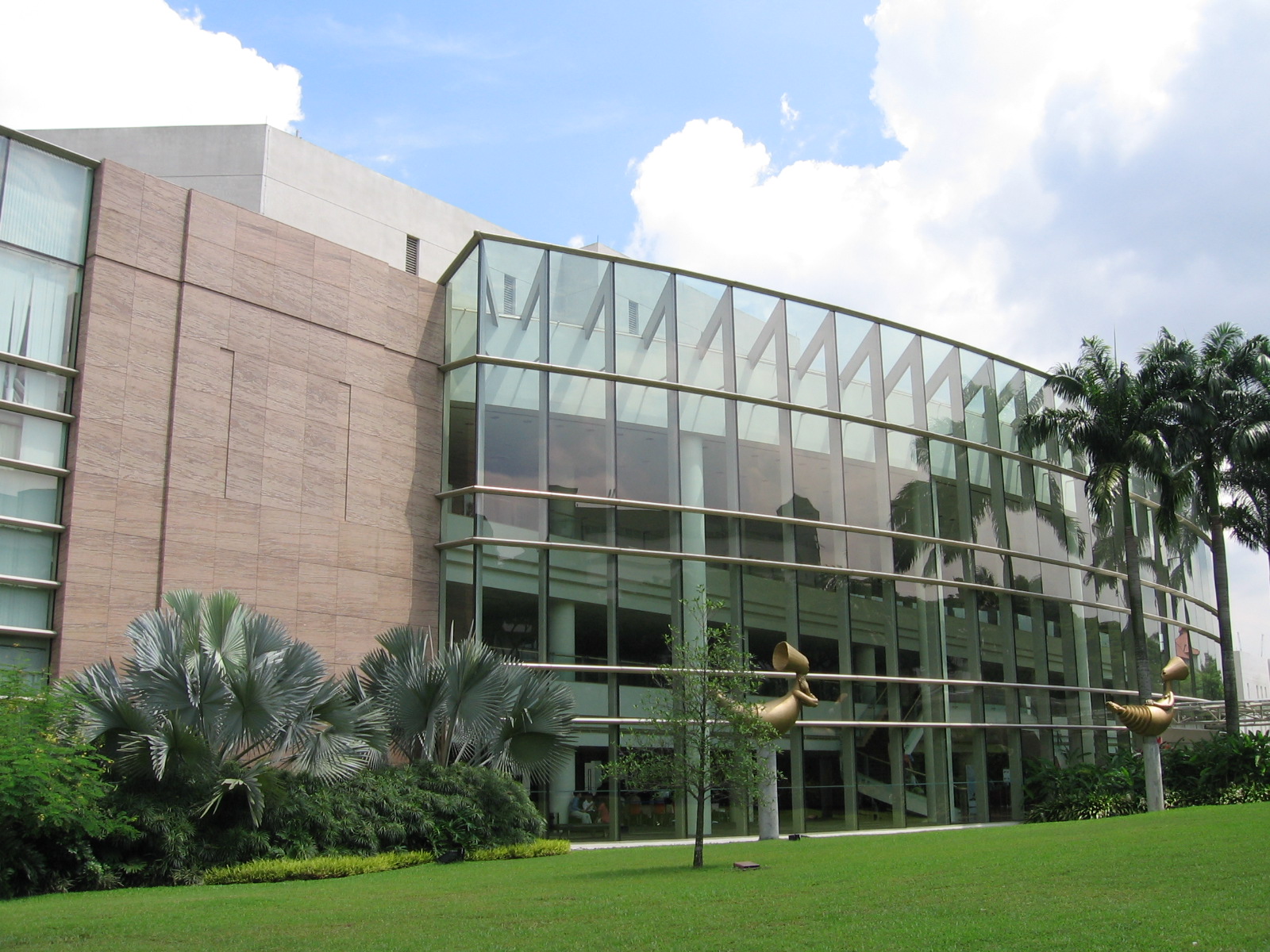
Today, NUS consistently ranks among the top universities in Asia and the world, frequently sitting at #1 in Asia in various ranking systems. The university's main campus in Kent Ridge is a sprawling, green space that houses 17 faculties and schools, along with research institutes and entrepreneurial hubs. With a student body of over 40,000, NUS is a melting pot of cultures, drawing talent from across the globe. Its alumni network includes political leaders, CEOs, and Nobel laureates, reflecting the institution's impact on both the region and the world.
NUS is not just an academic institution; it's a launchpad for innovation. Through initiatives like NUS Enterprise and partnerships with industry giants, the university encourages students to turn ideas into startups. This blend of tradition and forward-thinking makes NUS a dynamic place to learn and grow. Whether you're a prospective student or simply curious about higher education in Asia, NUS stands as a prime example of how a university can shape a nation's future.
Mission
NUS's mission centers on education, research, and service that transform lives and contribute to society. The university positions itself as 'a leading global university centered in Asia,' emphasizing its role in shaping the future through rigorous academics, cutting-edge research, and community engagement. Its ethos combines academic excellence with service to society, reflected in initiatives ranging from community fundraising to international research partnerships.
History
NUS traces its roots to 1905, when the Straits Settlements and Federated Malay States Government Medical School opened its doors with a class of 23 students. That institution later became the King Edward VII College of Medicine, and in 1928, Raffles College was established to offer arts and sciences. After Singapore gained independence, these two institutions merged in 1949 to form the University of Malaya, which split in 1962 into the University of Singapore and the University of Malaya in Kuala Lumpur. Meanwhile, Nanyang University, founded in 1955 by the Chinese community, provided education in Mandarin.
The pivotal moment came in 1980 when the government merged the University of Singapore and Nanyang University to create the National University of Singapore. This consolidation brought together English-medium and Chinese-medium traditions under one roof, creating a single national flagship. The merger was part of a broader strategy to build a world-class higher education system that could support Singapore's rapid industrialization and economic growth.
Over the decades, NUS has expanded its footprint significantly. The 1990s saw the establishment of the NUS Business School and the School of Computing. In 2000, the university formed a partnership with Duke University to create Duke-NUS Medical School, a graduate-entry medical school that has become a leader in biomedical research. The 2010s brought the founding of Yale-NUS College, a liberal arts college developed in collaboration with Yale University, which operated until 2025. NUS also opened University Town (UTown) in 2011, a residential and learning hub that houses several faculties and student residences.
More recently, NUS has strengthened its research capabilities through initiatives like the NUS Research Centres of Excellence and the integration of the Tropical Marine Science Institute. The university's leadership has also focused on innovation and entrepreneurship, with NUS Enterprise supporting startups and industry collaborations. In 2026, NUS faculty member Xiaogang He won the inaugural Global Climate Research Prize, a testament to the university's growing impact in climate science.
Milestones
1905
Founded as the Straits Settlements and Federated Malay States Government Medical School
1980
Official establishment of NUS through merger of University of Singapore and Nanyang University
2011
Yale-NUS College founded through partnership with Yale University
2026
NUS Assistant Professor Xiaogang He wins the first Global Climate Research Prize
2026
Oura and NUS open a Joint Lab for personalized preventive health research, marking Oura's first research entity in the APAC region
2026
Razer and NUS School of Computing launch a joint AI gaming research initiative
Sources
Organization Info
- Founded
- 1905
- Headquarters
- 21 Lower Kent Ridge Rd, Singapore 119077
- Country
- Singapore
- Chairman
- Hsieh Fu Hua
- Type
- University
- Employees
- 17340
- Students
- 40000
Financials
- Revenue
- $2.3 billion
- Employees
- 17340
Official Website
nus.edu.sg
Join the community
fans discussing