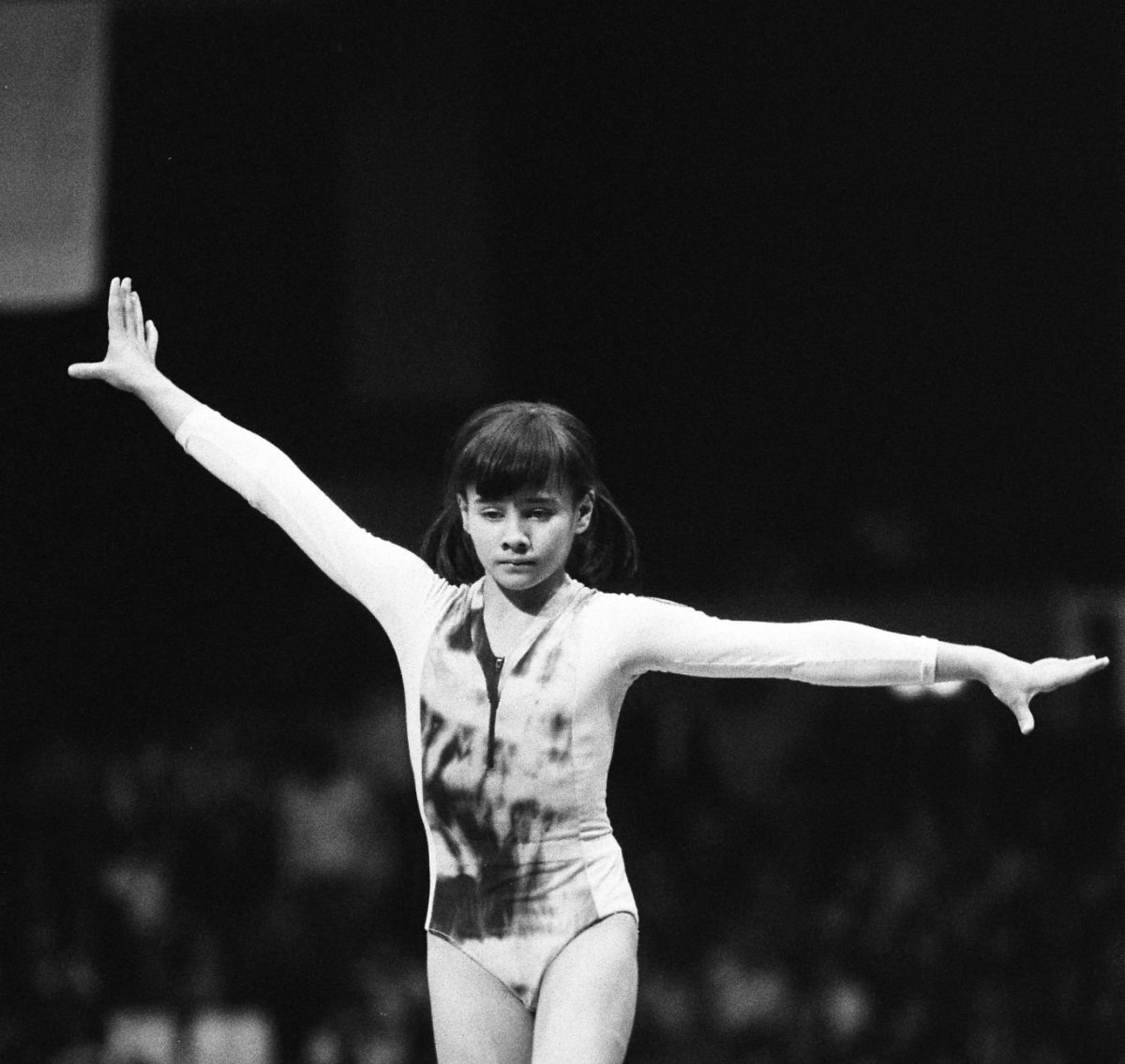
Natalia Shaposhnikova
 Russia
Birthday
June 24, 1961
Birth Sign
Cancer
Birthplace
Rostov-on-Don, Russia
Age
65 years old
About
Natalia Shaposhnikova is a Russian former Soviet artistic gymnast, a two-time Olympic champion, and one of the most inventive competitors the sport has ever seen. She is best remembered for her daring and original routines on the balance beam and uneven bars, where she introduced skills that changed how women's gymnastics was performed. As of 2026, she remains a celebrated figure in the gymnastics community, with a legacy that continues to influence the sport.
Shaposhnikova's career was marked by a fearless approach to difficulty. She became the first woman to perform a giant swing on the uneven bars, a skill now known as the Shaposhnikova. Her expressive choreography and elegant execution earned her a devoted following, and she is widely regarded as a pioneer who pushed the boundaries of what was considered possible. Fans still marvel at her creativity and the way she blended athleticism with artistry.
Early Life & Background
Natalia Shaposhnikova was born on June 24, 1961, in Rostov-on-Don, Russia. Her journey into gymnastics actually began on a different path: she first trained as a rhythmic gymnast before switching to artistic gymnastics. That early background in rhythmic gymnastics likely contributed to the fluid, dance-like quality she later brought to her routines on the balance beam and floor exercise.
By age 10, Shaposhnikova had already shown remarkable promise, becoming a champion female gymnast in Lancashire. Her early affinity for the balance beam was evident, and she quickly gained a reputation for performing with confidence and flair. Coaches took notice of her natural flexibility and fearless attitude, which set the stage for her rapid rise through the Soviet gymnastics system. The transition from rhythmic to artistic gymnastics was not always seamless, but Shaposhnikova's dedication and natural talent helped her adapt and excel in the more demanding discipline.
Career Growth
Shaposhnikova's breakthrough came in the mid-1970s when she began competing internationally. In 1975, she made history by performing a giant swing on the uneven bars, a skill no woman had ever done in competition. That moment not only defined her career but also left a lasting mark on the sport, as the move was later named after her and became a staple in high-level gymnastics.
Her Olympic career reached its peak in the early 1980s. At the 1980 Moscow Olympics, she was a key member of the Soviet team that won the gold medal in the team all-around competition. She also earned a silver medal on the uneven bars, finishing behind her teammate. Four years later, at the 1984 Los Angeles Olympics, she again contributed to the Soviet team's gold medal victory, making her a two-time Olympic champion. Beyond the Olympics, Shaposhnikova also showcased her talent at World Championships and European Championships, consistently placing among the top gymnasts. She was inducted into the International Gymnastics Hall of Fame in 2010, a fitting tribute to her contributions to the sport.
Career Timeline
Public Image & Style
Shaposhnikova is remembered as one of the most creative and beautiful gymnasts of all time. Her routines were characterized by elegance, originality, and a fearless approach to difficulty. She was a star and an innovator, a gymnast who didn't just follow trends but set them. Fans and fellow gymnasts alike have praised her expressive choreography on the balance beam and her ability to make difficult skills look effortless. Her legacy as a pioneer has endured, and she is often cited as an inspiration by modern gymnasts who push the boundaries of the sport.
Fame & Fandom (iFAMOUS Rankings)
Natalia Shaposhnikova commands a legacy defined by technical innovation rather than contemporary celebrity metrics. Her influence remains anchored in the specific domain of artistic gymnastics, where her name is synonymous with the eponymous bar skill that revolutionized women's apparatus work. As of August 2026, iFANN has evaluated her global standing and determined that she does not currently hold a placement in the published Global Top 1,000 rankings or any scope-based top-100 lists. This absence from the current numerical hierarchy reflects the nature of her fame as a historical figure whose recognition stems from verified athletic achievements and enduring terminology within the sport rather than modern media consumption signals. While the general public may not engage with her name through daily news cycles or social media trends, her status among historians and practitioners is absolute. The gymnastics community maintains a respectful, dedicated appreciation for her contributions, though no formal fandom structure, organized fan club, or documented collective nickname exists to describe this audience. Unlike modern stars who cultivate specific fan rituals or viral campaigns, Shaposhnikova's supporters operate through the preservation of sporting history and the study of her routines. Her recognition is derived from the International Gymnastics Hall of Fame induction in 2012 and the continued execution of her skills on competition floors worldwide. The scale of her reach is measured in the longevity of her innovations rather than the volume of search queries or fleeting internet attention. She represents a category of athlete whose fame is static in its prestige but distinct in its lack of commercial pop-culture infrastructure.
Interesting Facts and Legends
Shaposhnikova's innovative spirit extended beyond the uneven bars to include a unique balance beam mount involving a roundoff onto the springboard followed by a back handspring onto the apparatus, a maneuver considered highly risky during her era. Her background in rhythmic gymnastics provided an unusual advantage in flexibility and body control, allowing her to incorporate dance elements into her routines that were ahead of their time. Despite her Olympic success, she never secured an individual gold medal, yet her team golds and silver medals underscored her consistency and value to the Soviet squad. A dedicated fan page on Facebook persists today, where enthusiasts discuss her routines and celebrate her legacy. The most significant legend associated with her career is the skill that bears her name: the Shaposhnikova, marking the first woman to execute a giant swing between the uneven bars. This innovation fundamentally altered the sport and remains a standard element in the global Code of Points decades later. Her performance at the 1980 Moscow Olympics stands as a peak moment in Soviet gymnastics history, where she won two gold medals and two bronze medals despite the boycott by several nations. Her enduring legacy was formally cemented in 2012 upon her induction into the International Gymnastics Hall of Fame, acknowledging her transition from rhythmic gymnastics to artistic dominance.
Family & Personal Life
Details about Shaposhnikova's family life remain largely private. She has not publicly shared extensive information about her parents, siblings, or her own household. What is known is that she grew up in Rostov-on-Don, a city in southern Russia, and that her early family support was crucial in her gymnastics development. As of 2026, she is believed to be living in Russia, though she has maintained a low profile away from the spotlight.
Notable Connections
Shaposhnikova is often mentioned alongside other gymnasts who have named skills, such as Natalia Yurchenko, who pioneered the Yurchenko vault, and Nellie Kim, known for her own innovative moves. The 'Shaposhnikova family' of skills on the uneven bars is frequently discussed in gymnastics circles, distinguishing her contributions from those of others. She also shares a connection with Nina Savelyeva, who was part of the Soviet gymnastics scene during the same era.
Relationships & Dating History
Salary, Net Worth In 2026
$1 Million
iFANN Editorial Team estimate
Per iFANN's editorial analysis, Natalia Shaposhnikova's net worth is estimated at $1 Million as of 2026. This valuation accounts for her career earnings as a Soviet-era gymnast, which included state support and bonuses for Olympic medals. Like many athletes from that period, her financial rewards were modest compared to modern standards. Following her retirement, she likely generated income through coaching, exhibitions, and appearances, although specific details regarding these activities remain scarce. Her net worth in 2026 sits at this level, reflecting the limited commercial opportunities available to gymnasts during her competitive years.
Awards Won (3)
Natalia Shaposhnikova won two Olympic gold medals as part of the Soviet team, in 1980 and 1984, and an individual silver on the uneven bars in 1980. She was also an Honoured Master of Sports of the USSR, a prestigious national honour. In 2010, she was inducted into the International Gymnastics Hall of Fame, recognizing her lifetime contributions to the sport.
1984 · Team all-around
Soviet Union team
1980 · Team all-around
Soviet Union team
1980 · Uneven bars
Individual
Known For
Olympic team gold medals
1980, 1984 · Team member
First woman to perform a giant swing on uneven bars
1975 · Innovator
Keywords
Sources
Quick Facts
- Profession
- artistic gymnast
- Born
- June 24, 1961
- Birthplace
- Rostov-on-Don, Russia
- Gender
- Female
- Birth Sign
- Cancer
- Olympic medals
- 2 gold, 1 silver
- Hall of Fame
- 2010
Frequently Asked Questions
When was Natalia Shaposhnikova born?
What is Natalia Shaposhnikova's net worth in 2026?
Is Natalia Shaposhnikova still involved in gymnastics?
What is the Shaposhnikova skill in gymnastics?
How many Olympic medals did Natalia Shaposhnikova win?
Social Media
Similar People
Join the community
fans discussing