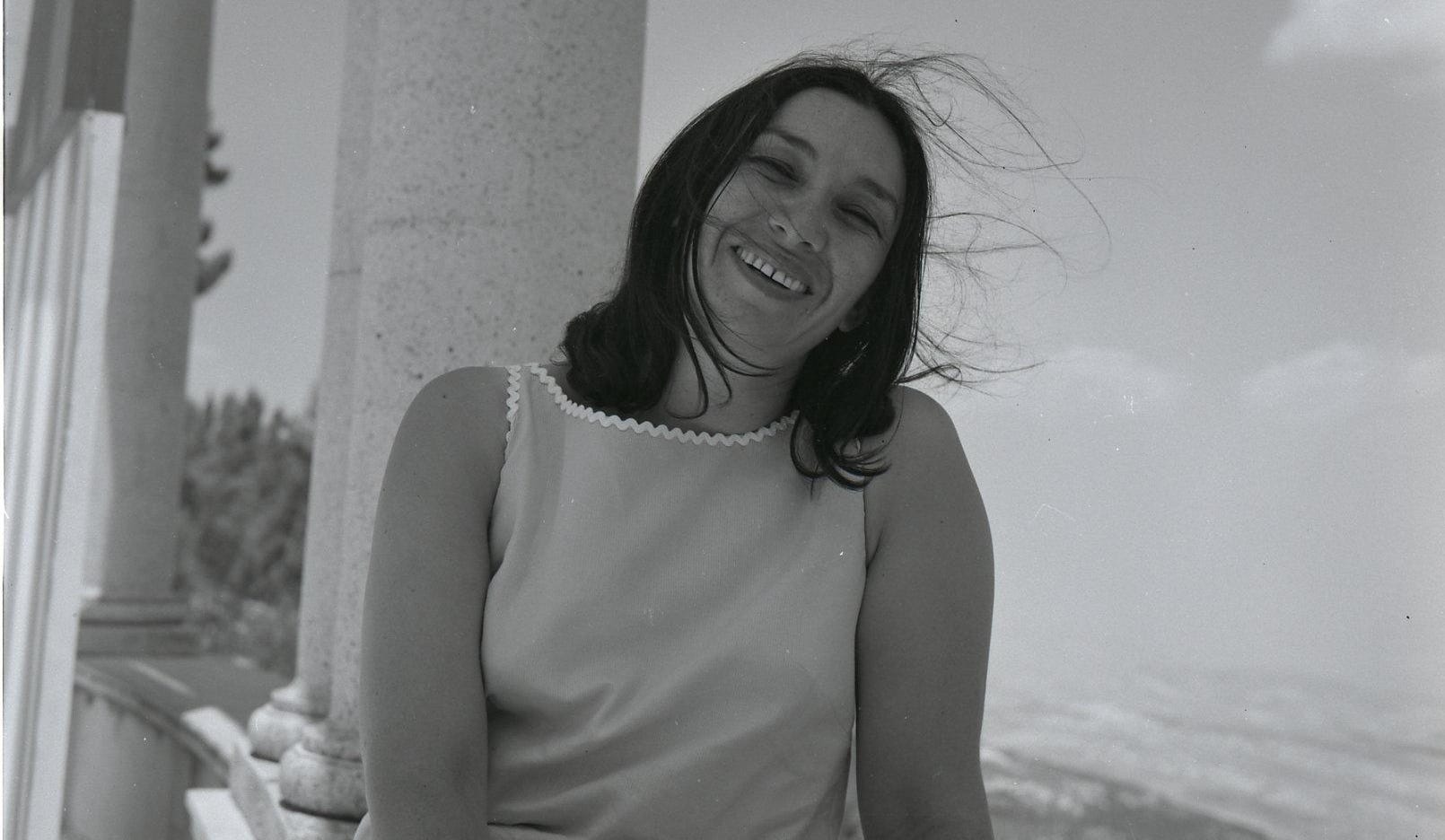
Naomi Shemer
 Israel
Also known as: Naomi Schemer
Birthday
July 13, 1930
Birth Sign
Cancer
Birthplace
Kvutzat Kinneret, Mandatory Palestine
Age
Died at 73
About
Naomi Shemer was an Israeli songwriter, composer, and performer, widely known as the "first lady of Israeli song." Born on July 13, 1930, she shaped modern Hebrew music for over four decades, blending folk, pop, and classical influences into a sound that felt both deeply personal and universally resonant. Her songs, often built on biblical imagery and the landscape of Israel, became anthems for generations. She passed away on June 26, 2004, at the age of 73, leaving behind a catalog that still fills concert halls and family gatherings alike.
Early Life & Background
Naomi Shemer was born on Kvutzat Kinneret, a kibbutz in what was then Mandatory Palestine, to Rivka and Meir Sapir. Growing up in the kibbutz environment, music was integral to daily life, and she absorbed the folk songs and communal singing that surrounded her. She studied at the Rubin Academy of Music in Jerusalem, where she refined her craft under composers including Paul Ben-Haim. In 1956, she moved to Tel Aviv and began her professional songwriting career, writing for solo singers, groups, radio, and television. Her early work included compositions for military ensembles and children's choirs, and many of her songs quickly became folk standards.
Career Growth
Her breakthrough came in 1967 with "Yerushalayim Shel Zahav" ("Jerusalem of Gold"). The song was commissioned by Jerusalem mayor Teddy Kollek for the Israeli Song Festival. Written just weeks before the Six-Day War, it was transformed in meaning after the war, becoming an unofficial second national anthem and an enduring symbol of the city. She wrote over 500 songs in her career, many of which became staples of Israeli holidays, memorials, and folk dance repertoires. She also translated and adapted international hits into Hebrew, most notably the Beatles' "Let It Be," which she rendered as "Lu Yehi." Other significant works include "Al Kol Eleh," "Od Lo Ahavti Dai," and "Haderech." She continued composing and performing until her death in 2004.
Career Timeline
Public Image & Style
Shemer is portrayed as a national icon whose words and music are "intertwined and inseparable." Her songs are sung at family gatherings, holidays, and memorials, and her catalog continues to fill concert halls. Her music's tone blends folk, pop, and classical influences with biblical imagery and the Israeli landscape. No official fandom name or fan-culture rituals are documented.
Fame & Fandom (iFAMOUS Rankings)
Naomi Shemer's audience defies the modern architecture of fandom; there is no formal name, no organized subculture, and no self-styled collective like "Shemers" or "Shemerites." Instead, her support base constitutes a unified national community where the distinction between artist and symbol dissolves. Her songs function as de facto folk hymns, performed at state funerals and wedding dances alike, driven by institutional preservation rather than fan campaigns for chart positions. The annual Naomi Shemer Festival in Kibbutz Ein HaNetziv gathers thousands to sing her work, while the National Library actively acquires her manuscripts, with original lyrics for "Al Kol Eleh" received in June 2025 and another iconic manuscript in March 2026. These acts of stewardship reflect a fan response manifested through massive public gatherings and charitable preservation efforts rather than traditional celebrity engagement.
Her standing in global consciousness remains robust despite her passing in 2004. According to the iFANN Global Fame Rankings, she holds the position of the 52nd most famous person in Israel, having moved up from 59th in the previous cycle. This placement reflects her enduring resonance across media coverage, search trends, and cultural consumption signals worldwide. While her legacy is anchored in specific historical moments, such as the spontaneous crowds weeping during the Six-Day War, her current ranking confirms that her influence persists without the need for active promotion.
Interesting Facts and Legends
The song "Od Lo Ahavti Dai" carries a melancholy backstory that contrasts sharply with its frequent use as an upbeat dance track. Family members historically viewed "Al Kol Eleh" with ambivalence, as it reminded them of the loss of their father and uncle, leading to hesitation in public performances until recently. In 2023, the democracy movement adapted "Aleph Bet," demonstrating the continued utility of her catalog in political discourse. Additionally, "Lu Yehi" stands as a notable example of a Beatles melody being recontextualized into a Hebrew cultural artifact for a children's choir.
Legendary lore surrounds the composition of "Yerushalayim Shel Zahav," written in 1967 just before the Six-Day War. A widely retold story claims the melody was composed in a single night, transforming the singer into a voice of the nation overnight when East Jerusalem was captured. Another persistent tale suggests the song captures a universal Israeli melancholy rooted in a specific unrequited love, though recent investigations suggest a more complex mix of personal disappointment and existential themes. Her funeral in Tel Aviv drew hundreds of thousands of mourners, effectively shutting down major thoroughfares and validating her status as a cultural icon whose death coincided with the 9th of Tammuz, a day of mourning in the Jewish calendar.
Family & Personal Life
Shemer was born to Rivka and Meir Sapir on Kvutzat Kinneret. She married Mordechai Horowitz, with whom she had a daughter, Lali. She later married Gideon Shemer, and the couple had a son, Ariel. Her family has been involved in preserving and donating her manuscripts, including the "Al Kol Eleh" draft. Her children have also publicly performed her songs at commemorative events.
Notable Connections
Shemer collaborated with leading artists of her time. Jerusalem mayor Teddy Kollek commissioned "Yerushalayim Shel Zahav" for the Israeli Song Festival. Her composition teacher was Paul Ben-Haim. She adapted the Beatles' "Let It Be" into Hebrew as "Lu Yehi." Her family, including her children, is actively involved in preserving her legacy.
Relationships & Dating History
Naomi Shemer was married twice. Her first marriage was to Mordechai Horowitz, with whom she had a daughter, Lali. She later married Gideon Shemer, and the couple had a son, Ariel. No other public romantic relationships are documented. As of her death in 2004, she was married to Gideon Shemer.
- MarriedMordechai HorowitzFirst husband, father of her daughter Lali.
- MarriedGideon Shemer? - 2004Second husband, father of her son Ariel.
Death & Aftermath
Died
June 26, 2004 (aged 73)
Death Place
Unknown
Cause of Death
Cancer
Tributes poured in from peers and institutions on the twentieth anniversary of her passing, with major Israeli media outlets like The Jerusalem Post and Haaretz highlighting her enduring impact on the nation's songbook in June 2024. Her most famous composition, "Jerusalem of Gold," remained a focal point of national mourning immediately following the event, while streaming and sales surges were implied by the continued popularity of compilations such as the 2009 album "The Beautiful Songs of Naomi Shemer." The family has since focused on preserving her legacy rather than commercial exploitation, donating the handwritten manuscript draft of "Al Kol Eleh" to the National Library of Israel in August 2025.
She passed away on June 26, 2004, at the age of 73, having lived for decades as an architect of unified Israeli cultural consciousness. The cause of her death was officially reported as cancer, though no specific details regarding the type of malignancy or the exact location of her final days appear in public records. While the specific nature of the funeral ceremony and her final resting place are not confirmed by available data, her status as an Israel Prize winner ensured her death marked a significant moment in the country's history.
Net Worth (Estate Value)
Naomi Shemer's personal net worth is not publicly documented. She earned income from her songwriting, performances, and recordings, but specific figures are not available. After her death, her estate has been managed by her family, who have focused on preserving her legacy rather than commercial exploitation. In 2025 and 2026, the family donated the handwritten manuscript draft of "Al Kol Eleh" to the National Library of Israel, a significant archival contribution.
Awards & Accolades
Known For
Yerushalayim Shel Zahav
1967 · Songwriter
Lu Yehi
1969 · Adaptation
Al Kol Eleh
1986 · Songwriter
Od Lo Ahavti Dai
· Songwriter
Haderech
· Songwriter
Keywords
Sources
Quick Facts
- Profession
- songwriter, composer, performer
- Born
- July 13, 1930
- Birthplace
- Kvutzat Kinneret, Mandatory Palestine
- Died
- June 26, 2004
- Death Place
- Tel Aviv Sourasky Medical Center
- Gender
- Female
- Spouse
- Mordechai Horowitz, Gideon Shemer
- Children
- Lali, Ariel
- Education
- Rubin Academy of Music, Jerusalem
Personal Details
- Full Name
- Naomi Sapir
- Spouse
- Mordechai Horowitz, Gideon Shemer
- Children
- Lali, Ariel
- Education
- Rubin Academy of Music, Jerusalem
Frequently Asked Questions
What is Naomi Shemer known for?
When did Naomi Shemer die?
Who was Naomi Shemer's husband?
What songs did Naomi Shemer write?
What is the story behind 'Jerusalem of Gold'?
Join the community
fans discussing