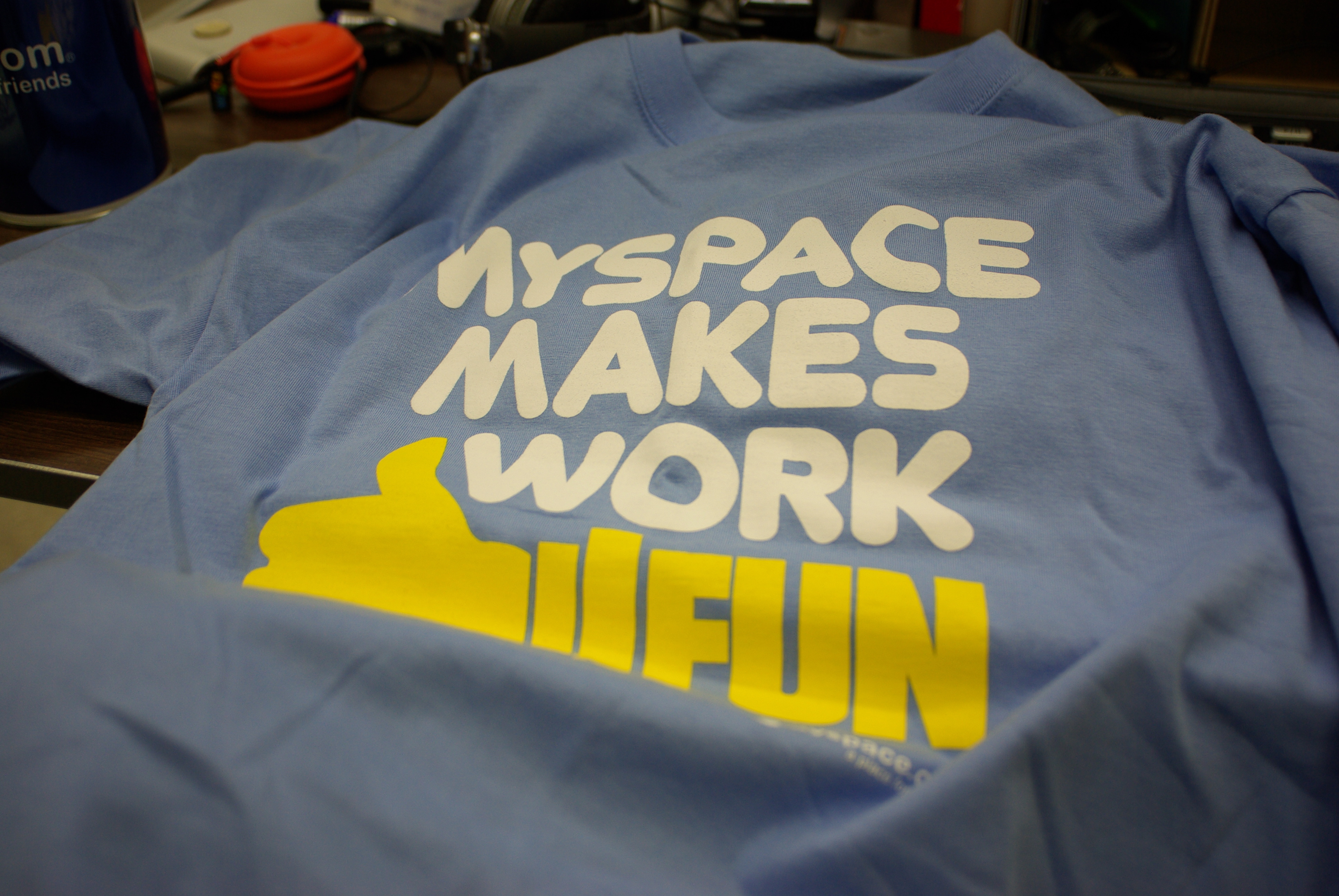
Myspace
by Myspace
"A place for friends, music, and self-expression"
Rating
4/5
Overview
Myspace launched on August 1, 2003, as an American social networking service that became the first to capture a truly global audience. Founders Tom Anderson and Chris DeWolfe built a platform where users could create highly customizable profiles using custom HTML and CSS, embed autoplay music tracks, and design layouts that reflected their personalities. This unprecedented level of personalization, combined with features like the Top 8 friends list, bulletins, groups, and integrated blogging, set Myspace apart from earlier networks like Friendster. The site quickly became a digital stage for musicians, photographers, and teenagers alike, fostering a vibrant ecosystem of self-expression and discovery.
Myspace's commercial trajectory was dramatic. News Corporation acquired the company for $580 million in July 2005, and by June 2006 it had become the most visited website in the United States, surpassing Yahoo Mail and Google Search. At its peak in April 2008, the platform attracted 115 million monthly visitors and generated $800 million in revenue during the 2008 fiscal year. However, the rise of Facebook, which overtook Myspace in U.S. unique visitors by May 2009, marked the beginning of a steep decline. Despite multiple redesigns and ownership changes, including a $35 million purchase by Specific Media Group and Justin Timberlake in 2011 and an $87 million acquisition by Time Inc. in 2016, Myspace never regained its former glory. The platform was eventually sold back to Viant Technology LLC in November 2019.
Today, Myspace exists as a diminished but enduring relic of the early internet era. Its cultural impact is undeniable: it shaped online interaction, influenced music discovery, and even spawned companies like Zynga, RockYou, and Photobucket through its open developer API. The 2019 server migration failure that lost all pre-2016 user uploads erased a digital archive of 2000s youth culture, yet nostalgia for the platform remains strong. As of July 2026, current owners Chris and Tim Vanderhook have teased a potential comeback, though without co-founder Tom Anderson, and millennials have expressed enthusiasm for a possible return to a messier, more personal era of social networking.
Key Features
- Customizable profiles with HTML/CSS
- Top 8 friends list
- Music streaming and artist pages
- Blogging tools
- Photo and video uploads
- Bulletins and groups
- Messaging and friend requests
- Developer API ecosystem
Specifications
| Launch Date | August 1, 2003 |
| Founders | Tom Anderson, Chris DeWolfe |
| Current Owner | Viant Technology LLC (since November 2019) |
| Peak Monthly Visitors | 115 million (April 2008) |
| Peak Revenue | $800 million (FY2008) |
| Platform | Web-based, Android, iOS |
Pros & Cons
Pros
- • High degree of profile customization
- • Strong music discovery and artist support
- • Nostalgic value for early internet users
- • Innovative social features like Top 8
Cons
- • Cluttered interface and slow load times
- • Heavy advertising and spam
- • Security and privacy concerns
- • Declining user base and outdated technology
Frequently Asked Questions
Is Myspace coming back?
How much did Myspace sell for?
Myspace vs. Facebook—which was bigger?
What happened to all the Myspace photos and music?
Is Myspace still worth using today?
Keywords
Sources
Product Info
- Brand
- Myspace
- Manufacturer
- Myspace Inc.
- Category
- Social Networking
- Released
- 2003-08-01
- Price
- Free
- Availability
- Available
- Launch Date
- August 1, 2003
- Founders
- Tom Anderson and Chris DeWolfe
- Acquisition by News Corp
- $580 million in July 2005
- Peak Monthly Visitors
- 115 million (April 2008)
- Peak Revenue
- $800 million (FY2008)
- 2019 Data Loss
- All pre-2016 user uploads lost in server migration
Where to Buy
Join the community
fans discussing