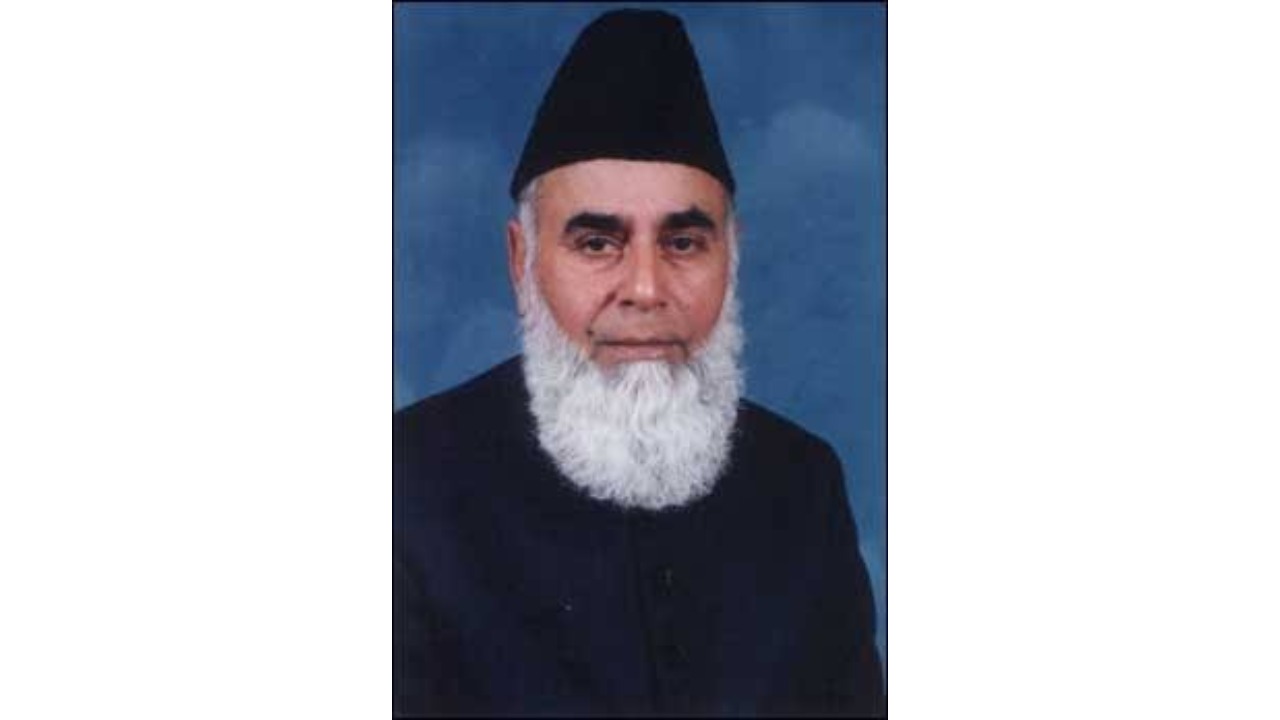
Muhammad Rafiq Tarar
 Pakistan
Birthday
November 2, 1929
Birth Sign
Scorpio
Birthplace
Gujranwala, Punjab, British India
Age
Died at 92
About
Muhammad Rafiq Tarar was a distinguished Pakistani jurist, politician, and the ninth President of Pakistan who served from January 1, 1998, until June 20, 2001. Born in Gujranwala in 1929, he built a formidable reputation as a lawyer before ascending to the highest judicial offices in the country. His career trajectory took him from private practice to the bench of the Lahore High Court, where he eventually served as Chief Justice, and later to the Supreme Court of Pakistan as a senior justice. His tenure as President is historically noted for its role in transitioning Pakistan's governance structure from a semi-presidential system to a parliamentary democracy through constitutional amendments that reduced presidential powers.
Early Life & Background
Born Muhammad Rafiq on November 2, 1929, in Gujranwala, then part of British India, he entered the world of law at a young age. He completed his early education in his hometown before pursuing higher studies specifically in jurisprudence. After earning his Bachelor of Laws degree, he began his professional life practicing as an advocate in Gujranwala. This period was defined by a steady rise within the local legal community, where he handled various civil and criminal cases that grounded his understanding of the populace and the judicial system. His early career established a reputation for integrity and legal acumen that would later serve as the foundation for his public service appointments.
Before entering the high echelons of politics, Tarar spent decades honing his craft in the courtroom. He transitioned from private practice into the judiciary, rising through the ranks to become a judge of the Lahore High Court. By 1989, he had ascended to the position of Chief Justice of the Lahore High Court, one of the most prominent courts in Pakistan. During this time, he oversaw significant legal proceedings and administrative reforms. His judicial ascent continued until 1992 when he was elevated to the Supreme Court of Pakistan as a senior justice. He served on the apex court until his retirement in 1994, leaving the bench with a legacy of rigorous legal interpretation.
Career Growth
Following his retirement from the judiciary in 1994, Tarar leveraged his constitutional expertise to serve as a legal advisor to Prime Minister Nawaz Sharif. This role bridged his legal background with active politics. In 1997, he made his formal entry into electoral politics when he was nominated to the Senate of Pakistan representing the Punjab province. Later that year, the Pakistan Muslim League (N) nominated him for the presidency. Despite initial challenges to his nomination, a Lahore High Court ruling paved the way for his election by the Electoral College.
On January 1, 1998, Tarar was sworn in as the ninth President of Pakistan, succeeding Wasim Sajjad. His administration lasted until June 20, 2001, when he resigned following the military coup led by General Pervez Musharraf. During his presidency, he signed the Constitution (Seventeenth Amendment) Act, 2003, though the process of shifting power dynamics occurred under his watch. His term is historically significant for reducing the executive powers of the presidency, effectively transforming the role into a ceremonial one while strengthening the office of the Prime Minister. This shift marked a pivotal moment in Pakistan's constitutional history.
Career Timeline
Public Image & Style
Tarar was portrayed as a dignified, conservative, and legally rigorous statesman throughout his public life. Media coverage focused heavily on his constitutional role and the quiet dignity of his final days rather than personal style or aesthetic. He was not known for a signature fashion sense but rather for his professional demeanor as a jurist and head of state. His public presence was defined by institutional duty, and he maintained a low-profile image compared to more flamboyant political figures. Tributes to him emphasized his contribution to the rule of law and stability in the country.
Fame & Fandom (iFAMOUS Rankings)
Muhammad Rafiq Tarar does not currently hold a placement in the published rankings of the Global Top 1,000 or any Top-100 scope list. The iFANN Global Fame Engine has evaluated this person, but they do not currently hold a placement in the published rankings. His profile remains outside the curated hierarchy of global celebrity metrics. While his tenure as the ninth President of Pakistan and his service as Chief Justice of the Lahore High Court cemented his status as a statesman, these achievements did not translate into the mass consumer signals required for a chart position. The absence of a formal ranking reflects the nature of his influence: profound within legal and political spheres, yet distant from the pop-culture machinery that drives global fame charts.
There is no documented fandom name associated with Tarar; his supporters have no formal name. Unlike entertainers who cultivate organized supporter bases with specific titles and rituals, Tarar's public life was defined by institutional duty rather than personal adoration. No fan organizations, birthday campaigns, or tribute projects have been recorded in historical archives. His death in March 2022 drew official condolences from state institutions and foreign dignitaries, marking a moment of national mourning rather than a fan-driven outpouring. The narrative surrounding him belongs to history books and constitutional records, not to the folklore of a devoted following.
Interesting Facts and Legends
One of the most enduring facts about Tarar is his role as a constitutional architect who helped shift Pakistan toward a parliamentary system. He lived to be 92 years old, witnessing significant political upheavals from the 1950s through the 2000s. In 2013, he publicly wrote a letter to President Asif Ali Zardari requesting an increase in his pension, a rare instance of a former president openly addressing financial concerns regarding their benefits. He spent the last two years of his life as a widower after his wife passed away in August 2020, a loss that reportedly exacerbated his health decline. His grandson, also named Muhammad Rafiq, is a PML-N leader who announced his death to the press.
Notable Quotes
“I am writing to you to request an increase in my pension.”
Family & Personal Life
Muhammad Rafiq Tarar was married to a woman whose name is often cited in obituaries but less frequently detailed in general biographies. Their marriage lasted until her death in August 2020, after which he lived as a widower. Specific details regarding the date of their marriage are not widely publicized. He had children, including a grandson named Muhammad Rafiq who is identified as a PML-N leader and announced his grandfather's death. While specific names of his sons or daughters are not prominently featured in available search results, the existence of a political lineage within the family is confirmed. He resided in Lahore for much of his later life.
Notable Connections
Relationships & Dating History
Muhammad Rafiq Tarar was married to a woman whose name is often cited in obituaries but less frequently in detailed biographies. They remained together until her death in August 2020. Her passing deeply affected the former president, and he was reported to be in frail health following her death. As a statesman of his era, Tarar did not have a dating history in the celebrity sense. His romantic relationships were confined to his marriage. There are no records of pre-marital relationships, engagements, or divorces. He remained married until his wife's death in 2020, after which he lived as a widower until his own death in 2022.
- MarriedUnnamed Wife? - 2020She passed away in August 2020, leaving him a widower.
Death & Aftermath
Died
March 7, 2022 (aged 92)
Death Place
Lahore, Punjab, Pakistan
Cause of Death
Natural causes resulting from prolonged illness
Muhammad Rafiq Tarar passed away on Monday, March 7, 2022, in Lahore at the age of 92. The former President of Pakistan died following a long period of declining health that had worsened after the death of his wife two years prior. His grandson and PML-N leader Muhammad Rafiq confirmed the news to the media, stating simply that his grandfather had passed away. Official reports from major outlets like Dawn and The News described the cause as natural causes stemming from a prolonged illness.
The nation observed a somber mood as tributes poured in from across the political spectrum. Saudi King Salman bin Abdulaziz sent a formal cable of condolence to Pakistani President Arif Alvi, acknowledging Tarar's service as the ninth head of state. While there were no organized fan vigils typical of celebrity culture, the event drew significant coverage from national newspapers and international wire services, reflecting his status as a key constitutional figure. Funeral prayers were held later that same day in Lahore, attended by family members and state officials before his burial.
His legacy endures through the constitutional changes he oversaw during his presidency, which shifted Pakistan toward a parliamentary democracy. Unlike entertainers whose estates generate posthumous revenue streams, Tarar's impact remains institutional within legal and political history. There were no major estate disputes or commercial releases following his passing; instead, his memory is preserved in historical records and academic discourse regarding Pakistan's governance structure.
Net Worth (Estate Value)
$0
iFANN Editorial Team estimate
Specific net worth figures for Muhammad Rafiq Tarar are not publicly tracked in the manner of celebrities due to his status as a public servant. No credible financial sources such as Forbes or Celebrity Net Worth list a net worth figure for him, as politicians of his stature typically do not disclose personal wealth in detail. His income derived from his salary as a judge, senator, and president, along with a pension granted to former presidents. In 2013, he wrote a letter to then-President Zardari demanding an increase in his pension, indicating reliance on this fixed income. Following his death, there is no public record of a massive estate valuation. His estate likely consists of standard residential property in Lahore and personal effects, managed by his family. The value is not a subject of public speculation or reporting.
Awards Won (2)
Tarar received numerous state honours including the Sitara-i-Imtiaz and Hilal-i-Imtiaz for his contributions to the legal field and public service. As the ninth President of Pakistan, he also conferred various national awards as part of his official duties.
Unknown · Civilian Award
Public Service
Unknown · Civilian Award
Public Service
Known For
President of Pakistan
1998-2001 · 9th President
Chief Justice of Lahore High Court
1989-1991 · Chief Justice
Supreme Court of Pakistan
1992-1994 · Senior Justice
Keywords
Sources
Quick Facts
- Profession
- judge, politician, lawyer
- Born
- November 2, 1929
- Birthplace
- Gujranwala
- Died
- March 7, 2022
- Death Place
- Lahore
- Gender
- Male
- Birth Sign
- Scorpio
Personal Details
- Full Name
- Muhammad Rafiq
- Education
- Bachelor of Laws (LL.B.)
Frequently Asked Questions
Who was Muhammad Rafiq Tarar?
When did Muhammad Rafiq Tarar die?
What was Muhammad Rafiq Tarar's cause of death?
Where was Muhammad Rafiq Tarar born?
Did Muhammad Rafiq Tarar have any children?
Join the community
fans discussing