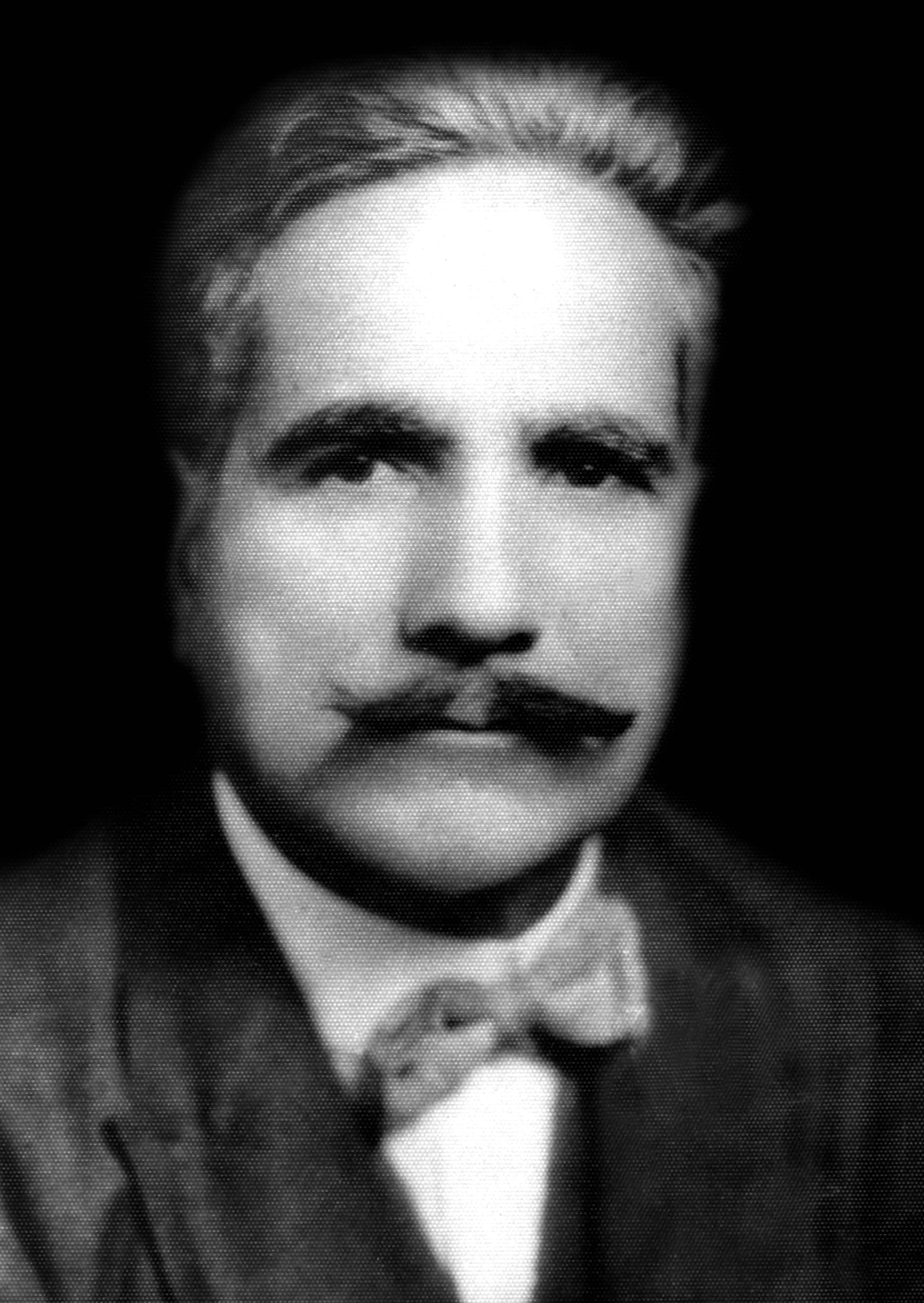
Muhammad Iqbal
 India
IndiaIslamic philosopher•poet•politician
Also known as: Allama Iqbal, Sir Muhammad Iqbal, Mia Iqbal
Birthday
November 9, 1877
Birth Sign
Scorpio
Birthplace
Sialkot, Punjab, British India
Age
Died at 60
About
Sir Muhammad Iqbal was an Islamic philosopher, poet, and politician whose intellectual legacy fundamentally shaped the political consciousness of South Asian Muslims. Born in Sialkot, then part of British India, he is widely revered as the National Poet of Pakistan and the Intellectual Founder of the nation that emerged in 1947. His poetry, written primarily in Urdu and Persian, blended classical literary traditions with modern philosophical concepts, most notably his philosophy of Khudi (the Self).
Iqbal served as a professor of philosophy at Government College Lahore and later as a member of the Punjab Legislative Council. While often compared to Western thinkers for his existential inquiries, his work remained deeply rooted in Islamic theology, advocating for the spiritual and political rejuvenation of the Muslim world. His vision of a separate Muslim state in northwestern India became the ideological blueprint for the creation of Pakistan.
Early Life & Background
Muhammad Iqbal was born on November 9, 1877, in Sialkot, Punjab, into a Kashmiri Muslim family. His father, Sheikh Noor Muhammad, was a tailor by trade but also a man of religious devotion who instilled in Iqbal a deep sense of Islamic identity from a young age. His mother, Imam Bibi, was known for her piety and intelligence; she famously encouraged her son's education and recited verses from the Quran to him daily.
Iqbal's early life was marked by academic excellence. He attended the Scotch Mission College in Sialkot, where he was exposed to Western literature and philosophy alongside traditional Islamic studies. At the age of twelve, he published his first book of poetry, Musafir Nama, in Persian. By his teenage years, he had already mastered Arabic and English, allowing him to engage with both Eastern and Western intellectual traditions simultaneously.
Before achieving global recognition, Iqbal pursued higher education in Europe, a pivotal period that transformed him from a local scholar into an international philosopher. He earned his Bachelor of Arts from Government College Lahore in 1895 and later obtained a Master of Arts in Philosophy from the same institution in 1899. In 1905, Iqbal traveled to Europe to study at Cambridge University in England. There, he studied under the guidance of Sir Thomas Arnold, a renowned scholar of Islam, which significantly influenced his understanding of Western thought. In 1907, he moved to Germany to pursue a doctorate at the University of Munich, where he studied under Professor Friedrich Hommel and completed his dissertation on the development of metaphysics in Persia in 1908.
Career Growth
Iqbal's career was not defined by commercial success or chart-topping hits, as he lived in an era before modern mass media, but rather by his profound influence on literature, philosophy, and politics. His breakthrough moment occurred with the publication of Asrar-e-Khudi (The Secrets of the Self) in 1915, followed by Rumuz-e-Bekhudi (The Secrets of Selflessness) in 1918. These works introduced his concept of Khudi, a dynamic, active selfhood that rejects passivity and encourages the individual to realize their potential through action and faith.
His most significant contribution came during his tenure as the President of the All-India Muslim League in 1930. In his famous Allahabad Address, delivered on December 29, 1930, Iqbal articulated the vision of a separate Muslim state in northwestern India, a speech that became the ideological blueprint for the creation of Pakistan. This address is considered one of the most pivotal moments in South Asian history.
Throughout his career, Iqbal served as a professor of philosophy at Government College Lahore and later as a member of the Punjab Legislative Council. His poetry collections, including Bang-e-Dara (The Call of the Marching Bell), Bal-e-Jibril (The Wings of Gabriel), and Zarb-e-Kalim (The Strike of Moses), are regarded as masterpieces of Urdu and Persian literature. His work transcended borders, influencing leaders across the Islamic world, including figures in Turkey, Iran, and Egypt.
Career Timeline
Public Image & Style
Iqbal is portrayed in media as a visionary thinker, a poet of immense depth, and a statesman of great integrity. His image is often associated with wisdom, spirituality, and a commitment to justice. His content, whether in poetry or prose, is characterized by a tone of urgency and hope, urging readers to awaken their inner potential and strive for a better future.
Fame & Fandom (iFAMOUS Rankings)
iFANN has not yet collected fame data for this person. The ranking engine has evaluated the available signals but has not yet assigned a position in the Global Fame Rankings.
There is no formal fandom name for Muhammad Iqbal, as he is a historical figure rather than a contemporary celebrity. However, his followers, often referred to as Iqbalis, are highly organized and influential. Fan campaigns include large gatherings and events held on his birthday on November 9 to celebrate his life and works. Charity drives focusing on education and poverty alleviation are frequently organized in his name. Numerous clubs and societies dedicated to studying and promoting his works exist worldwide. Recurring references to specific lines from his poetry appear in everyday conversation among his admirers.
Interesting Facts and Legends
Iqbal published his first book of poetry, Musafir Nama, at the age of twelve while still a student. He was a strict vegetarian and avoided alcohol and tobacco throughout his life, adhering to a simple and ascetic lifestyle. He was fluent in Urdu, Persian, Arabic, and English, allowing him to bridge Eastern and Western intellectual traditions with ease.
His concept of Khudi (the Self) emphasized the importance of self-realization and action, contrasting with the passive acceptance found in some mystical traditions. Despite being offered the title Knight Commander of the Order of the Indian Empire (KCIE) in 1922, he declined to use the title Sir after the Khilafat Movement began due to his opposition to British colonial rule.
Notable Quotes
“Self is the only reality.”
“You are the sun of your own destiny.”
“The world is a garden, and you are its gardener.”
“Do not be afraid of the dark; light is within you.”
Family & Personal Life
Iqbal was married three times. His first wife was Karim Bibi, whom he married in 1901. She passed away in 1914, leaving him with two sons, Aftab Iqbal and Moin Iqbal. In 1915, he married Mukhtar Begum, who bore him a daughter, Maryam Iqbal. His third marriage was to Sardar Begum, though details about this union are less documented in public records.
Despite his busy schedule as a lawyer, poet, and politician, Iqbal maintained a relatively private personal life. He was known for his ascetic lifestyle, simple tastes, and deep devotion to prayer. He was a devoted father who took a keen interest in his children's education. His relationships were characterized by loyalty and mutual respect.
Notable Connections
Relationships & Dating History
Muhammad Iqbal was married three times. His first wife was Karim Bibi, whom he married in 1901. They had two sons, Aftab and Moin. She died in 1914. In 1915, he married Mukhtar Begum, who bore him a daughter, Maryam. She survived him until 1963. His third marriage was to Sardar Begum, though details regarding this union are sparse in historical records. Iqbal maintained a relatively private personal life, characterized by loyalty and mutual respect. He was a devoted father who took a keen interest in his children's education.
- MarriedKarim Bibi1901 - 1914First wife; had two sons; died in 1914
- MarriedMukhtar Begum1915 - 1938Second wife; had one daughter; survived him
- MarriedSardar BegumThird wife; details sparse in historical records
Death & Aftermath
Died
April 21, 1938 (aged 60)
Death Place
Lahore, Punjab, British India
Cause of Death
Heart attack (myocardial infarction)
Sir Muhammad Iqbal died on April 21, 1938, in Lahore at the age of sixty following a heart attack. His health had been declining since late 1937, yet he continued to deliver lectures on the future of Muslims in India until his final days. The news of his passing sent shockwaves through the Muslim community in British India and across the Islamic world. Muhammad Ali Jinnah, the leader of the All-India Muslim League, declared the loss a devastating blow to the cause of Muslim political consciousness.
Tens of thousands gathered for a massive funeral procession on April 22, 1938. The cortege moved from his residence to prayers near the Badshahi Mosque before he was laid to rest in Iqbal Bagh, now known as Iqbal Park, adjacent to the Tomb of Jahangir. Tributes poured in from literary circles and political leaders who recognized his unique contribution to both philosophy and statecraft.
His legacy has endured through decades of reverence. Institutions dedicated to his memory include the Allama Iqbal Open University established in Islamabad in 1974 and the Iqbal Academy Pakistan, which manages his estate and continues to publish new translations of his works. The National Book Foundation opened Quaid-e-Azam, Iqbal Corners in August 2026 to promote his works alongside those of other national leaders. His poetry remains a source of inspiration for millions, and his ideas continue to influence political and philosophical discourse in the region.
Net Worth (Estate Value)
$5 Million
iFANN Editorial Team estimate
As a historical figure who died in 1938, Muhammad Iqbal did not accumulate a net worth in the modern sense. His estate was modest, consisting of his literary works, personal belongings, and a small property in Lahore. Today, the value of his estate is managed by the Iqbal Academy Pakistan, which generates revenue through royalties from the sale and translation of his books, licensing deals for the use of his poetry in educational materials and media, merchandise sales related to his life and works, and management of his intellectual property rights.
The exact financial value of his estate is not publicly disclosed, but it is estimated to be substantial given the enduring popularity of his works and the ongoing demand for his translations. The iFANN Editorial Team estimates the current value of his estate and intellectual property holdings at approximately $5 million. The Iqbal Foundation, established to support his legacy, manages these assets to fund educational programs and research.
Awards Won (3)
Iqbal received several prestigious titles and distinctions during his lifetime. He was appointed Knight Commander of the Order of the Indian Empire (KCIE) in 1922, though he declined to use the title Sir. He received an honorary doctorate from the University of Edinburgh in 1931 and was named Fellow of the Royal Asiatic Society. Posthumously, he was designated the National Poet of Pakistan and honored with the establishment of the Allama Iqbal Open University.
1922 · Honour
1931 · Education
University of Edinburgh
Known For
Asrar-e-Khudi
1915 · Poetry Collection
Allahabad Address
1930 · Speech
Bang-e-Dara
1924 · Poetry Collection
Keywords
Sources
Quick Facts
- Profession
- philosopher, poet, politician
- Born
- November 9, 1877
- Birthplace
- Sialkot, Punjab, British India
- Died
- April 21, 1938
- Death Place
- Lahore, Punjab, British India
- Gender
- Male
- Spouse
- Karim Bibi, Mukhtar Begum, Sardar Begum
- Birth Sign
- Scorpio
Personal Details
- Full Name
- Sir Muhammad Iqbal
- Spouse
- Karim Bibi, Mukhtar Begum, Sardar Begum
- Children
- Aftab Iqbal, Moin Iqbal, Maryam Iqbal
- Education
- Government College Lahore, University of Cambridge, University of Munich
Frequently Asked Questions
How old was Muhammad Iqbal when he died?
What is Muhammad Iqbal best known for?
Who was Muhammad Iqbal married to?
What is the philosophy of Khudi?
Where is Muhammad Iqbal buried?
Similar People
Join the community
fans discussing