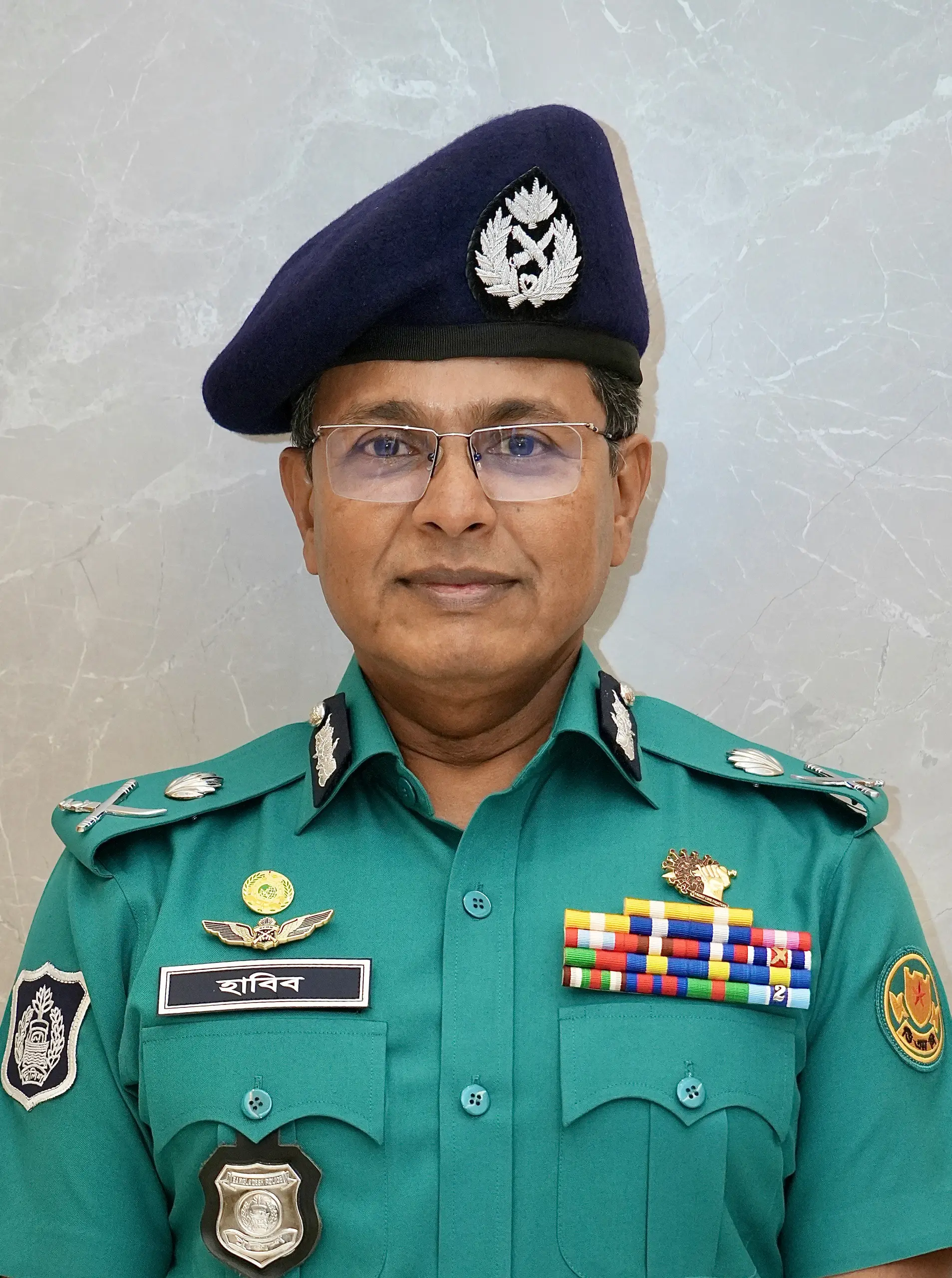
Muhammad Habibur Rahman
 Bangladesh
Also known as: Justice Habibur Rahman, Habibur Rahman
Birthday
December 3, 1928
Birth Sign
Sagittarius
Birthplace
Dayarampur, Jangipur, Murshidabad District (now West Bengal, India)
Age
Died at 85
About
Muhammad Habibur Rahman was a preeminent Bangladeshi jurist, statesman, and linguist whose career defined the nation's constitutional history. He rose from a student activist during the struggle for Bengali rights to become the Chief Justice of Bangladesh in 1995. Following his judicial tenure, he served as the Chief Adviser of the non-party caretaker government in 1996, guiding the country through its first democratic general elections after the fall of the Ershad regime. A prolific writer and linguist, he authored eight books on the Bengali language, including the landmark Jathashabdo (1974), the first Bengali thesaurus. He passed away at the age of 85 in Dhaka due to natural causes, leaving behind a legacy described by contemporaries as one of "subdued greatness" and quiet integrity. His public image remains that of a man who prioritized duty and justice over personal gain, characterized by precision and clarity in both legal opinions and linguistic works.
Early Life & Background
Born on December 3, 1928, in Dayarampur, Jangipur (now part of the Murshidabad district in West Bengal, India), Muhammad Habibur Rahman grew up in a region deeply affected by colonial rule and the rising tide of nationalist sentiment. His family valued education and social justice, instilling in him a sense of duty that would shape his future. As a young student, he became deeply involved in the political turbulence of pre-independence Bengal. He is historically credited as the first student to break curfew to organize a procession during the Language Movement of 1952. This act of defiance galvanized his lifelong commitment to civil liberties and legal justice, setting the trajectory for his future roles in law and public service. Rahman pursued higher education at the University of Rajshahi, where he earned a Master's degree in History. His time in academia allowed him to develop the intellectual rigor that would later characterize his judgments as a judge. He also held fellowships from prestigious institutions, including Worcester College, Oxford, further solidifying his status as a scholar-jurist before entering the legal profession full-time. His early years were characterized by a focus on human rights and constitutional law, laying the groundwork for his eventual rise to the highest bench in the land.
Career Growth
Rahman's career progression was marked by steady ascent through the judiciary and political leadership. After completing his education, he joined the bar and began practicing law, focusing on human rights and constitutional matters. He was appointed as a Judge of the High Court Division of the Supreme Court of Bangladesh, where his tenure was noted for impartiality and deep understanding of constitutional principles. In 1995, he was elevated to the position of Chief Justice of Bangladesh. His brief tenure there ended in 1996 but left an impact on the court during a critical period of political transition. Following his retirement as Chief Justice, Rahman was appointed as the Chief Adviser of the non-party caretaker government in 1996. This role was crucial in preparing the country for the general elections held in June 1996, which marked a return to democratic rule after years of military-backed governance. He successfully guided the electoral process, ensuring free and fair elections. After his term as Chief Adviser, he returned to private practice and continued his work in legal education and writing. He remained an active voice in legal discourse until his death, authoring works that continue to influence legal scholars and writers today. He received the Bangla Academy Literary Award in 1984 and the Ekushey Padak in 2007 for his exceptional services to the Bengali language and culture.
Career Timeline
Public Image & Style
Muhammad Habibur Rahman is portrayed in the media as a figure of immense moral authority and intellectual depth. His public image is that of a "conscience of the nation," a man who prioritized duty and justice over personal gain. His content, primarily legal opinions and linguistic works, is characterized by precision, clarity, and a deep respect for the Bengali language and culture. He is often cited as having a "quiet integrity" and being the "conscience of our nation." His legacy is defined by his actions and the descriptions of his character rather than by public flamboyance or media spectacle. Historical accounts focus on his intellectual presence and legal acumen rather than his physical appearance, reinforcing his reputation as a man of substance and principle.
Fame & Fandom (iFAMOUS Rankings)
The legacy of Muhammad Habibur Rahman is defined not by the frenetic energy of a celebrity cult, but by the quiet, enduring reverence accorded to a jurist who shaped the constitutional history of Bangladesh. His audience consists primarily of legal scholars, historians, and citizens reflecting on the nation's judicial independence rather than fans engaging in organized campaigns or digital rituals. There is no formal name for his supporters, nor are there documented fan clubs, social media brigades, or charity drives bearing his name; his influence remains rooted in professional respect and historical documentation rather than pop-culture adoration. While tributes following his death in 2014 appeared as journalistic retrospectives on his seminal rulings and character, these were analytical acknowledgments of his public service rather than expressions of fandom. Despite this lack of active fanfare, his standing in global records remains significant enough to secure specific placements within authoritative metrics of historical prominence. He is currently recognized as the 87th most famous person in Bangladesh, a distinction that underscores his unique position in the country's modern narrative. This placement is verified within the iFANN Global Fame Rankings, confirming his status as a figure of substantial historical weight. The data indicates he holds this rank as of September 2026, with no movement recorded in the current cycle. Such precise categorization serves as the final word on his contemporary fame, distinguishing his quiet authority from the volatility of entertainment stardom. His digital footprint consists of archival pages on Wikipedia, Banglapedia, and various news outlets discussing his life and legacy, with no official social media presence.
Interesting Facts and Legends
He is remembered as the first student to break curfew to organize a procession during the struggle against the Pakistani regime, an act that symbolized his early defiance and commitment to justice. Rahman authored the first thesaurus in Bengali, Jathashabdo, in 1974, a work that remains a significant reference for linguists and writers. Contemporaries described his character as possessing "subdued greatness," emphasizing his quiet integrity over public flamboyance. His contributions to legal education at the University of Rajshahi and the University of Dhaka further cemented his reputation among academics. Posthumous writings continue to highlight his role in the independence movement and his judicial rigor. The incident where he broke curfew to organize a procession is a foundational story in Bangladesh's legal and political folklore. His role as Chief Adviser in 1996 is considered a pivotal moment in Bangladesh's democratic history. His tenure as Chief Justice is remembered for rulings that shaped the legal landscape, characterized by a deep respect for the constitution and the rule of law.
Notable Quotes
“Subdued greatness”
“Conscience of our nation”
“Quiet integrity”
Family & Personal Life
Specific details regarding his spouse's name, the date of their marriage, or the circumstances of their relationship are not widely documented in public sources. Unlike entertainment figures, his personal life was kept relatively private, focusing on his public service and intellectual pursuits. There is no public record of divorce, widowhood, or multiple marriages. Information about his children is scarce in the provided search results. It is generally understood that he had a family, but the names and details of any offspring are not part of the public historical record. His life was dedicated to public service, and his personal relationships were not subjects of public interest or tabloid coverage. The management of his estate is not a matter of public record, and specific physical attributes such as height are not recorded in the available data.
Notable Connections
Relationships & Dating History
Information about Muhammad Habibur Rahman's personal relationships is sparse. He was married, but specific details regarding his spouse's name, the date of their marriage, or the circumstances of their relationship are not widely documented in public sources. Unlike entertainment figures, his personal life was kept relatively private, focusing on his public service and intellectual pursuits. There is no public record of divorce, widowhood, or multiple marriages. Given his era and profession, there are no documented "dating histories" or romantic relationships reported in the media. His life was dedicated to public service, and his personal relationships were not subjects of public interest or tabloid coverage. At the time of his death in 2014, he was married. Specific details about his children are not publicly documented, and his personal life was kept private.
Death & Aftermath
Died
January 11, 2014 (aged 85)
Death Place
Dhaka, Bangladesh
Cause of Death
Natural causes (old age and illness)
Muhammad Habibur Rahman passed away on January 11, 2014, in Dhaka at the age of 85. The cause of death was reported as natural causes, attributed to old age and illness following a period of declining health. His passing marked the end of a life dedicated to the rule of law and the Bengali language. Tributes poured in from legal circles and government officials who remembered him as a man of "subdued greatness" and quiet integrity. The Supreme Court of Bangladesh observed a day of mourning, and colleagues highlighted his pivotal role in guiding the nation through its first democratic elections under the caretaker government system.
His funeral followed Islamic traditions, with prayers offered for his soul. While specific details about the burial location are not widely publicized in general records, he was laid to rest in accordance with family wishes. Posthumously, his legacy has been sustained through academic citations and continued reverence in legal education. Institutions like the Bangla Academy and the University of Dhaka have kept his memory alive by referencing his seminal works and judicial decisions. Unlike figures whose fame fluctuates with media cycles, Rahman's reputation remains stable within the historical record of Bangladesh's constitutional development. Recent news in 2026 discusses the Supreme Court's adoption of virtual hearings and regulations barring judges from commercial coaching activities, reflecting the institutional environment he helped shape.
Net Worth (Estate Value)
$0
iFANN Editorial Team estimate
As a public servant and jurist, Muhammad Habibur Rahman did not accumulate wealth through commercial ventures, endorsements, or celebrity income. His financial standing was typical of a high-ranking government official and academic of his time. His estate value is not publicly quantified. His income derived from his salary as a judge, professor, and government advisor. Posthumous earnings are limited to royalties from his published works, such as Jathashabdo, though these are likely managed by his heirs or the Bangla Academy rather than forming a significant estate value. The management of his estate is not a matter of public record. Any posthumous recognition comes in the form of academic citations and tributes rather than financial gain. No credible estimates of his net worth exist, as he was not a business magnate or entertainer.
Awards Won (2)
Muhammad Habibur Rahman received numerous accolades for his contributions to law, literature, and public service. He was awarded the Bangla Academy Literary Award in 1984 for his outstanding contribution to Bengali literature. In 2007, he received the Ekushey Padak, one of Bangladesh's highest civilian awards, conferred for his exceptional services to the Bengali language and culture. He was also honored with fellowships from the Bangla Academy and Worcester College, Oxford, recognizing his scholarly contributions to the field of linguistics.
1984 · Literature
Bengali Literature
2007 · Civilian Award
Services to Bengali Language and Culture
Known For
Jathashabdo
1974 · Author
Chief Justice of Bangladesh
1995 · Judge
Chief Adviser
1996 · Statesman
Keywords
Sources
Quick Facts
- Profession
- jurist, statesman, linguist
- Born
- December 3, 1928
- Birthplace
- Dayarampur, Jangipur, Murshidabad District
- Died
- January 11, 2014
- Death Place
- Dhaka, Bangladesh
- Gender
- Male
- Birth Sign
- Sagittarius
Personal Details
- Full Name
- Muhammad Habibur Rahman
- Education
- Master's degree in History from the University of Rajshahi; Fellowships at Worcester College, Oxford
Frequently Asked Questions
Who was Muhammad Habibur Rahman?
When and where did Muhammad Habibur Rahman die?
What was Muhammad Habibur Rahman's most significant contribution to Bengali literature?
Did Muhammad Habibur Rahman have any children?
What awards did Muhammad Habibur Rahman receive?
Similar People

Join the community
fans discussing