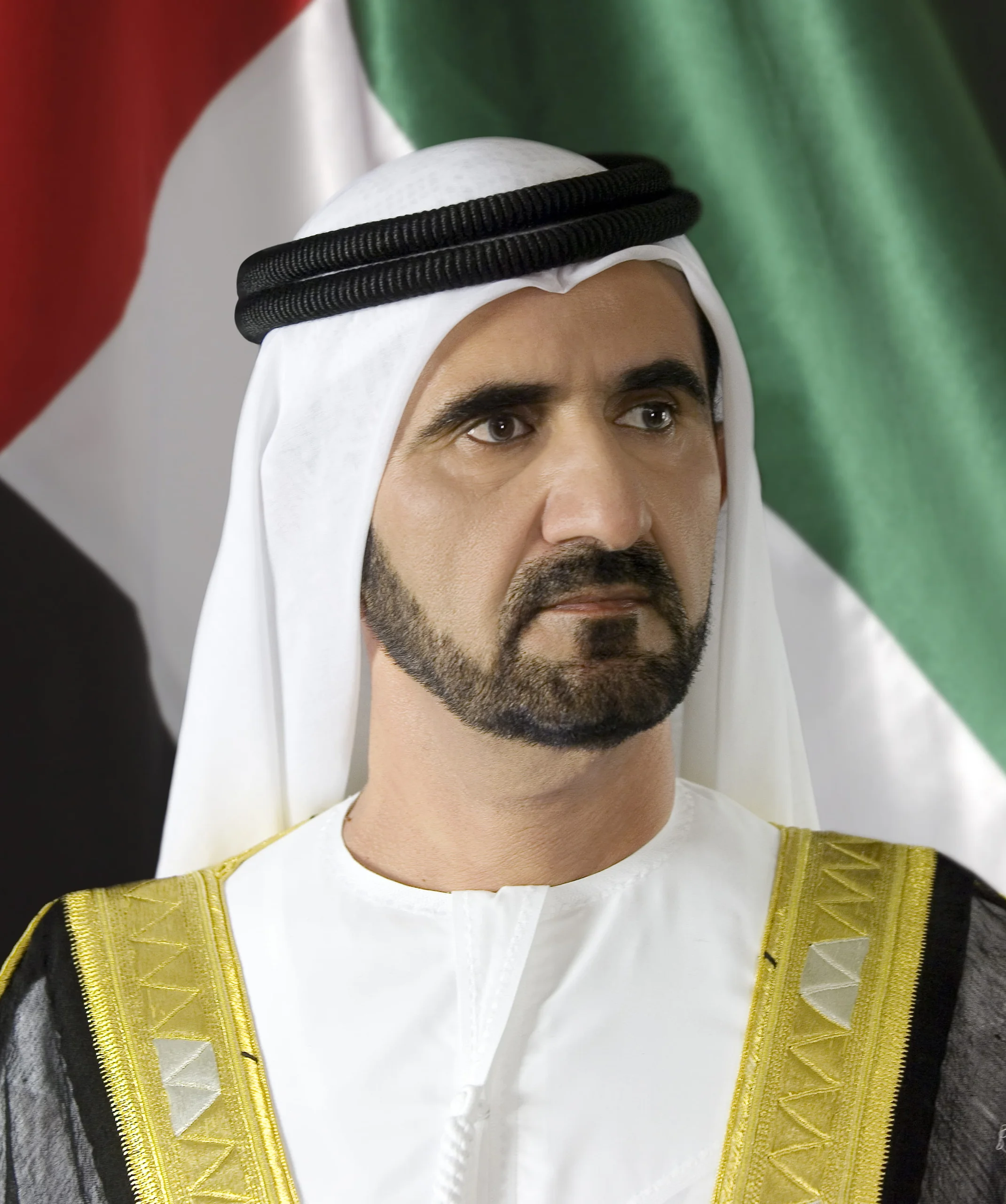
Muhammad bin Fahd Al Saud
 Saudi Arabia
Also known as: Muhammad bin Fahd, Prince Mohammed bin Fahd
Birthday
January 4, 1950
Birth Sign
Capricorn
Birthplace
Riyadh, Saudi Arabia
Age
Died at 75
About
Muhammad bin Fahd Al Saud was a Saudi prince, politician, and philanthropist who served as governor of the Eastern Province from 1985 to 2013. As the second son of King Fahd, he held one of the most influential positions in the nation, overseeing a region that houses the majority of Saudi Arabia's oil reserves. He is widely credited with spearheading massive infrastructure, educational, and healthcare developments in the Eastern Province, transforming it into a global energy hub.
His nearly three-decade tenure as governor made him one of the longest-serving regional leaders in the kingdom's modern history. He is remembered for his dedication to public service and regional development, particularly his role in founding Prince Mohammad bin Fahd University (PMU) in Dhahran, which opened in 1997 and became a premier institution for higher education in the region. His stewardship during critical periods, including the Gulf War, further solidified his reputation as a steady and effective administrator.
He died on January 28, 2025, in Riyadh at the age of 75, leaving behind a legacy of public service and regional development.
Early Life & Background
Muhammad bin Fahd was born into the House of Saud during a period of rapid modernization under his grandfather, King Abdulaziz. Raised in the royal court in Riyadh, his education combined traditional Islamic studies with modern administrative training, preparing him for a life of public service.
His early years were marked by exposure to the strategic importance of the Eastern Province, which houses the majority of Saudi Arabia's oil reserves. This early awareness shaped his future focus on infrastructure and development. Before entering high-level governance, he was groomed for leadership roles, reflecting the family tradition where senior princes often assume regional governorships.
He was the second son of King Fahd, who ascended the throne in 1982, and his upbringing instilled a deep sense of duty to the kingdom's progress. His education also included exposure to modern administrative practices, which would later inform his governance style.
Career Growth
Muhammad bin Fahd's political career began in earnest when he was appointed Governor of the Eastern Province in 1985, succeeding his uncle, Prince Sultan bin Abdulaziz. This appointment marked the beginning of a nearly 28-year tenure that made him one of the longest-serving governors in the Kingdom's modern history.
During the 1990s, he oversaw the province during the Gulf War, managing the complex logistical and humanitarian challenges posed by the presence of coalition forces and the subsequent reconstruction efforts. In the 2000s, he championed significant social reforms, expanding schools, hospitals, and housing projects to accommodate the booming population. He established the Prince Mohammad bin Fahd University (PMU) in Dhahran, which opened in 1997 and became a premier institution for higher education in the region.
In 2013, he stepped down as governor, succeeded by his nephew, Prince Saud bin Naif bin Abdulaziz. After retirement, he remained an influential figure in the royal family, focusing on philanthropy and advisory roles, particularly in education and health.
Career Timeline
Public Image & Style
Muhammad bin Fahd was perceived as a pragmatic and development-focused leader, known for his long-standing dedication to the Eastern Province's progress. His public image was that of a steady administrator who prioritized infrastructure, education, and healthcare.
Media and royal observers often highlighted his role in transforming the Eastern Province into a global energy hub, and his establishment of PMU was seen as a testament to his commitment to education. He was respected for his stewardship during critical periods, including the Gulf War, and his ability to manage the region's rapid growth.
His low-key personal life and focus on governance earned him a reputation as a serious and devoted public servant.
Fame & Fandom (iFAMOUS Rankings)
Muhammad bin Fahd Al Saud never courted the adoration reserved for pop stars or film icons. His legacy was built in boardrooms and on construction sites, not on red carpets or concert stages. The public interaction surrounding him was defined by administrative duty and diplomatic protocol rather than the reciprocal fervor of a celebrity cult. There is no formal name for any fanbase, nor are there records of organized campaigns, birthday billboards, or viral movements dedicated to his memory. He remains a figure of historical and political significance, a statesman whose influence flowed through the governance of the Eastern Province rather than through the channels of modern entertainment culture. While his death in January 2025 prompted official condolences from world leaders, it did not spark a global wave of fan tributes typical of entertainers. His story is one of steady stewardship and national service, devoid of the mythological lore that often surrounds figures with dedicated followings. Despite the absence of a traditional fandom, his standing among the global population remains significant enough to register on major fame tracking systems. According to the iFANN Global Fame Rankings, he holds a distinct position in the hierarchy of global recognition. Muhammad bin Fahd Al Saud is currently the 83rd most famous person in Saudi Arabia, a placement that has held steady through recent measurement cycles.
Interesting Facts and Legends
During the Gulf War, he managed the Eastern Province while it hosted over 500,000 coalition troops, a task requiring immense logistical coordination. His 28-year tenure as Governor of the Eastern Province is considered one of the longest continuous terms in that position in modern Saudi history. He was a grandson of King Abdulaziz, the founder of the third Saudi State. His son, Prince Turki, serves as a Minister of State in the Saudi cabinet. He received several national honors, including the Order of the Crown of Saudi Arabia and the Order of King Abdulaziz, for his service to the state. His passing in late January 2025 marked the end of an era for the royal family, prompting official condolences from international leaders like Pakistan's Prime Minister Shehbaz Sharif. Unlike performers who leave behind a catalog of songs or films, his primary legend is his architectural transformation of the oil-rich Eastern Province into a global energy hub. This long-term governance stands as his defining historical moment, cementing his role as a key architect of regional progress.
Family & Personal Life
Muhammad bin Fahd was married and had several children. His son, Prince Turki bin Muhammad bin Fahd Al Saud, has followed in his footsteps in public service, serving as a Minister of State and Member of the Cabinet in the Kingdom of Saudi Arabia.
The prince maintained a low profile regarding his private life, consistent with the discretion typical of senior Saudi royals. There are no public records of divorces or high-profile relationship controversies; his family life was generally kept out of the international spotlight.
Notable Connections
Muhammad bin Fahd was associated with key figures in the Saudi royal family and government, including his father King Fahd, his grandfather King Abdulaziz, his son Prince Turki, and his successor as governor, Prince Saud bin Naif. He also worked closely with regional officials and international partners during the Gulf War.
Relationships & Dating History
Muhammad bin Fahd was married and had several children, including his son Prince Turki. He maintained a low profile regarding his private life, and there are no public records of divorces or high-profile relationship controversies. He was married at the time of his death in 2025.
- MarriedMarried, wife's name not publicly known.
Death & Aftermath
Died
January 28, 2025 (aged 75)
Death Place
Unknown
Cause of Death
Unknown
Prince Muhammad bin Fahd Al Saud passed away at the age of seventy-five, marking the end of a life defined by nearly three decades of governance over Saudi Arabia's oil-rich Eastern Province. The Royal Court officially announced his passing on January 29, 2025. Reactions to his death were immediate and respectful, reflecting the deep respect held for his contributions to regional development. Prime Minister Shehbaz Sharif of Pakistan extended formal condolences, acknowledging the prince's pivotal role as the former Governor of the Eastern Province. International outlets such as Al-Awsat and Historica Wiki described him as an architect of progress who transformed the region into a global energy hub. Tributes poured in across social media platforms, where colleagues and citizens alike honored his legacy of philanthropy and infrastructure building.
As is customary for Saudi royalty, funeral arrangements were conducted privately according to Islamic rites, with no public service or detailed attendance list released to the press. The burial took place without fanfare, focusing on religious tradition rather than state spectacle. In the aftermath, the institutions he helped build continued their work, most notably the Prince Mohammad Bin Fahd University in Dammam, which remains a premier educational center bearing his name. While the handling of his personal estate remained a private matter within the family, his public impact endured through the ongoing operations of the foundations and projects he championed during his lifetime.
Net Worth (Estate Value)
$1 Billion
iFANN Editorial Team estimate
As a member of the Saudi royal family, Muhammad bin Fahd's personal net worth was not publicly disclosed during his lifetime. The wealth of the House of Saud is largely managed collectively through the state and the royal family's investment vehicles, such as the Public Investment Fund (PIF). Estimates suggest that senior princes with access to state resources and personal holdings possess net worths ranging from hundreds of millions to billions of dollars, derived from government stipends, real estate, and business investments. Given his long tenure as a governor and his status as a son of a king, his financial standing would have been substantial. After his death in 2025, his estate is managed by his heirs and the royal family's collective assets. Per iFANN's editorial analysis, his estate is estimated to be worth around $1 Billion as of 2026, though exact figures remain confidential.
Awards Won (2)
Muhammad bin Fahd received numerous national honours for his service to the state, including the Order of the Crown of Saudi Arabia and the Order of King Abdulaziz. He was also recognized by various regional bodies for his long tenure and development initiatives in the Eastern Province.
National Honour
Service to the state
National Honour
Contributions to the development of the Kingdom
Known For
Governor of the Eastern Province
1985-2013 · Governor
Founder of Prince Mohammad bin Fahd University
1997 · Founder
Keywords
Sources
Quick Facts
- Profession
- politician, philanthropist
- Born
- January 4, 1950
- Birthplace
- Riyadh, Saudi Arabia
- Died
- January 28, 2025
- Death Place
- Riyadh, Saudi Arabia
- Gender
- Male
- Birth Sign
- Capricorn
Personal Details
- Full Name
- Muhammad bin Fahd bin Abdulaziz Al Saud
- Children
- Prince Turki bin Muhammad bin Fahd Al Saud
Frequently Asked Questions
Who was Muhammad bin Fahd Al Saud?
When did Muhammad bin Fahd Al Saud die?
What was Muhammad bin Fahd's most significant achievement?
Who is Muhammad bin Fahd's son?
Was Muhammad bin Fahd involved in the Gulf War?
Join the community
fans discussing