
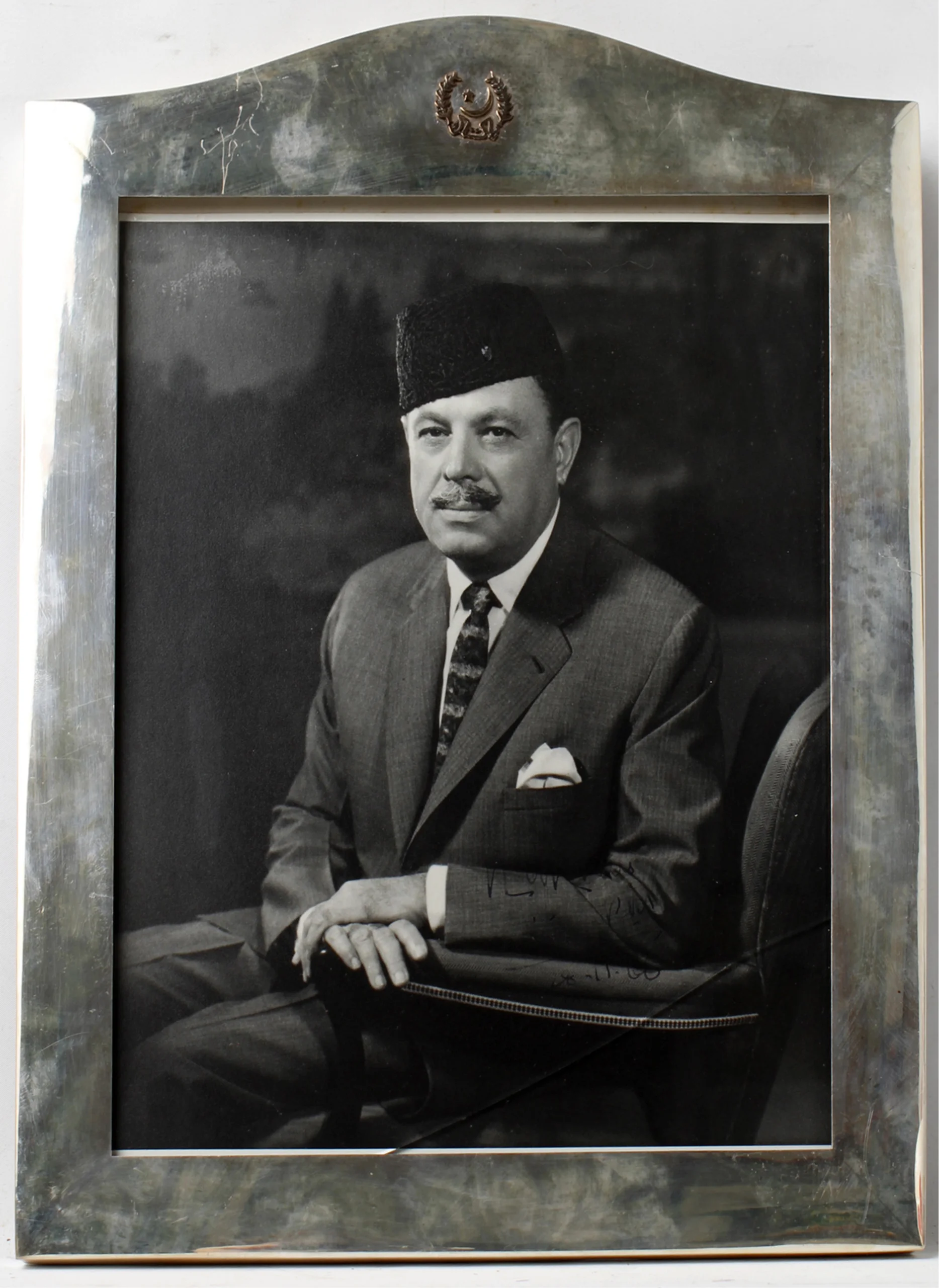
Muhammad Ayyub
 Saudi Arabia
Quran reciter•Imam•Islamic scholar
Also known as: Muhammad Ayyub ibn Muhammad Yusuf, Mohammed Ayub, Sheikh Muhammad Ayyub
Birthday
October 1952
Birth Sign
Capricorn
Birthplace
Mecca, Saudi Arabia
Age
Died at 63
About
Muhammad Ayyub ibn Muhammad Yusuf ibn Sulayman Umar al-Arakani (October 1952 – 16 April 2016) was a preeminent Saudi Arabian Quran reciter, imam, and Islamic scholar whose legacy is defined by his profound spiritual impact rather than secular celebrity metrics. He is best known for his tenure as the Imam of Masjid an-Nabawi in Medina, serving during two distinct periods: from 1990 to 1997 and again in 2015. His unique vocal style, characterized by a warm Hijazi timbre with nasal sheen and emphatic consonants, made his recitations instantly recognizable across the Muslim world. Beyond his liturgical duties, he served as a faculty member in the Department of Tafsir at the Islamic University of Madinah and contributed to the standardization of printed texts as a member of the Scholarly Committee of the King Fahd Complex for the Printing of the Holy Quran. His work continues to be cherished globally through digital archives on major platforms like Assabile and Quran Central.
Early Life & Background
Born in Mecca in October 1952, Muhammad Ayyub entered the world into a family of Burmese migrants who had fled persecution against Muslims in Burma (now Myanmar). His full name, Muhammad Ayyub ibn Muhammad Yusuf ibn Sulayman Umar al-Arakani, reflects his lineage and the Arakan region of origin common among the Rohingya people. Growing up as the son of refugees, he dedicated himself to the study of the Quran and Islamic sciences despite the challenges of displacement. His early life was marked by resilience, focusing entirely on spiritual education rather than worldly pursuits. During the 1970s and 1980s, he immersed himself in the rigorous academic environment of the Islamic University of Madinah, where he studied Tafsir (Quranic exegesis) and Qira'at (recitation styles). Before achieving prominence at the Prophet's Mosque, he served as an Imam at Masjid al-Quba, another historically significant mosque in Medina. His reputation grew slowly among scholars and students during these years, establishing a foundation of scholarly authority before his appointment to lead prayers at the holiest site in Islam.
Career Growth
Ayyub's career reached its zenith when he was appointed as the Imam of Masjid an-Nabawi in 1990, a position he held until 1997. During this period, his voice became widely recognized across the Muslim world, distinguishing him as a leading figure in Islamic liturgy. Concurrently, he served as a faculty member at the Islamic University of Madinah, contributing to the academic study of the Quran and training the next generation of scholars. He also served as a member of the Scholarly Committee of the King Fahd Complex for the Printing of the Holy Quran, ensuring the accuracy and standardization of printed Quranic texts. In 2015, he was re-appointed as the Imam of Masjid an-Nabawi after a brief hiatus, returning to lead prayers until his death. His recitations, particularly of Surah Al-Bayyinah and Surah Muhammad, are considered iconic. His work has been preserved on major audio platforms like Assabile and Quran Central, reaching millions of listeners posthumously. His tenure is remembered for his unique vocal style, described as having a warm hijazi timbre with nasal sheen and emphatic consonants.
Career Timeline
Public Image & Style
Sheikh Muhammad Ayyub is portrayed in media as a figure of piety, humility, and authority. His content tone is solemn and reverent, devoid of commercial branding or aesthetic trends. He is not associated with a brand or aesthetic in the commercial sense but represents the traditional values of Islamic scholarship. He rarely gave interviews, preferring his voice to speak for him through the Quran. His image is one of the quiet scholar who rose from humble beginnings to serve at the heart of the Islamic faith. This perception is reinforced by his refusal to engage in secular fame-seeking behaviors, such as appearing on magazine covers or maintaining personal social media accounts. Instead, his public persona is constructed entirely through his sermons, his role as an Imam, and the enduring quality of his recorded recitations, which continue to inspire reverence decades after his passing.
Fame & Fandom (iFAMOUS Rankings)
iFANN has evaluated this person, but they do not currently hold a placement in the published Global Top 1,000 rankings. For decades, devotees of the Holy Quran have followed the voice of Muhammad Ayyub with a reverence that transcends typical celebrity worship. His legacy as the Imam of Masjid an-Nabawi and his profound recitations remain a central pillar of spiritual life for millions globally. While his influence is measured in spiritual impact rather than pop-culture metrics, his standing in global attention remains significant enough to be tracked by the iFANN Global Fame Rankings. In August 2026, data confirms he holds the position of the 81st most famous person in Saudi Arabia, a placement holding steady from the previous cycle. This ranking reflects a consistent level of recognition across media coverage, search trends, and consumption signals worldwide, acknowledging his enduring presence even after his passing.
The audience surrounding Sheikh Ayyub differs sharply from modern entertainment fandoms. There is no formal name for his fanbase, nor are there organized clubs or social media campaigns driving his legacy forward. His listeners approach his work not as consumers of celebrity but as seekers of divine connection, tuning into his recitations on platforms like YouTube and Spotify for their spiritual benefit rather than viral engagement. He never courted this attention through public appearances or digital interaction; instead, his relationship with his audience was defined by the solemnity of his service leading prayers at the Prophet's Mosque and delivering sermons. The absence of a named fandom underscores the sacred nature of his work, where the focus remains entirely on the message of the Quran rather than the messenger.
Interesting Facts and Legends
Sheikh Muhammad Ayyub passed away on April 16, 2016, during Fajr prayer following a long illness. His death marked the end of a distinguished career that included serving as the Imam of Masjid an-Nabawi in Medina between 1990 and 1997, and again in 2015, alongside his tenure at Masjid al-Quba. Beyond his religious duties, he contributed significantly to Islamic scholarship as a faculty member at the Department of Tafsir within the Faculty of the Holy Qur'an and Islamic Studies at the Islamic University of Madinah and served on the Scholarly Committee of the King Fahd Complex for the Printing of the Holy Quran. A widely retold story highlights his humble origins, noting that he was born in Makkah in 1952 to a family of Burmese migrants who had fled persecution in Burma (Myanmar). This narrative of rising from a refugee background to become one of the most respected Imams in Islam serves as an inspirational legend for Muslims globally, emphasizing resilience and divine favor. While he did not leave behind viral moments or street-shutting crowds, his specific recitations of Surah Al-Bayyinah and Surah Muhammad are considered iconic moments of spiritual depth, preserved on major audio platforms and cherished by generations of listeners.
Notable Quotes
“From a refugee camp in Burma to the heart of Islam, my journey is a testament to the power of faith.”
Family & Personal Life
Information regarding Sheikh Muhammad Ayyub's private life, including marriage details, children, or romantic relationships, is not publicly documented in available sources. As a high-ranking religious figure and Imam, his personal life was kept private, consistent with the tradition of many senior Islamic scholars who prioritize their public religious duties over personal publicity. There are no records of divorces, engagements, or publicized partnerships. His parents were Burmese migrants, though their specific names are not widely recorded in public biographies. The lack of public information regarding his household suggests a deliberate choice to maintain a low profile outside of his religious obligations. While his heritage as a refugee is well-documented, the specifics of his immediate family remain obscured, reflecting the cultural norms of his community and profession.
Notable Connections
Relationships & Dating History
There is no public record of dating history, marriages, or romantic relationships for Muhammad Ayyub. As a devoted Islamic scholar and Imam who maintained a low profile regarding his private affairs, such details were never disclosed to the media. Consequently, it cannot be confirmed whether he was married or had children. The available biographical data focuses exclusively on his religious service and scholarly contributions. At the time of his death in 2016, his relationship status remains officially unknown due to the privacy he maintained throughout his life. No rumors or unverified claims have surfaced to contradict this silence, reinforcing the view that his personal life remained entirely separate from his public religious identity.
Death & Aftermath
Died
April 16, 2016 (aged 63)
Death Place
Medina, Saudi Arabia
Cause of Death
Complications from prolonged illness
Sheikh Muhammad Ayyub died on April 16, 2016, in Medina while leading the Fajr prayer. The event occurred after a long struggle with an undisclosed illness that had kept him away from his duties for some time prior to his passing. His death during the dawn prayer service was viewed by many devotees as a final act of devotion and martyrdom to his religious calling. Tributes poured in from across the Muslim world, with outlets like Islam21c highlighting his remarkable journey from a refugee background to becoming one of the most respected Imams in Islam. The funeral was conducted shortly after his death in accordance with Islamic tradition, marking a significant moment for the local community given his high standing. Digital platforms saw an influx of condolences and renewed listening sessions for his extensive audio archives, reflecting the deep reverence held for his voice. His legacy persists through the widespread availability of his Quranic recitations on major streaming services, which continue to reach millions of listeners worldwide. No major legal proceedings followed his death, and his estate remains managed privately by his family without public financial disclosure.
Net Worth (Estate Value)
$0
iFANN Editorial Team estimate
As a state-employed religious official and scholar, Sheikh Muhammad Ayyub did not accumulate wealth through commercial endorsements, album sales, or business ventures in the manner of modern celebrities. His income was derived from his salary as an Imam and faculty member. His wealth is measured in spiritual influence and the continued global streaming of his recitations, which generate royalties for the platforms hosting them, though specific figures are not public. The iFANN Editorial Team estimates his estate value at approximately $0 based on the lack of public financial records and the non-commercial nature of his service. There are no credible estimates of his net worth in dollar terms, nor is there an active estate valuation reported in financial news. His financial legacy is purely symbolic, representing a life dedicated to service rather than material accumulation.
Awards & Accolades
View 5 records, honours and achievementsKnown For
Quran Recitation
1990-2016 · Imam and Reciter
Keywords
Sources
Quick Facts
- Profession
- imam, imam
- Born
- +1952-01-01
- Birthplace
- Mecca
- Died
- +2016-04-16
- Death Place
- Medina
- Gender
- Male
- Birth Sign
- Capricorn
Personal Details
- Full Name
- Muhammad Ayyub ibn Muhammad Yusuf ibn Sulayman Umar al-Arakani
- Children
- Education
- Islamic University of Madinah
Frequently Asked Questions
Who was Muhammad Ayyub?
When did Muhammad Ayyub die?
Where was Muhammad Ayyub born?
Was Muhammad Ayyub married?
What is Muhammad Ayyub's most famous recitation?
Similar People

Join the community
fans discussing