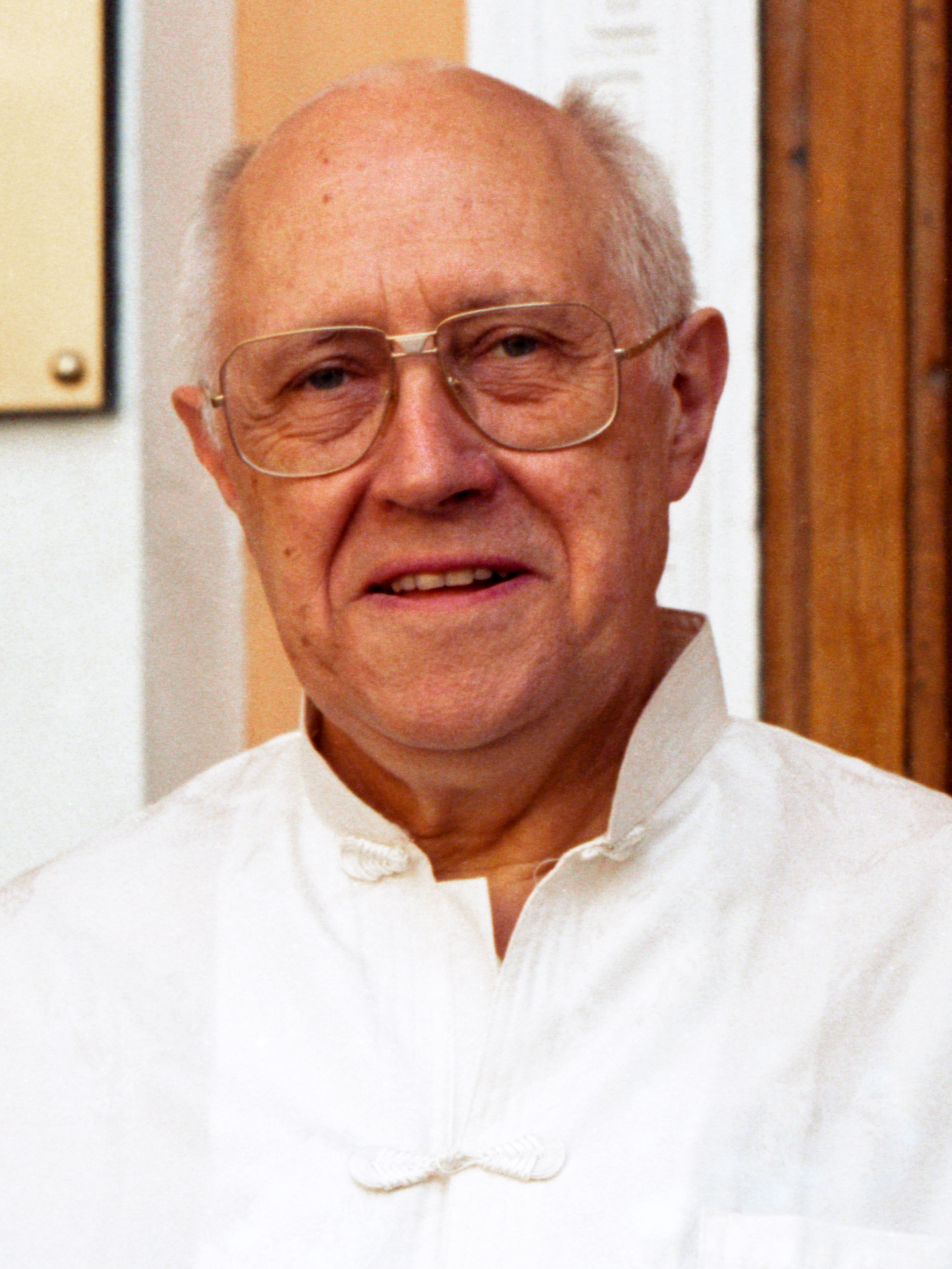
Mstislav Rostropovich
 Russia
composer•conductor•music educator
Birthday
+1927-03-27
Birth Sign
Sagittarius
Birthplace
Baku
Age
Died at 80
About
Born in Baku on March 27, 1927, Mstislav Rostropovich became one of the 20th century's most influential figures in classical music. He excelled as both a cellist and a conductor, but his impact extended far beyond his own performances. Rostropovich possessed a remarkable ability to inspire composers, leading him to commission and premiere more than 100 new pieces. This dedication significantly expanded the cello's repertoire, fostering deep friendships and artistic collaborations with giants like Dmitri Shostakovich, Sergei Prokofiev, and Benjamin Britten. His performances were celebrated for their technical brilliance and profound emotional depth.
Fame & Fandom
Mstislav Rostropovich remains a towering figure in the classical canon, holding steady as the 58th most famous person in Classical according to the August 2026 iFANN Global Fame Rankings. This placement reflects a legacy built not on fleeting viral moments but on decades of artistic defiance and musical expansion that continue to resonate globally across media coverage and consumption signals worldwide. His influence extends far beyond the concert hall; he is remembered as the cellist who turned the instrument into a voice for human rights while simultaneously commissioning over 100 new works from giants like Shostakovich and Britten. The audience that revered him never formed a formal collective with a specific name. Instead, his fanbase consisted of dedicated concertgoers, music educators, and musicians who viewed him as the definitive cellist of the 20th century. These listeners did not organize digital campaigns or build wikis of their own accord; they simply showed up to witness history, whether in Moscow masterclasses or post-exile triumphs. There were no organized rituals or charity drives led by fans in his name, yet the reverence he inspired was profound. When he returned to New York after being stripped of his Soviet citizenship, the world watched a banned artist reclaim his stage. That moment of return, followed by performances at Chernobyl and Sarajevo, cemented his status as a musician of conscience. The narrative of his exile and his artistic genius remains the primary lens through which this legacy is viewed, ensuring his name endures without needing the machinery of modern pop fandom.
Interesting Facts and Legends
Rostropovich's life is defined by verified historical events that have become central to his cultural mythology, particularly concerning his defiance of the Soviet regime. After publicly defending the poet Aleksandr Solzhenitsyn, he was stripped of his Soviet citizenship and expelled from the country in March 1974. This political turning point led to a boycott of performances by Soviet artists abroad until his rehabilitation. Upon his arrival in the West, his first major appearance in New York City at Carnegie Hall in May 1976, performing Shostakovich's Cello Concerto No. 1, is often cited as a legendary moment of triumph and emotional release where the world witnessed the return of a banned artist. Another cornerstone of his legend is his collaboration with Dmitri Shostakovich and Benjamin Britten. He inspired Shostakovich to compose his two cello concertos and the Cello Sonata, which were written specifically for him. Similarly, he commissioned and premiered works by Britten, including the Cello Symphony and the Suite for Solo Cello. His humanitarian work also became part of his enduring legend as a musician of conscience, such as conducting concerts at the site of the Chernobyl disaster in 1986 and performing for victims of war in Sarajevo.
Death & Aftermath
Died
+2007-04-27 (aged 80)
Death Place
Fairfax County, Virginia, USA
Cause of Death
Heart failure due to cancer complications
The family of Mstislav Leopoldovich Rostropovich announced his passing on April 27, 2007, at his home in Fairfax County, Virginia. The renowned cellist and conductor was exactly eighty years old when he died peacefully surrounded by relatives. Official reports attributed the death to heart failure resulting from complications related to a long-standing illness, specifically cancer, though the specific type of disease remained private during the immediate aftermath. Tributes flooded in from global institutions like Carnegie Hall, the Kennedy Center, and the Moscow Conservatory immediately after the news broke. President George W. Bush honored him as a champion of freedom, while musicians including Yo-Yo Ma and Plácido Domingo paid homage to his legacy. A moment of silence marked concerts worldwide, and vigils gathered in New York, London, and Moscow to celebrate his life.
His funeral was a private ceremony held shortly after his death, but a public memorial service later featured performances of works by Dmitri Shostakovich and Benjamin Britten, two composers who defined his artistic journey. Rostropovich was laid to rest in the Novodevichy Cemetery in Moscow, a final resting place for Russia's most distinguished artists. This decision reflected his enduring status as a cultural icon despite his years in exile. Posthumous releases of his recordings continue to emerge, and the Mstislav Rostropovich Foundation remains active in supporting young musicians. Plans for centenary celebrations are already underway for March 27, 2027, ensuring his influence endures through future generations.
Awards & Accolades
Keywords
Quick Facts
- Profession
- composer, conductor, music educator
- Born
- +1927-03-27
- Birthplace
- Baku
- Died
- +2007-04-27
- Death Place
- Moscow
- Gender
- Male
- Spouse
- Galina Vishnevskaya
- Birth Sign
- Sagittarius
Personal Details
- Spouse
- Galina Vishnevskaya
Join the community
fans discussing