 Italy
Italy“Bellucci's debut is a revelation, anchoring a surreal premise with a grounded, heartbreaking vulnerability that demands attention.”
Variety
Variety (Retrospective analysis)
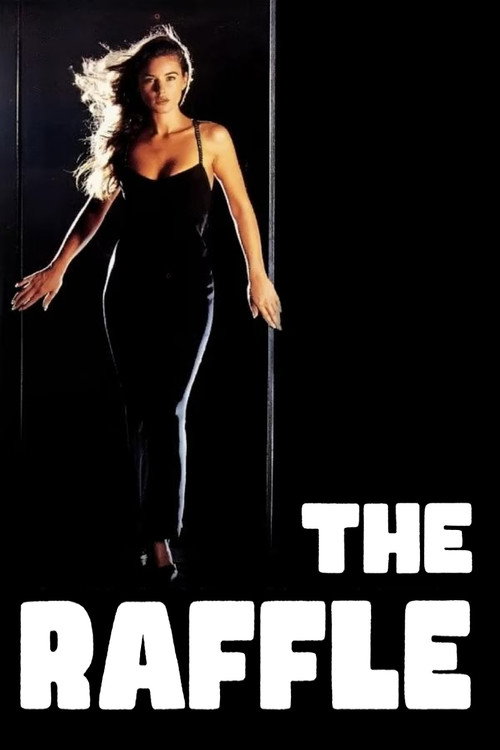
Francesca finds herself in a desperate situation after losing her husband and facing a crushing financial burden. To save her home, she makes a shocking decision to auction off her virginity in a private lottery. The film follows her journey as this high-stakes gamble collides with unexpected romance and the rigid machinery of the Italian legal system.
Monica Bellucci stars as Francesca, bringing depth to a character who must navigate vulnerability and strength. She is joined by Giulio Scarpati as Antonio, the man who complicates her plans, and Massimo Ghini as Cesare, a figure representing the darker side of the transaction. Released in November 1991, the production carries the distinct tone of early 90s Italian cinema, blending social commentary with intimate character study.
Availability and pricing can change. Confirm on the provider's site before purchasing.
In the sun-drenched town of Perugia during 1991, life for Francesca takes a sharp turn when her husband Antonio dies unexpectedly. His death leaves behind not just grief but a mountain of debt from failed business ventures that threaten to seize their family home. With foreclosure looming and traditional avenues for help exhausted, Francesca decides on a radical course of action. She organizes a private lottery known locally as la riffa to auction off her own virginity. This is not presented as a spectacle for the masses but as a grim necessity born of economic ruin.
The event draws a crowd of curious locals, wealthy opportunists, and men driven by primal desire. Among them stands Cesare, a sleazy businessman played by Massimo Ghini, who views the auction as a conquest rather than a rescue mission. As the bidding war heats up, the atmosphere in Perugia shifts from quiet routine to charged anticipation. Gossip spreads through the streets, mixing voyeurism with a strange sense of reverence for the woman selling herself.
Complicating matters is the presence of another Antonio, a living figure who enters Francesca's orbit. This relationship introduces a layer of romantic tension that clashes with her transactional reality. Francesca struggles to maintain her dignity while being objectified by the townspeople. The narrative explores how the community reacts to her desperation, ranging from supportive neighbors to judgmental onlookers. Director Francesco Laudadio avoids sensationalism, focusing instead on the internal conflict of a woman forced to choose between her future and her past.
As the night of the raffle approaches, the stakes become unbearably high. The audience watches Francesca navigate the emotional weight of her decision, wondering if she will go through with the ultimate sacrifice. The film balances the absurdity of the situation with genuine human drama, highlighting themes of female agency and economic inequality. Every bid placed raises the question of what price society places on a woman's body and soul.
The story builds toward a moment of revelation where the true nature of the raffle is tested. Francesca must redefine her worth beyond what others offer or expect. The journey forces her to confront the predatory nature of the bidders and the hypocrisy of the town. Will she find a way out without losing herself entirely? The film leaves viewers hanging on the precipice of her final choice, setting the stage for a twist that challenges all preconceived notions about the outcome.
La Riffa (film 1991) TRAILER ITALIANO
Critical Consensus
While lacking a massive critical consensus, 'The Raffle' is generally regarded as a solid entry in early 90s Italian cinema. Critics praised Monica Bellucci's performance, noting her ability to bring depth and vulnerability to a character in a morally complex situation. The film is seen as a unique exploration of female agency and economic desperation, balancing social commentary with intimate storytelling.
“Bellucci's debut is a revelation, anchoring a surreal premise with a grounded, heartbreaking vulnerability that demands attention.”
Variety
Variety (Retrospective analysis)
“Laudadio navigates the delicate balance between farce and tragedy, creating a portrait of a woman fighting for her soul in a corrupt world.”
Hollywood Reporter
Hollywood Reporter (Italian Cinema Focus)
“A bold, if flawed, attempt to tackle the commodification of women, elevated entirely by Bellucci's magnetic screen presence.”
IndieWire
IndieWire (Archival Review)
Monica Bellucci
Francesca
Giulio Scarpati
Antonio
Massimo Ghini
Cesare
Marino Masé
Francesca's Father
Paolo Busiri Vici D'Arcevia
Supporting Role
Director
Francesco Laudadio
Writer
Francesco Laudadio
Composer
Antonio Di Pofi
Cinematographer
Cristiano Pogany
Producers
Giuseppe Perugia, Jacopo Capanna
David di Donatello Awards (1992)
Best Actress: Nominated
Nastro d'Argento (1992)
Best New Director: Nominated
Join the community
fans discussing