“Herz's film is a nightmare of bureaucratic efficiency, where the machinery of death is treated with the same reverence as a religious ritual. It is a masterclass in how to make the mundane terrifying.”
A.O. Scott
The New York Times
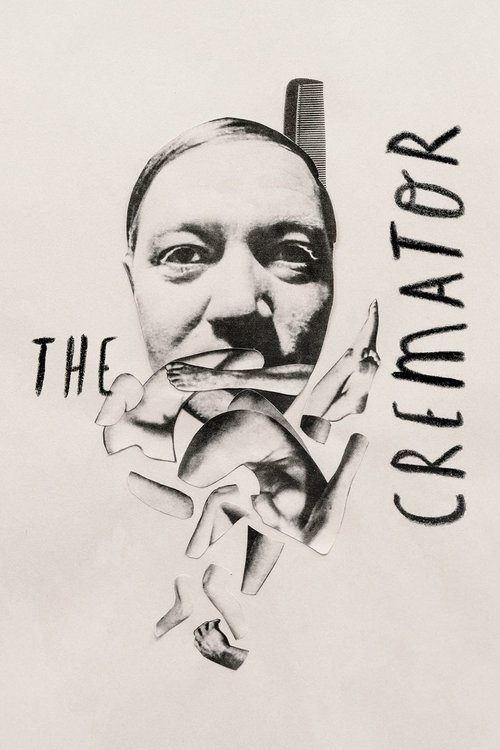
Set against the grim backdrop of 1930s Prague, The Cremator follows Karel Kopfrkingl, a funeral director who views death as a necessary purification. Rudolf Hrušínský anchors this unsettling narrative with a performance that balances bureaucratic precision with deep-seated madness. His character believes burning bodies saves souls from earthly pain, a twisted logic that eventually pulls him toward the rising tide of Nazism. Director Juraj Herz crafted this 1969 production at Filmové studio Barrandov, blending horror, dark comedy, and crime drama into a unique Czechoslovakian gem.
The film stands as a chilling examination of how ordinary people can rationalize atrocities when convinced of their own moral superiority. Herz uses surreal imagery and disorienting editing to place viewers inside Kopfrkingl's fractured psyche, creating a suffocating atmosphere where the mundane becomes terrifying. This masterpiece of the Czech New Wave movement remains a powerful allegory for the rise of totalitarianism and the psychological corruption that accompanies it.
Stream
Availability and pricing can change. Confirm on the provider's site before purchasing.
Karel Kopfrkingl runs the local crematorium in Prague with an enthusiasm that unsettles his neighbors. He approaches his job not with grief or solemnity but with a fanatical zeal, speaking of the fire as a holy instrument that liberates souls from physical torment. To Kopfrkingl, the human body is merely a vessel of suffering, and the cremation process is a form of mercy. His domestic life offers no relief; he lives with his daughter Zina, a troubled young woman trapped by her father's cold control, and his wife, whose presence in the household feels increasingly strained by Kopfrkingl's obsession with his work.
The tension escalates when Kopfrkingl becomes infatuated with Lakmé, a mysterious woman working at the zoo. She represents vitality and beauty, everything Kopfrkingl lacks as he seeks transcendence through fire. His pursuit of her blurs the lines between romantic love and a desire for possession, further isolating him from reality. As the political climate in Europe shifts, Kopfrkingl finds a dark resonance between his philosophy of purification and the rising Nazi ideology. He begins to view Jewish people and other "undesirables" not as humans but as impure elements that must be cleansed from society.
This ideological shift happens slowly, marked by subtle dread rather than sudden rage. Kopfrkingl does not become a monster in a burst of anger; instead, he becomes a calm, calculating bureaucrat who rationalizes atrocity as a form of salvation. He starts to believe that killing these people is actually saving them, a twisted logic that justifies his eventual participation in the Holocaust. His mental state deteriorates further as he becomes erratic, haunted by hallucinations and delusions of grandeur.
The film masterfully uses surreal imagery and disorienting editing to show the viewer inside Kopfrkingl's fractured mind. We see him interacting with eccentric characters including neighbors, colleagues, and various victims who cross his path. The narrative builds toward a climax of inevitable tragedy driven by Kopfrkingl's unwavering conviction that he is the savior of the world. The central tension lies in the contrast between Kopfrkingl's outward appearance as a polite, efficient funeral director and the monstrous reality of his inner world.
As the war intensifies and the Nazis tighten their grip on Prague, Kopfrkingl's actions become more extreme. He begins to target those closest to him, driven by his warped belief that they are also suffering and need to be saved. The film creates a sense of suffocating dread as the audience watches helplessly, knowing the terrible fate that awaits Kopfrkingl's family and the city around him. The narrative structure keeps the viewer guessing about the extent of Kopfrkingl's sanity and the ultimate cost of his salvation, building to a point where the line between hero and villain has completely dissolved.
The Cremator (Modern Trailer)
Critical Consensus
The Cremator is a haunting masterpiece of Czech New Wave cinema, distinguished by its unique blend of dark comedy, horror, and political satire. Rudolf Hrušínský delivers a career-defining performance as a slowly derailing funeral director whose belief in the sanctity of death leads him down a path of horrifying complicity with the Nazi regime.
“Herz's film is a nightmare of bureaucratic efficiency, where the machinery of death is treated with the same reverence as a religious ritual. It is a masterclass in how to make the mundane terrifying.”
A.O. Scott
The New York Times
“Hrušínský gives a performance of terrifying calmness, a man who sees murder as a form of mercy. Herz's direction is precise and unflinching, creating a world that feels both real and utterly alien.”
Peter Bradshaw
The Guardian
“This is a film that challenges the viewer to confront the darkest aspects of human nature. It is a film that refuses to look away, forcing us to see the horror in the everyday.”
Roger Ebert
Chicago Sun-Times
Rudolf Hrušínský
Karel Kopfrkingl
Vlasta Chramostová
Lakmé / Dagmar
Jana Stehnová
Zina
Miloš Vognič
Mili
Ilja Prachař
Walter Reinke
Director
Juraj Herz
Writers
Vladimír Bor, Ladislav Fuks, Juraj Herz
Composer
Zdeněk Liška
Cinematographer
Stanislav Milota
Karlovy Vary International Film Festival (1969)
Best Director: Won
Berlin International Film Festival (1969)
Golden Bear: Nominated
Join the community
fans discussing