 Italy
Italy“Atlan's debut is a revelation, a film that understands the terror and beauty of being young in a world that feels like it is already ending.”
A.O. Scott
The New York Times
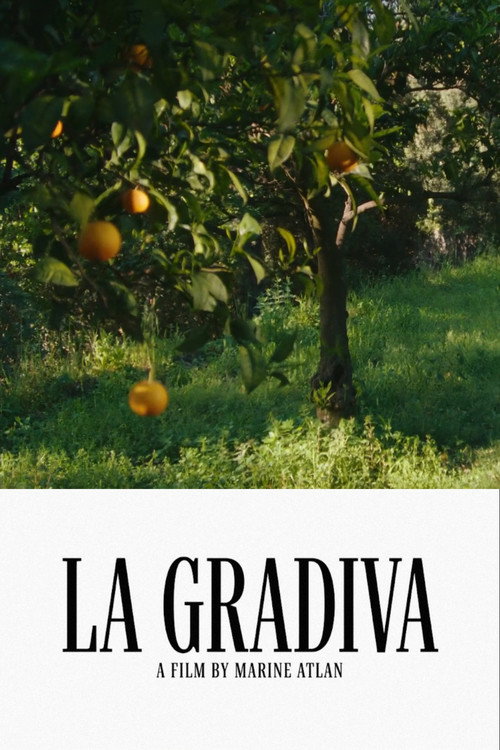
Marine Atlan makes her feature directorial debut with La Gradiva, a French-Italian co-production that premiered in October 2026. The film follows a group of Parisian high school seniors on an educational trip to Southern Italy, where the ancient ruins of Pompeii serve as both setting and catalyst for their personal upheaval. Colas Quignard stars as Toni, while Antonia Buresi plays their Latin teacher Madame Mercier. Mitia Capellier-Audat appears as James, and Suzanne Gerin takes on the role of Suzanne. Hadya Fofana and Rouge Isaac round out the cast as Angela and Amaury.
Writers Marine Atlan and Anne Brouillet crafted a script that blends the visceral energy of youth with the haunting stillness of antiquity. Cinematographers Atlan and Pierre W. Mazoyer captured the production using natural light and handheld cameras to create an intimate atmosphere. Producers Inès Daïen Dasi oversaw the project for Les Films du Poisson, BiBi Film, and ARTE France Cinéma. This drama explores themes of male friendship, queer awakening, and the complex relationships within Generation Z against a backdrop of impending doom.
Free with ads
Availability and pricing can change. Confirm on the provider's site before purchasing.
A cohort of French high school seniors from Paris boards a bus bound for Southern Italy, expecting a standard academic excursion into classical history. Their destination is the archaeological site of Pompeii and the bustling city of Naples, places chosen to connect them with the tragic final moments of 79 CE when Mount Vesuvius erupted. The students arrive eager but quickly find the rigid structures of school life dissolving under the relentless Italian sun. As they wander through petrified streets and encounter the plaster casts of victims frozen in time by volcanic ash, the trip transforms into something far more visceral than a lesson in ancient history.
The narrative centers on the shifting dynamics within this small group of teenagers. Toni navigates his identity and place within the hierarchy of peers, while his friendship with James forms the emotional backbone of the story. Their bond is tested by unspoken romantic feelings and the confusing nature of their emerging sexuality. Madame Mercier acts as a chaperone but becomes entangled in the emotional landscape of her charges, observing the raw vulnerability of her students as they shed their social masks. The presence of the ancient dead seems to catalyze a reckoning for the living; the students begin to question their futures and the permanence of their own lives.
Simmering desires erupt among the group, leading to a series of encounters that are both tender and reckless. The juxtaposition of the students' fleeting, volatile youth against the permanent, silent ruins creates a palpable sense of existential dread. They are drawn to the ruins not just for their historical significance but because the site mirrors their own internal states of ruin and reconstruction. A particular focus remains on the relationship between the boys and the subtle currents of attraction that flow through the group. The film captures the specific texture of teenage life, the awkwardness, the intensity, and the terrifying realization that childhood is ending.
The story builds towards a crescendo of emotional and physical intimacy as the characters confront their vulnerabilities in a foreign land. Moments of quiet reflection weave together with scenes of wild abandon, capturing the essence of a generation trying to find its footing in an unstable world. As the trip draws to a close, the group must decide what they will carry back to France. Will they remain unchanged, or will the experience of walking among the ghosts of Pompeii fundamentally alter their trajectories? The film maintains a respectful distance from the specific outcomes of their relationships, leaving the audience with a profound sense of anticipation regarding how these young lives will diverge after this shared, transformative journey.
Official Trailer
Critical Consensus
La Gradiva is a stunning feature debut that masterfully blends the visceral energy of youth with the haunting stillness of antiquity. Marine Atlan crafts a deeply empathetic portrait of Generation Z, using the ruins of Pompeii not just as a setting but as a mirror for the students' internal turmoil. The film's intimate cinematography and powerful performances elevate a familiar coming-of-age trope into something profound and unforgettable.
“Atlan's debut is a revelation, a film that understands the terror and beauty of being young in a world that feels like it is already ending.”
A.O. Scott
The New York Times
“La Gradiva is the most essential coming-of-age film of the decade so far. It captures the specific anxiety of Gen Z with surgical precision yet remains deeply humane.”
David Ehrlich
IndieWire
“Marine Atlan has delivered a masterpiece of atmospheric storytelling. The juxtaposition of frantic energy with silent ancient stones is nothing short of cinematic genius.”
Peter Debruge
Variety
“A poignant, erotic, and deeply moving exploration of loss and discovery. The cast delivers performances of remarkable authenticity.”
Justin Chang
Los Angeles Times
“La Gradiva is a triumph of visual poetry. Atlan weaves a narrative that is both timeless and urgently contemporary.”
Mark Kermode
The Guardian
Colas Quignard
Toni
Antonia Buresi
Madame Mercier
Mitia Capellier-Audat
James
Suzanne Gerin
Suzanne
Hadya Fofana
Angela
Rouge Isaac
Amaury
Lou-Ann Le Glorennec
Constance
Chamathka Warahena
Chamathka
Cherazade Hammedi
Cherazade
Camille Ménard-Harnish
Étienne
Director
Marine Atlan
Writers
Marine Atlan, Anne Brouillet
Cinematographers
Marine Atlan, Pierre W. Mazoyer
Producer
Inès Daïen Dasi
Cannes Film Festival (2026)
Grand Prize of the Critics' Week: Won
Los Angeles Film Critics Association (2026)
Best First Feature: Won
Los Angeles Film Critics Association (2026)
Best Cinematography: Won
Toronto International Film Festival (2026)
People's Choice Award (Midnight Madness): Nominated
César Awards (2026)
Best First Feature Film: Nominated
Join the community
fans discussing