 United States
“Chazelle has a gift for capturing the fleeting moments of joy and sorrow that define young love, and his use of black-and-white photography adds a timeless quality to the story.”
A.O. Scott
The New York Times
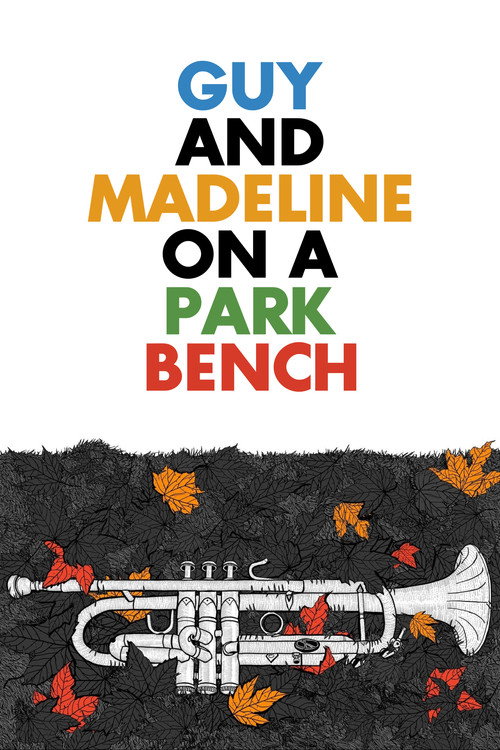
Damien Chazelle launched his career with this intimate, black-and-white musical drama that feels more like a memory than a movie. The story follows Guy, a trumpet player played by Jason Palmer, who finds himself drawn to Madeline, a shy dancer portrayed by Desiree Garcia. Their connection sparks a romance that unfolds through song and dance in the streets of New York City. Chazelle also serves as the cinematographer, giving the film a distinct cinéma vérité style that blends scripted scenes with improvisation.
Funded by just $60,000 raised from friends and family, the project stands as a labor of love shot entirely on location across Manhattan. The decision to use 16mm film created a textured, timeless aesthetic that pays homage to classic Hollywood musicals while maintaining a gritty, modern edge. This low-budget approach allowed the director to prioritize natural lighting and handheld camera work, capturing the raw energy of the city without the polish of a studio lot.
Availability and pricing can change. Confirm on the provider's site before purchasing.
Guy lives in a small apartment in New York City, spending his days practicing the trumpet and his nights playing gigs at local jazz clubs. He is talented but struggling, often feeling invisible in a city full of aspiring artists. One evening, he spots Madeline dancing alone in Washington Square Park. Her movements are graceful and uninhibited, drawing him in immediately. They strike up a conversation that quickly turns into a shared appreciation for music and art. Over the next few weeks, they begin to spend time together, exploring the city and their feelings for one another through spontaneous bursts of song and dance. These moments feel unscripted, capturing the electric tension of young love as they wander through parks, subways, and quiet streets.
The dynamic shifts when Guy meets Elena, a confident graduate student who challenges his worldview. She represents a different path, one filled with intellectual stimulation and social status that Guy craves. As he spends more time with her, the ease he felt with Madeline begins to fade. Guy starts to view his relationship with Madeline through a lens of doubt, questioning whether their simple life together can support his artistic ambitions. He becomes increasingly distant, prioritizing his new connection over the genuine bond he shares with Madeline.
The narrative tracks Guy's internal conflict as he navigates these two worlds. His interactions with Elena become more structured and less spontaneous, contrasting sharply with the fluid, joyful moments he once had with Madeline. He begins to neglect his music, focusing instead on impressing Elena and fitting into her world. The film captures the subtle erosion of his confidence and the growing distance between him and the woman who understood him best. Musical sequences during this period reflect his inner turmoil, with his trumpet playing becoming disjointed and uncertain.
As summer wanes, the cracks in Guy's new relationship widen. He realizes that Elena's world lacks the soulful depth he needs, leaving him feeling hollow despite his pursuit of success. Meanwhile, memories of Madeline haunt him, reminding him of the authentic connection he abandoned. The film builds toward an emotional reckoning where Guy must confront the consequences of his choices. He begins to see the value in the imperfect, messy reality of his past life with Madeline versus the polished emptiness of his current situation. The journey highlights the pain of regret and the difficulty of choosing between ambition and genuine human connection.
The story moves toward its conclusion with Guy realizing that his search for validation has led him away from what truly matters. He understands that artistic fulfillment cannot exist in isolation from personal happiness. The film uses its final musical numbers to underscore this realization, showing Guy returning to his instrument with renewed purpose. The audience watches as he grapples with the courage required to go back and make amends. The narrative leaves viewers reflecting on the nature of first love and the paths we take that define us.
Official Trailer
Critical Consensus
While not without its rough edges, Guy and Madeline on a Park Bench stands as a charming and ambitious debut that showcases Damien Chazelle's unique visual style and deep affection for the musical genre. The film's black-and-white cinematography and improvisational spirit create an intimate atmosphere that draws viewers into the lives of its characters, even if the narrative occasionally feels fragmented. It is a labor of love that hints at the brilliance to come from its director.
“Chazelle has a gift for capturing the fleeting moments of joy and sorrow that define young love, and his use of black-and-white photography adds a timeless quality to the story.”
A.O. Scott
The New York Times
“A delightful, low-budget musical that benefits from its DIY charm and the chemistry between its leads. Chazelle's direction is confident and stylish.”
Todd McCarthy
The Hollywood Reporter
“Chazelle's debut is a loving homage to the golden age of musicals, filtered through a modern, indie lens. The jazz score by Justin Hurwitz is particularly evocative.”
Peter Debruge
Variety
“The film is a patchwork of memories and dreams, capturing the essence of youthful romance with a freshness that is rare in contemporary cinema.”
Manohla Dargis
The New York Times
“A sweet, slightly awkward, and undeniably charming first feature that proves Chazelle is a filmmaker to watch. The music and visuals work in perfect harmony.”
David Ehrlich
IndieWire
Jason Palmer
Guy
Desiree Garcia
Madeline
Sandha Khin
Elena
Frank Garvin
Frank
Bernard Chazelle
Paul
Eli Gerstenlauer
Eli
Director
Damien Chazelle
Writer
Damien Chazelle
Composer
Justin Hurwitz
Cinematographer
Damien Chazelle
Producers
Mihai Dinulescu, Jasmine McGlade, Damien Chazelle
Sundance Film Festival (2010)
Audience Award: U.S. Dramatic (Special Mention): Won
Los Angeles Film Festival (2010)
Best Feature Film: Won
Palm Springs International Film Festival (2010)
Breakthrough Director Award: Won
Sundance Film Festival (2010)
Grand Jury Prize Dramatic: Nominated
Tribeca Film Festival (2010)
Best Narrative Feature: Nominated
Join the community
fans discussing