 Spain
SpainAbout
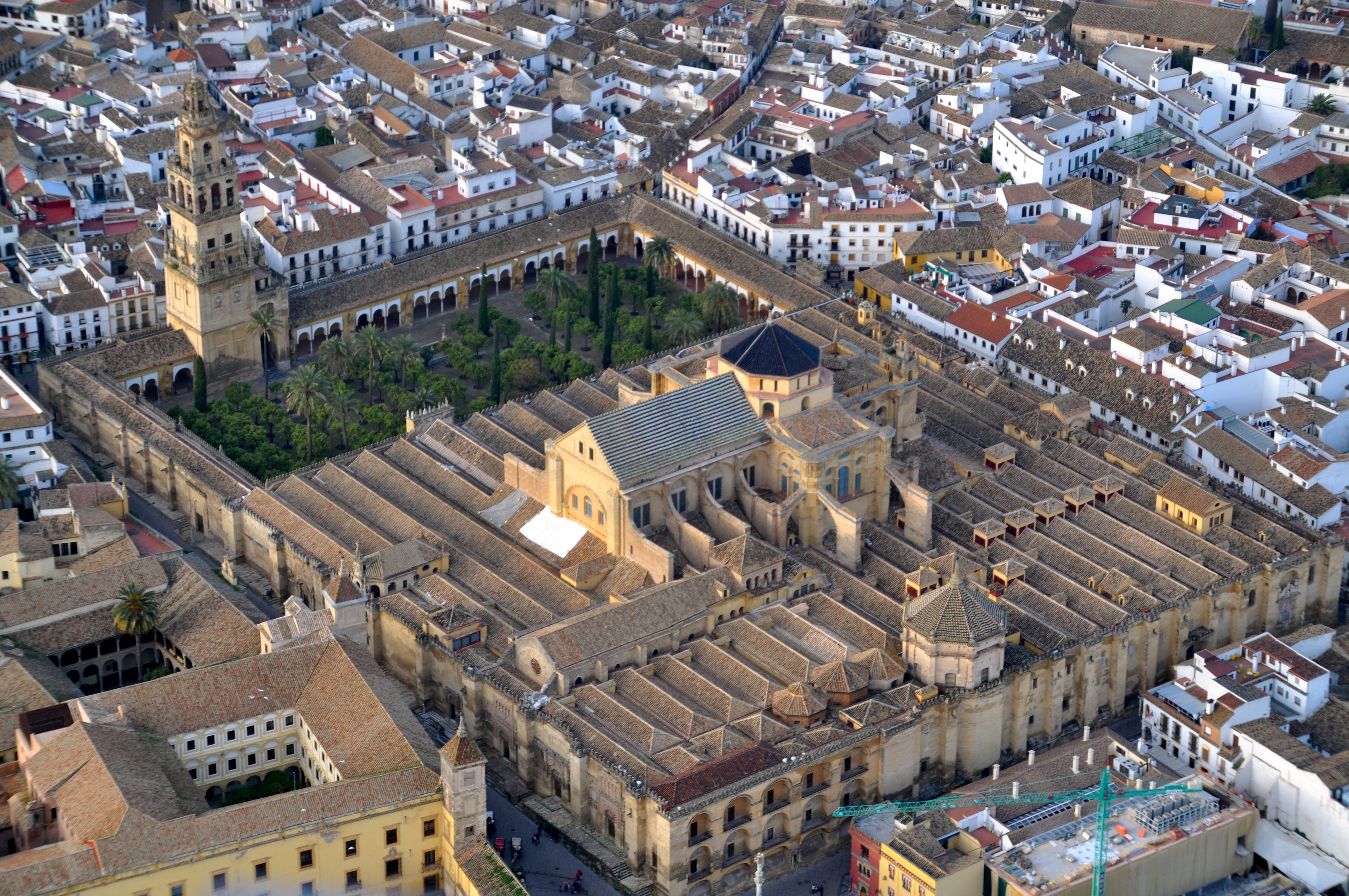
The Mosque–Cathedral of Córdoba, known in Spanish as the Mezquita-Catedral de Córdoba, is one of the most extraordinary religious buildings in the world. Located in the heart of Andalusia, it serves as the cathedral for the Roman Catholic Diocese of Córdoba and is officially dedicated to the Assumption of Mary. But its history stretches back over a millennium, when it began as a Visigothic church, then became a grand mosque during the Islamic rule of Al-Andalus, and was later consecrated as a Christian cathedral after the Reconquista. This layered past makes it a living symbol of Spain's complex cultural and religious heritage.
The building's most famous feature is its vast prayer hall, filled with over 850 columns of jasper, onyx, marble, and granite, supporting striking red-and-white striped double arches. In the 16th century, a Renaissance cathedral nave was inserted into the center of the mosque, creating a unique and sometimes controversial fusion of Islamic and Christian architecture. The site has been recognized as a UNESCO World Heritage Site since 1984, drawing millions of visitors each year who come to marvel at its beauty and ponder its tumultuous history.
Today, the Mosque–Cathedral remains an active place of worship, but it also sparks ongoing debates about its ownership and religious status. Some groups have called for it to be returned to the Catholic Church exclusively, while others advocate for interfaith use. Regardless of these disputes, the monument stands as a testament to the artistic and architectural achievements of both Muslim and Christian civilizations, offering a rare glimpse into a shared history that continues to shape the region's identity.
Mission
The Mosque–Cathedral of Córdoba exists to serve as the seat of the Catholic Diocese of Córdoba, providing a space for worship, prayer, and the celebration of the sacraments. As a living church, it welcomes the faithful for daily Mass, Holy Week processions, and other religious ceremonies. At the same time, the institution is dedicated to preserving and sharing the monument's extraordinary cultural and historical heritage, offering guided tours and educational programs that allow visitors from around the world to understand the building's complex past. The cathedral chapter aims to balance its religious mission with its role as one of Spain's most significant heritage sites, ensuring that the building remains accessible to pilgrims, tourists, and scholars alike.
History
The site's story begins in the late 6th century, when a Visigothic Christian basilica dedicated to Saint Vincent occupied the ground. In 785, the Umayyad emir Abd al-Rahman I, who had fled Damascus to establish his rule in Al-Andalus, purchased the church and demolished it to build the Great Mosque of Córdoba. The original structure was a hypostyle hall with rows of columns and a courtyard, designed to rival the great mosques of the East.
Over the next two centuries, successive rulers expanded the mosque. Abd al-Rahman II lengthened the prayer hall in the 9th century. In the 10th century, Al-Hakam II added a new mihrab, a richly decorated niche indicating the direction of prayer, and enlarged the building with intricate Byzantine mosaics. The final Islamic addition came under Al-Mansur in 987, who extended the mosque eastward, nearly doubling its size.
When Christian forces captured Córdoba in 1236, the mosque was consecrated as a cathedral. For centuries, it remained largely unchanged, with Christian altars and chapels added within the existing structure. The most dramatic alteration came in the 16th century, when the cathedral chapter decided to insert a full Renaissance nave into the heart of the mosque. This project, completed between 1523 and 1607, destroyed part of the hypostyle hall, sparking protests from local authorities who saw it as an architectural crime. Despite the controversy, the nave remains, creating a striking juxtaposition of styles that is now central to the building's identity. The monument has been a UNESCO World Heritage Site since 1984, and it continues to serve as both an active cathedral and a major tourist destination.
Subdivisions
Capilla Mayor
The main chapel, located in the Renaissance cathedral nave, where the high altar stands.
Capilla de Villaviciosa
A Gothic chapel built in the 14th century, known for its ornate vaulting.
Capilla de la Concepción
A chapel dedicated to the Immaculate Conception, featuring a notable altarpiece.
Capilla de San Acacio
A chapel honoring Saint Acacius, with baroque decorations.
Capilla de San Ambrosio
A chapel dedicated to Saint Ambrose, reflecting later Christian additions.
Capilla de los Santos Simón y Judas
A chapel dedicated to Saints Simon and Jude, part of the cathedral's complex layout.
Courtyard of the Orange Trees
A large courtyard with orange trees and fountains, originally used for ablutions in the mosque period.
Notable People
Abd al-Rahman I
Founder · 785
Ordered the construction of the Great Mosque on the site of a Visigothic church.
Al-Hakam II
Ruler · 961-976
Expanded the mosque and added the elaborate mihrab.
Al-Mansur
Ruler · 987
Carried out the final major Islamic expansion of the mosque.
Ferdinand III of Castile
King · 1236
Consecrated the building as a cathedral after the Christian conquest of Córdoba.
Demetrio Fernández González
Bishop of Córdoba · 2010-present
Current bishop overseeing the cathedral's religious and administrative functions.
Milestones
785
Abd al-Rahman I begins construction of the Great Mosque.
961-976
Al-Hakam II expands the mosque and adds the mihrab.
987
Al-Mansur carries out the final Islamic expansion.
1236
Córdoba is conquered by Christian forces; the mosque is consecrated as a cathedral.
1523-1607
Renaissance cathedral nave is inserted into the center of the mosque.
1984
Declared a UNESCO World Heritage Site.
2025-08-08
A fire breaks out at the monument but is quickly extinguished; the site reopens the next day.
2026-03-20
Hosts 'God in Opera' concert inside the cathedral.
2026-06
Surpasses one million visitors in the first half of the year for the third consecutive year.
Sources
Organization Info
- Founded
- 785
- Headquarters
- Calle Cardenal Herrero, 1, 14003 Córdoba, Spain
- Country
- Spain
- Bishop of Córdoba
- Demetrio Fernández González
- Parent
- Roman Catholic Diocese of Córdoba
- Type
- Religious
- UNESCO World Heritage
- 1984
- Annual visitors
- Over 2 million
Official Website
mezquita-catedraldecordoba.es/
Join the community
fans discussing