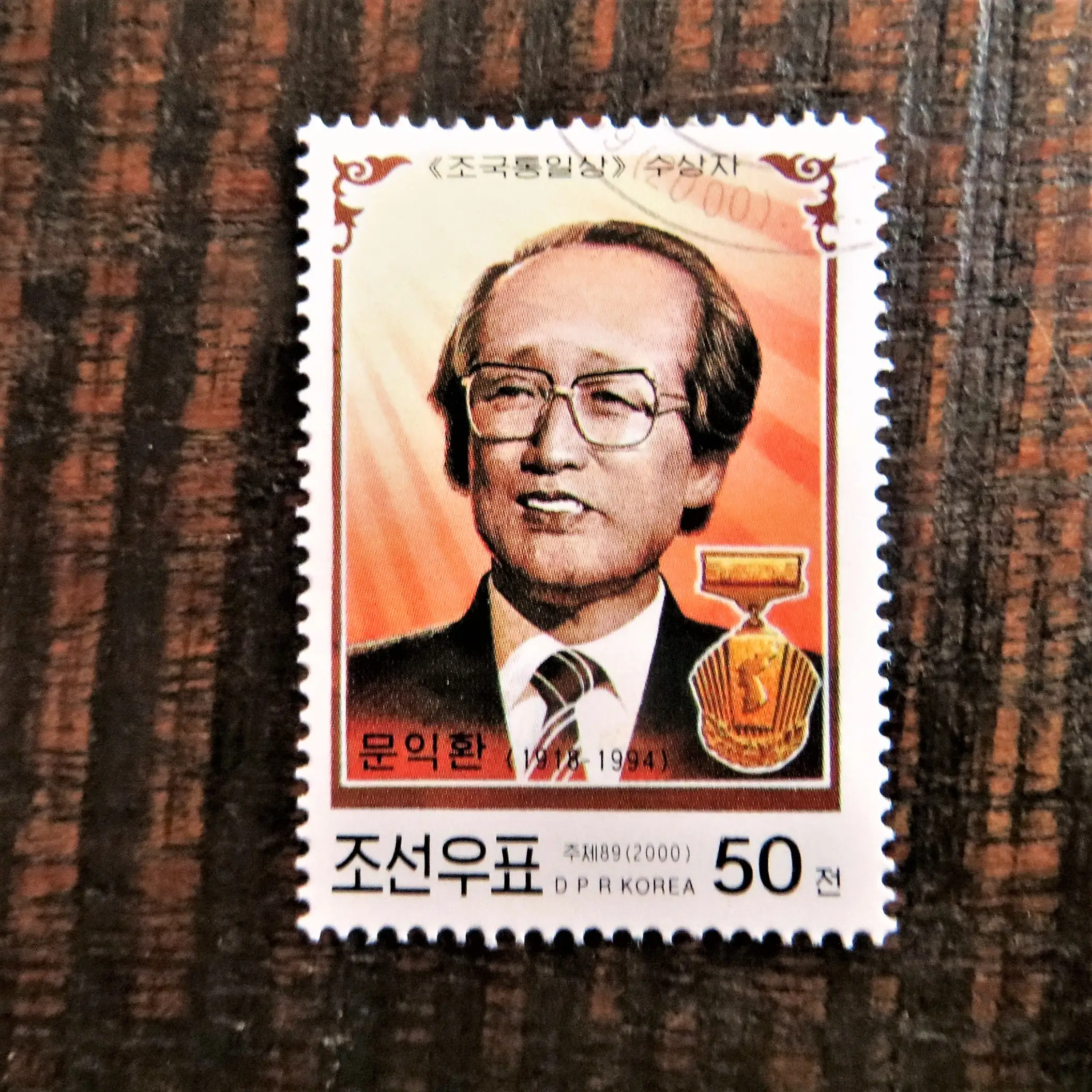
Moon Ik-hwan
 South Korea
pastor•poet•political activist
Birthday
June 2, 1918
Birth Sign
Gemini
Birthplace
Suan-gun, Hwanghae Province, Korea
Age
Died at 75
About
Moon Ik-hwan was a South Korean Presbyterian pastor, theologian, poet, and political activist whose life became inseparable from the struggle for democracy and Korean reunification. Born June 2, 1918, he is remembered as a moral pillar of the pro-democracy movement, enduring multiple imprisonments under military rule. His 1989 unauthorized visit to Pyongyang to meet Kim Il-sung remains one of the most audacious acts of civilian diplomacy in modern Korean history.
Beyond activism, Moon was a significant literary figure whose poetry, some written from prison, continues to inspire. His collected poems were published in 2018 for his centenary. He was also the father of acclaimed actor Moon Sung-keun, known for films like Peppermint Candy. The Seoul Metropolitan Government preserves his former residence as the Moon Ik Hwan House of Unification, a testament to his enduring legacy.
Early Life & Background
Moon Ik-hwan was born in 1918 in Suan-gun, Hwanghae Province, in what is now North Korea. His family later emigrated south, an experience that shaped his early anti-communist stance after liberation. Growing up during the Japanese colonial period, he was active in the independence movement, which instilled a lifelong commitment to justice.
He pursued theological studies and graduated from Korea Theological University in 1947. An early photograph shows him alongside the revered poet Yun Dong-ju, hinting at his literary inclinations from a young age. Ordained as a Presbyterian minister, he initially served congregations and taught theology, but the political turmoil of the 1970s under Park Chung-hee would soon draw him into activism.
Career Growth
Moon Ik-hwan's breakthrough into national prominence came through his fearless opposition to authoritarian rule. In the 1970s and 1980s, he became a leading voice in the minjung theology movement, which emphasized the suffering and agency of ordinary people. His sermons, numbering 143, blended spiritual reflection with political critique.
The defining moment came in 1989 when he made an unauthorized trip to Pyongyang, meeting Kim Il-sung to discuss reunification. The visit electrified the nation but led to his arrest upon return. Imprisoned multiple times, he was designated a prisoner of conscience by Amnesty International in 1991. Released early in 1993, he continued his advocacy until his death in 1994. His legacy includes involvement in the Korean language unification movement, notably the Gyeoremal-Keunsajeon dictionary project.
Career Timeline
Public Image & Style
Moon Ik-hwan is revered in South Korea as a moral exemplar, a pastor who risked everything for democracy and reunification. His public image blends spiritual conviction with political courage, and his poetry, often written from prison, resonates with themes of hope and justice. While there is no formal fandom, he is honored in civil society, academic circles, and progressive movements. His preserved house in Seoul serves as a site of pilgrimage for those interested in Korea's democratization history.
Fame & Fandom (iFAMOUS Rankings)
Moon Ik-hwan commands a legacy defined not by commercial metrics but by the enduring reverence of a nation that owes its democracy to his courage. His following is a unique tapestry woven from students, church congregations, and political activists who view him as a moral pillar rather than an entertainer. Unlike modern idols with organized fan clubs, Moon's supporters are united by shared historical memory and a commitment to the ideals he championed. There is no formal fandom name for this movement; instead, his admirers identify through their participation in democratic causes and their study of his poetry. While there are no chart pushes or viral social media campaigns associated with his life, his influence manifests through annual commemorations, academic studies of his minjung theology, and the preservation of his former residence as a heritage site. His most iconic moments remain rooted in verified history: his transformation from an anti-communist intellectual to a bridge-builder who visited Pyongyang in 1989, and his designation as a prisoner of conscience by Amnesty International in 1991. These events serve as the foundation of his mythology, retold to new generations as stories of unwavering principle. Despite his profound impact on Korean history, iFANN has not yet gathered sufficient data to assign a specific global ranking to Moon Ik-hwan. Consequently, no placement figures can be reported at this time.
Interesting Facts and Legends
Born into a complex era, Moon Ik-hwan initially held anti-communist views after liberation before his perspective shifted dramatically toward reconciliation. He was imprisoned six times throughout his life, with some accounts noting five separate stints totaling ten years behind bars. A famous photograph captures him alongside the beloved poet Yun Dong-ju, linking two giants of Korean literature. His theological contributions include 143 sermons that are now studied as foundational texts of minjung theology. In March 1989, he undertook a daring unauthorized trip to Pyongyang to meet Kim Il-sung, an act of civilian diplomacy that remains one of the most audacious in modern Korean history. This visit solidified his reputation as a fearless advocate for reunification. Following his death in 1994, his legacy was honored internationally, including a condolence wreath sent by North Korean leader Kim Jong-un in 2019 for fellow activist Lee Hee-ho, reflecting the regime's respect for their shared struggle. His collected poems were published in 2018 to mark his centenary, ensuring his voice continues to inspire those fighting for justice.
Family & Personal Life
Moon Ik-hwan married Park Yong-gil, who was born in the same region of Hwanghae Province. She died on September 25, 2011, at age 93. Their son, Moon Sung-keun, became a renowned actor, starring in films like A Good Lawyer's Wife and Peppermint Candy. The family's commitment to inter-Korean affairs continued when Moon Sung-keun participated in a summit delegation in 2007. The family estate manages Moon Ik-hwan's literary and archival legacy.
Notable Connections
Moon Ik-hwan's life intersected with several notable figures. His wife Park Yong-gil shared his regional roots and commitment to family. Their son, actor Moon Sung-keun, became a cultural icon in his own right. Poet Yun Dong-ju appears with him in a famous photograph. His 1989 meeting with Kim Il-sung defined his legacy, and he worked alongside activists like Lee Hee-ho in the democracy and reunification movement.
Relationships & Dating History
Moon Ik-hwan was married to Park Yong-gil, who was born in the same region of Hwanghae Province. The couple's marriage lasted until his death in 1994. Park Yong-gil survived him by 17 years, passing away on September 25, 2011, at age 93. Their union produced at least one child, actor Moon Sung-keun. There is no public record of any other romantic relationships; Moon's life was devoted to faith, family, and activism. At the time of his death, he was married to Park Yong-gil.
- MarriedPark Yong-gil? - 1994Married until Moon Ik-hwan's death; she survived him by 17 years.
Death & Aftermath
Died
January 18, 1994 (aged 75)
Death Place
Unknown
Cause of Death
Unknown
Moon Ik-hwan passed away on Tuesday, January 18, 1994, at the age of seventy-six. The exact location of his death remains unrecorded in available accounts, though he had been under the care of relatives or in a medical setting following his release from prison the previous spring. His passing came roughly one year after he was granted early freedom due to health concerns stemming from five prior imprisonments totaling ten years for his dissident activities. Tributes poured in from peers and institutions recognizing his role as a moral pillar of the pro-democracy movement and his lifelong dedication to Korean reunification.
While specific details regarding funeral arrangements or notable attendees are not documented in the records, his legacy was immediately institutionalized by the Seoul Metropolitan Government, which established the Moon Ik-hwan House of Unification as a landmark dedicated to his life and work. Academic studies analyzing his theology and social ethics further confirmed his enduring impact on Korean Christian thought. Posthumous recognition included the publication of a book comprising seventy of his poems in May 2018 to celebrate the centenary of his birth. His son participated in a summit delegation in 2007, highlighting the continued relevance of his family's legacy in national affairs.
Net Worth (Estate Value)
$1 Million
iFANN Editorial Team estimate
Moon Ik-hwan lived a life of modesty as a pastor and political activist, leaving no public record of personal wealth during his lifetime. After his passing, the financial value of his estate has not been disclosed by his family. However, his cultural and academic legacy holds significant worth today. His poetry remains in print, his former Seoul residence is preserved as a public heritage site by the Seoul Metropolitan Government, and his writings are actively studied in theological and political circles. The estate, managed by his family including his son Moon Sung-keun, derives its value primarily from book royalties and the maintenance of archival collections. Per iFANN's editorial analysis, the estate's estimated value stands at $1 Million as of 2026, driven largely by intellectual property rights and the maintained heritage property.
Awards Won (1)
Moon Ik-hwan received recognition primarily for his activism and moral leadership. Amnesty International designated him a prisoner of conscience in 1991. Posthumously, the Seoul Metropolitan Government preserved his house as a historic site, and his centenary in 2018 was marked by the publication of his collected poems.
1991 · Human Rights
Activism for democracy and reunification
Known For
Pro-democracy activism
1970s-1980s · Leader
Unauthorized visit to Pyongyang
1989 · Advocate for reunification
Minjung theology sermons
· Theologian
Keywords
Sources
Quick Facts
- Profession
- pastor, poet, political activist
- Born
- June 2, 1918
- Birthplace
- Suan-gun, Hwanghae Province, Korea
- Died
- January 18, 1994
- Death Place
- Seoul, South Korea
- Gender
- Male
- Spouse
- Park Yong-gil
- Children
- Moon Sung-keun
- Education
- Korea Theological University
- Birth Sign
- Gemini
Personal Details
- Full Name
- Moon Ik-hwan
- Spouse
- Park Yong-gil
- Children
- Moon Sung-keun
- Education
- Korea Theological University
Frequently Asked Questions
What did Moon Ik-hwan do?
Why did Moon Ik-hwan go to North Korea?
Who is Moon Ik-hwan's son?
How many times was Moon Ik-hwan imprisoned?
When did Moon Ik-hwan die?
Join the community
fans discussing