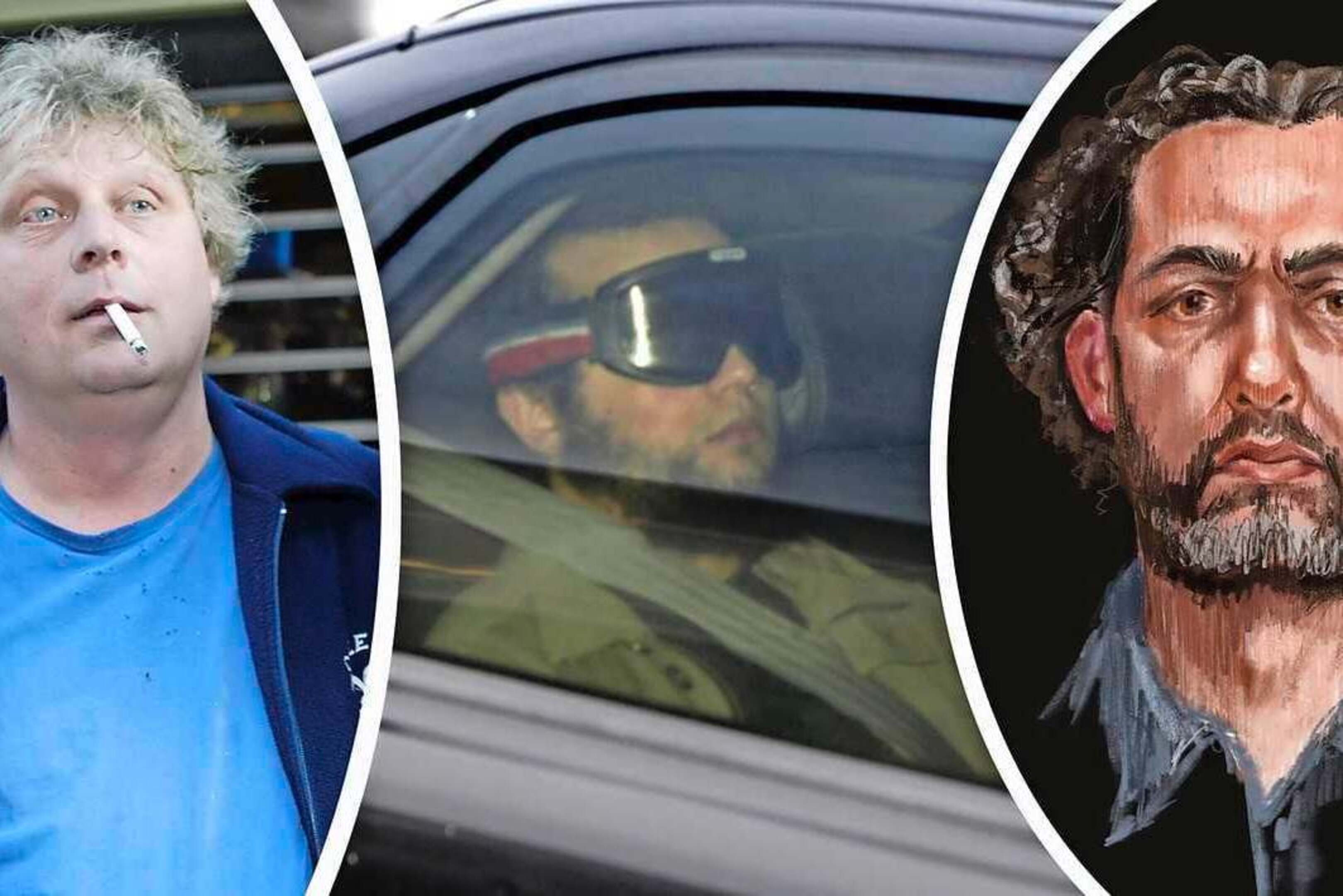
Mohammed Bouyeri
 Morocco
Birthday
March 8, 1978
Birth Sign
Pisces
Birthplace
Amsterdam, Netherlands
Age
48 years old
About
Mohammed Bouyeri is a Dutch-Moroccan citizen serving a life sentence without parole for the 2004 murder of Dutch filmmaker Theo van Gogh. Born in Amsterdam on March 8, 1978, he was a member of the Hofstad Network, a terrorist cell linked to al-Qaeda. The murder, which occurred on November 2, 2004, shocked the Netherlands and drew international attention to Islamic extremism in Europe.
Bouyeri's act was a response to van Gogh's film Submission, which criticized the treatment of women in Islam. He shot and stabbed van Gogh on an Amsterdam street, leaving a note pinned to the body. He has shown no remorse, stating in court that he would commit the act again if given the chance. He remains imprisoned at Nieuw Vosseveld prison.
Early Life & Background
Mohammed Bouyeri was born in Amsterdam to Moroccan immigrant parents. He grew up in the city's Slotervaart district, a working-class neighborhood with a significant immigrant population. In his youth, he was described as a promising student and a quiet, well-mannered young man. He attended local schools and later studied at a vocational college, where he focused on information technology.
After his studies, Bouyeri worked as a social worker and volunteered at a community center in Amsterdam, helping young people with homework and organizing activities. He was known as a helpful and engaged member of the community. However, around the turn of the millennium, he began to drift toward a more conservative interpretation of Islam. He grew a beard, started attending a mosque known for its strict teachings, and slowly cut ties with friends who did not share his views. This period of radicalization culminated in his involvement with the Hofstad Network, a group that advocated for violent jihad.
Career Growth
Bouyeri's life took a dark turn on November 2, 2004, when he murdered Dutch filmmaker Theo van Gogh. Van Gogh was cycling to work in Amsterdam when Bouyeri shot him multiple times, then stabbed him, leaving a note pinned to his chest with a knife. The note contained threats against Western leaders and criticized the film Submission, which van Gogh had directed with politician Ayaan Hirsi Ali.
Bouyeri was arrested the same day after a shootout with police. During his trial in July 2005, he confessed to the murder and expressed no regret, stating he acted out of religious conviction. On July 26, 2005, a Dutch court sentenced him to life imprisonment without parole, the harshest penalty available under Dutch law. He is currently held at Nieuw Vosseveld prison, where he remains a high-security inmate.
Career Timeline
Public Image & Style
Bouyeri's public image is defined almost entirely by his crime. He is widely regarded as a terrorist and a symbol of religious extremism. In the Netherlands, his name evokes fear and anger, particularly among those who see the murder of van Gogh as an attack on free expression.
Media coverage has portrayed him as a cold, unrepentant killer, a portrayal reinforced by his courtroom demeanor. He has become a case study in radicalization, with researchers and journalists examining his path from community volunteer to convicted murderer. There is no fandom or positive public perception; instead, he is a cautionary figure in discussions about extremism and integration.
Fame & Fandom (iFAMOUS Rankings)
Mohammed Bouyeri stands as a grim fixture in the annals of modern violence, his name synonymous with a single act that shattered Dutch society. While he lacks a traditional fanbase or organized following, no rallies, no merchandise, and certainly no collective rituals, the sheer weight of his infamy has propelled him into global consciousness. He is not celebrated; he is cataloged. According to the iFANN Global Fame Rankings, he holds the position of the 44th most famous person in True Crime, a placement that remains steady from the previous cycle. This ranking reflects how his case continues to dominate discussions on radicalization and judicial outcomes in Europe. The data tracks global attention across media coverage, search patterns, and consumption signals worldwide, ensuring that figures like Bouyeri remain visible even decades after their crimes. Despite the absence of a named fandom or any positive cultural mythology surrounding him, his legacy persists through the lens of criminal history. There are no birthday billboards or charity drives in his honor. His only "fans" are those who study the mechanics of extremism, viewing him as a cautionary tale rather than a hero. The lack of a formal fanbase underscores the universal revulsion his actions provoked. He is remembered for the cold calculation of his crime and the chilling note left pinned to his victim's body. In the digital age, where infamy can sometimes blur into notoriety, Bouyeri remains an outlier: a figure whose fame is entirely negative yet undeniably potent. His presence in the rankings serves as a reminder that some acts transcend time, leaving an indelible scar on the collective memory of nations.
Interesting Facts and Legends
Bouyeri's court statement, delivered in Dutch, was described as a 'declaration of war' against the West. He claimed he was defending the name of Allah and that van Gogh's film was an insult to Islam. He was born in the same year as the Dutch politician Pim Fortuyn, who was also assassinated, in 2002, by an animal rights activist. The two murders fueled a national debate on immigration and integration in the Netherlands. Bouyeri's note pinned to van Gogh's body was addressed to Hirsi Ali, calling her a 'soldier of evil.' Despite his imprisonment, Bouyeri has reportedly maintained contact with other extremists and has been involved in radical activities within prison. The assassination of Theo van Gogh remains the defining moment of Bouyeri's life. As van Gogh cycled to work in Amsterdam, Bouyeri shot and stabbed him, leaving a note threatening other politicians and writers. This event is widely cited as a pivotal moment in Dutch history regarding radicalization, free speech, and the rise of homegrown terrorism. It resulted in his conviction and sentencing to life in prison without parole. There are no other iconic moments involving crowds or viral fame attributed to him, as his public appearances were limited to court proceedings and his time in Nieuw Vosseveld prison.
Notable Quotes
“I acted out of conviction. I cannot regret what I did.”
“I would do it again if I had the chance.”
“I was defending the name of Allah.”
Family & Personal Life
Bouyeri was born to Moroccan parents who emigrated to the Netherlands in the 1970s. He has two sisters and a brother, but little is known about them publicly. His father worked as a laborer, and the family lived in the Slotervaart district of Amsterdam.
Bouyeri never married and had no children. He is not known to have any pets. His family has largely stayed out of the public eye since his conviction, and they have not spoken publicly about his actions.
Notable Connections
Mohammed Bouyeri is associated with the Hofstad Network, a terrorist organization linked to al-Qaeda. He is also associated with Theo van Gogh, the filmmaker he murdered, and Ayaan Hirsi Ali, who was the target of the threatening note left on van Gogh's body. His actions have been studied by counterterrorism experts and researchers.
Relationships & Dating History
Mohammed Bouyeri has never been publicly linked to any romantic relationships. He was not married and had no known girlfriends or partners. His life was largely solitary, focused on his radical religious beliefs. There is no public record of any dating history or intimate partnerships. As of 2026, he remains single, with no known current partner.
Salary, Net Worth In 2026
$0
iFANN Editorial Team estimate
Per iFANN's editorial analysis, Mohammed Bouyeri's net worth is estimated at $0. As a convicted murderer serving a life sentence, he possesses no known income, assets, or business ventures. His financial situation is not a matter of public record, and he is not known to have accumulated any wealth during his lifetime. In prison, he has no earning capacity, and his estate is not known to hold any significant value. As of 2026, there is no public information about any financial holdings or inheritance. His net worth is effectively zero, and any potential earnings from his notoriety would be prohibited under Dutch law, which prevents criminals from profiting from their crimes.
Awards & Accolades
Known For
Murder of Theo van Gogh
2004 · Perpetrator
Member of Hofstad Network
2002-2005 · Member
Keywords
Sources
Quick Facts
- Profession
- jihadist, murderer
- Born
- March 8, 1978
- Birthplace
- Amsterdam, Netherlands
- Gender
- Male
- Birth Sign
- Pisces
- Nationality
- Dutch-Moroccan
- Criminal Status
- Life imprisonment
- Imprisoned at
- Nieuw Vosseveld prison
Personal Details
- Full Name
- Mohammed Bouyeri
Frequently Asked Questions
Who is Mohammed Bouyeri?
Why did Mohammed Bouyeri kill Theo van Gogh?
When was Mohammed Bouyeri sentenced?
Where is Mohammed Bouyeri imprisoned?
What was Mohammed Bouyeri's nationality?
Join the community
fans discussing