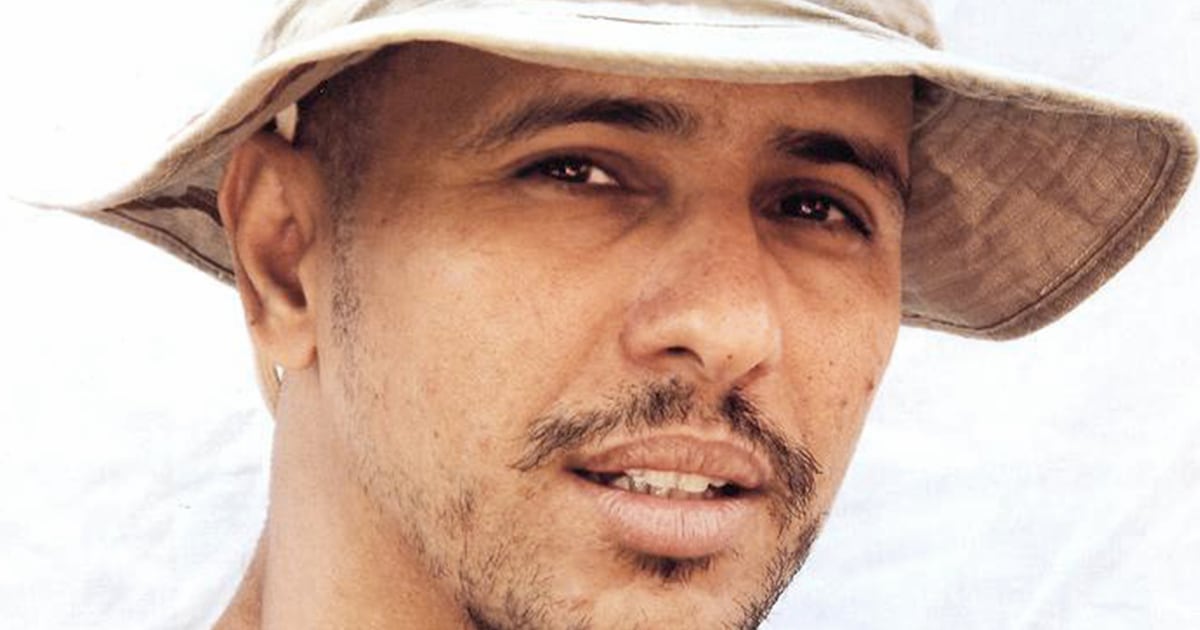
Mohamedou Ould Slahi
 Mauritania
Author•Human Rights Activist•Former Engineer
Also known as: MOUS
Birthday
December 21, 1970
Birth Sign
Sagittarius
Birthplace
Rosso, Mauritania
Age
55 years old
About
Mohamedou Ould Slahi is a Mauritanian author, telecommunications engineer, and human rights activist who gained global notoriety after spending fourteen years detained at the Guantánamo Bay Naval Base without charge or trial. Born in Rosso, Mauritania, he trained as an engineer before his life was upended by the events of September 11, 2001. His story became a defining case study in the post-9/11 War on Terror, highlighting the complexities of extraordinary rendition and indefinite detention. Today, Slahi stands as a powerful voice for justice and forgiveness, often described as a symbol of the failure of the U.S. detention system and the power of non-violent resistance. He is best known for publishing Guantánamo Diary, the first memoir written by a detainee while still incarcerated. The book detailed his harrowing experiences with torture and isolation, becoming an international bestseller upon its release in 2015. His narrative continues to influence discussions on civil liberties, with his story adapted into the acclaimed film The Mauritanian in 2024. As of 2026, he remains active in advocacy, speaking about the long-term psychological impacts of the War on Terror while navigating ongoing geopolitical complexities regarding travel restrictions.
Early Life & Background
Mohamedou Ould Slahi entered the world on December 21, 1970, in the town of Rosso, located near the border with Senegal in Mauritania. He grew up as the ninth child in a large family of twelve siblings, born to a father who worked as a camel herder. This upbringing in rural West Africa shaped his early years before he moved toward a more technical path in adulthood. In the late 1980s, Slahi traveled to Germany where he pursued higher education, training specifically as a telecommunications engineer. By December 1990, he made the decision to travel to Afghanistan to support the mujahideen fighting against the Soviet Union. His journey took him deeper into conflict zones; by March 1991, he had joined an al-Qaeda training camp and pledged allegiance to the organization. Although he claimed to have severed all ties with the group after leaving Afghanistan in early 1992, U.S. authorities maintained that he continued to maintain connections and recruit for them during his travels through Europe and North America. These formative years established the background that would later be scrutinized by intelligence agencies leading to his detention.
Career Growth
Slahi's life changed dramatically following the terrorist attacks on September 11, 2001. On November 20, 2001, Mauritanian authorities detained him in cooperation with the FBI. He was subsequently transferred through the CIA's extraordinary rendition program, spending eight months in Jordan where he reported enduring torture by Russian handlers. After two weeks in Afghanistan, he arrived at Guantánamo Bay on August 4, 2002. During his imprisonment, he endured sleep deprivation, isolation, extreme temperatures, beatings, and sexual humiliation. Despite Lieutenant Colonel Stuart Couch refusing to prosecute him in 2003 due to evidence extracted under torture, legal battles stretched over a decade. In 2010, Judge James Robertson granted a writ of habeas corpus, ruling that past associations did not justify indefinite detention. A Periodic Review Board approved his release on July 14, 2016, and he returned to Mauritania on October 17, 2016, reuniting with his family after more than fourteen years.
While incarcerated, Slahi wrote his memoir, Guantánamo Diary, which became the first book published by a detainee while still imprisoned. The U.S. government declassified the manuscript in 2012 despite heavy redactions, and it was published in January 2015, becoming an international bestseller. The book was a finalist for the National Book Award for Nonfiction in 2015. His story inspired the feature film The Mauritanian, directed by Kevin Macdonald and starring Tahar Rahim. The film received widespread critical praise and won the Jury Prize at the 2024 Cannes Film Festival, significantly amplifying Slahi's public profile. He has also appeared in various media outlets, including Al Jazeera, France 24, and NPR, discussing his experiences and the legacy of the War on Terror. Following his release, Slahi became a globally sought-after keynote speaker, delivering talks on moral courage, inner leadership, and dialogue. In 2026, he continues to engage in speaking tours, particularly marking the 25th anniversary of the 9/11 attacks, warning against the normalization of Guantánamo-style detention within the U.S. and abroad.
Career Timeline
Public Image & Style
Slahi is viewed as a paragon of resilience and a victim of systemic injustice. Media portrayals emphasize his transformation from a suspected jihadist to a vocal critic of the very systems that detained him. His tone is consistently reflective, dignified, and focused on reconciliation rather than revenge. His signature style involves direct, unflinching testimony delivered in calm, measured tones. He actively engages with fans and supporters through his official website and social media platforms, where he shares updates on his advocacy work and reflections on justice. Organizations such as the Knight First Amendment Institute at Columbia University have recognized his role as a free speech advocate. His public image is defined by his philosophical stance on forgiveness, illustrated by his famous quote comparing resentment to drinking poison, which has become a defining moment in his post-release narrative.
Fame & Fandom (iFAMOUS Rankings)
iFANN's Global Fame Engine has evaluated Mohamedou Ould Slahi, but he does not currently hold a placement in the published rankings (Global Top 1,000 or a Top-100 scope list). He is not featured in the September 2026 iFAMOUS Rankings flagship list. While he lacks a formal celebrity fandom name, supporters often refer to themselves as advocates for "Justice for Mohamedou" or simply as readers of Guantánamo Diary. Fan campaigns have focused on fundraising for legal aid, promoting the book and film, and lobbying for policy changes regarding Guantánamo detainees. Slahi has expressed gratitude to his supporters, noting that their letters and messages sustained him during his darkest days. The fanbase is less about celebrity worship and more about solidarity with human rights causes, united by the impact of his writing and the film adaptation.
Interesting Facts and Legends
Slahi wrote four other books during his captivity but has been unable to access them since his release. The diary entries were written on scraps of toilet paper and memorized, surviving multiple rounds of censorship. He is the only detainee to publish a memoir while still incarcerated. One verified incident from his time in custody involved being blindfolded and taken out to sea in a boat for a mock execution. His philosophical statement on forgiveness, "Resentment is like drinking poison and hoping your enemy dies," has become a defining quote in his post-release narrative. Another notable quote from his captivity is, "For 15 years, I didn't see the sun rise or go down," emphasizing the disorientation of his imprisonment. In March 2026, reports noted that the German city of Duisburg maintained an entry ban against him, citing security concerns despite his release. He has also testified regarding the treatment of detainees, clarifying details about his time in custody and the role of intelligence agencies.
Notable Quotes
“I never thought the US tortured people but I was tortured.”
“Resentment is like drinking poison and hoping your enemy dies.”
“For 15 years, I didn't see the sun rise or go down.”
Family & Personal Life
Slahi was the ninth of twelve children born to a camel herder in Rosso, Mauritania. Upon his release from Guantánamo Bay in October 2016, he was reunited with his family after more than fourteen years of separation. Public records and interviews focus exclusively on his detention, his legal battle, and his post-release advocacy. There are no publicly documented romantic relationships, dating histories, marriages, or children associated with his name in credible sources. As of 2026, there is no public information indicating he is currently married or in a relationship; he is generally described as having been reunited with his family upon release, but specific details regarding his current domestic status are not part of the public record. His mother and siblings remain in Mauritania, though their specific locations and current activities are not widely publicized.
Notable Connections
Nancy Hollander, Theresa Duncan, Stuart Couch, James Robertson, Kevin Macdonald, Tahar Rahim
Relationships & Dating History
Slahi's personal life remains largely private. There are no publicly documented romantic relationships, dating histories, marriages, or children associated with his name in credible sources. As of 2026, there is no public information indicating he is currently married or in a relationship; he is generally described as having been reunited with his family upon release, but specific details regarding his current domestic status are not part of the public record. His focus has remained entirely on his legal battles, his advocacy work, and his family reunification. No spouse or partner has ever been identified in credible biographical summaries or media reports regarding his life before or after his detention.
Salary, Net Worth In 2026
$1 Million
iFANN Editorial Team estimate
As of 2026, research by the iFANN Editorial Team puts Mohamedou Ould Slahi's fortune at around $1 Million. Unlike traditional celebrities, Slahi does not engage in commercial entertainment ventures beyond speaking engagements and royalties from his book. His wealth sources include book royalties, speaking fees, and potential estate management, though exact figures are unavailable. The financial trajectory of his career has been modest compared to Hollywood stars, reflecting his primary focus on advocacy rather than profit. Specific net worth figures are not publicly disclosed by credible financial sources, as he does not engage in commercial entertainment ventures beyond speaking engagements and royalties from his book, which likely remain modest compared to traditional celebrities. Any claims of high net worth should be considered outliers or unverified.
Awards Won (1)
While Slahi himself has not received individual competitive awards like Oscars or Emmys, his recognition comes from the impact of his writing and the film adaptation. Guantánamo Diary was a finalist for the National Book Award for Nonfiction in 2015. The film The Mauritanian won the Jury Prize at the 2024 Cannes Film Festival and was nominated for several other accolades, including Golden Globe nominations for Best Motion Picture – Drama and Best Actor (Tahar Rahim), indirectly honoring Slahi's story.
2024 · Best Film
The Mauritanian
Known For
Guantánamo Diary
2015 · Author
The Mauritanian
2024 · Subject
Keywords
Sources
Quick Facts
- Profession
- writer, engineer, telecommunications engineer
- Born
- December 21, 1970
- Birthplace
- Rosso, Mauritania
- Gender
- Male
- Birth Sign
- Sagittarius
Personal Details
- Full Name
- Mohamedou Ould Slahi
- Children
- Education
- Telecommunications Engineering Training in Germany
Filmography
1
Total
1
Film
0
TV
Frequently Asked Questions
What is Mohamedou Ould Slahi famous for?
How old is Mohamedou Ould Slahi?
Did Mohamedou Ould Slahi ever go to court?
Is Mohamedou Ould Slahi still alive?
Who played Mohamedou Ould Slahi in the movie The Mauritanian?
Social Media
Similar People
Join the community
fans discussing