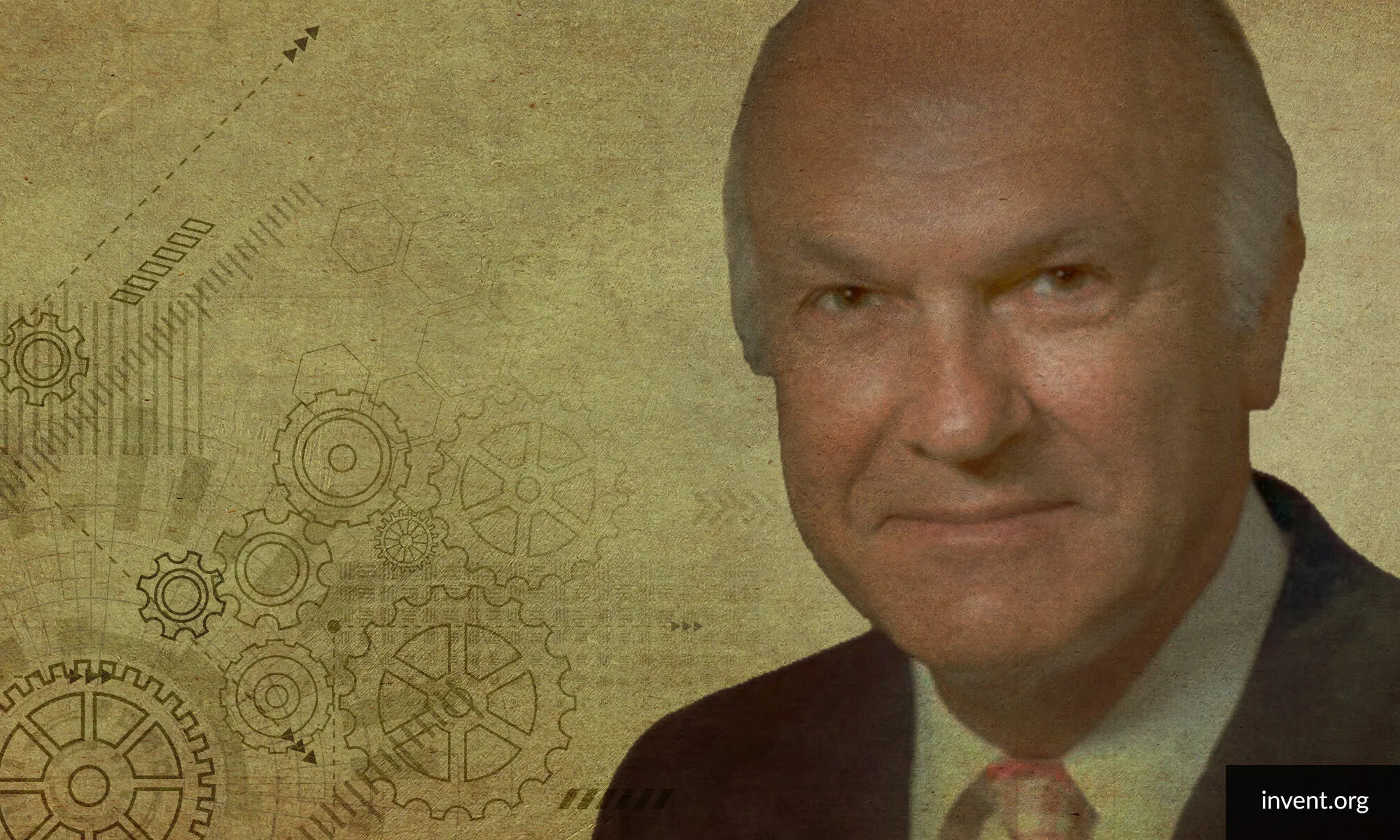
Mohamed M. Atalla
 Egypt
Egyptengineer•physicist•cryptographer•inventor•entrepreneur
Also known as: Martin Atalla, John Atalla, John Martin Atalla
Birthday
August 4, 1924
Birth Sign
Leo
Birthplace
Port Said, Egypt
Age
Died at 85
About
Mohamed M. Atalla was an Egyptian-American engineer, physicist, cryptographer, inventor, and entrepreneur whose work underpins both modern electronics and global financial security. He is best known for co-inventing the metal-oxide-semiconductor field-effect transistor (MOSFET) with Dawon Kahng in 1959, a breakthrough that became the foundation of virtually all modern microprocessors, memory chips, and integrated circuits. The MOSFET is widely considered the most manufactured device in human history, powering everything from smartphones to supercomputers.
After a distinguished career at Bell Labs, Atalla pivoted to data security in 1972, founding Atalla Corporation and inventing the first hardware security module, the "Atalla Box," which encrypted PIN and ATM messages and came to protect the majority of the world's ATM transactions. His contributions earned him the Stuart Ballantine Medal, now known as the Benjamin Franklin Medal in physics, and a posthumous induction into the National Inventors Hall of Fame. Atalla died on December 30, 2009, in Atherton, California, leaving a legacy that touches nearly every electronic device and financial transaction today.
Early Life & Background
Mohamed M. Atalla was born on August 4, 1924, in the Egyptian port city of Port Said, a bustling hub on the Suez Canal. Growing up in a country then under British influence, he showed an early aptitude for mathematics and science. He pursued his undergraduate studies at Cairo University, where he earned a bachelor's degree in engineering.
Seeking advanced education, Atalla moved to the United States in the mid-1940s. He enrolled at Purdue University in Indiana, completing a master's degree in mechanical engineering in 1947 and a doctorate in the same field in 1949. His doctoral work focused on thermodynamics and heat transfer, areas that would later inform his semiconductor research.
Fresh out of graduate school, Atalla joined Bell Labs in 1949, the legendary research facility in Murray Hill, New Jersey. At Bell, he adopted the anglicized names "John" and "Martin" to fit in more easily with his American colleagues. He initially worked on surface physics, investigating the behavior of silicon and germanium, which were then the primary materials for transistors. His early experiments on surface states and oxidation would set the stage for his most significant discovery.
Career Growth
Atalla's breakthrough came in 1959 when he and Dawon Kahng co-invented the metal-oxide-semiconductor field-effect transistor (MOSFET) at Bell Labs. The key was Atalla's surface passivation process, which used thermal oxidation to neutralize electrical traps on silicon surfaces, making the device reliable. The MOSFET revolutionized electronics, enabling the miniaturization that led to the integrated circuit and the digital age.
Despite its monumental significance, Bell Labs initially failed to see the commercial value of the MOSFET, and Atalla left in 1962. He founded Hewlett-Packard's Semiconductor Lab, launching HP Labs in 1966, and in 1969 established Fairchild Semiconductor's Microwave and Optoelectronics division. There he advanced research on Schottky diodes, gallium arsenide, and LED technologies.
In 1972, Atalla made a dramatic pivot to data security, founding Atalla Corporation and patenting a remote PIN security system. The following year he released the "Atalla Box," the first hardware security module, which encrypted PIN and ATM messages. This device became the industry standard, protecting the majority of the world's ATM transactions. In the 1990s, he founded TriStrata Security to focus on internet security, continuing his legacy of innovation.
Career Timeline
Public Image & Style
Atalla has no fandom in the entertainment sense, but in engineering circles he is celebrated as a pioneer. YouTube documentaries and LinkedIn tributes honor his work, and the Reddit electronics community marked the centenary of his birth, noting his invention of the MOS transistor. His legacy is framed as that of an overlooked giant whose inventions power every smartphone, computer, and ATM transaction.
Fame & Fandom (iFAMOUS Rankings)
Mohamed M. Atalla never courted a crowd, nor did he ever cultivate a tribe of devotees chanting his name in the digital squares. The engineering world reveres him, but they do not call themselves fans; there is no formal fandom name to attach to his legacy. His admirers are the architects of the modern age, silently thanking him every time a smartphone boots or an ATM dispenses cash. While pop culture icons command billboards and subway ads, Atalla's monument is the silicon chip itself, manufactured by the billions. This distinction matters because it frames his influence as structural rather than performative. He stands as a giant whose presence is felt in the circuitry of every device, yet he remains absent from the spectacle of celebrity worship. iFANN has evaluated his global standing with this reality in mind. The Global Fame Engine determined that Mohamed M. Atalla is currently EVALUATED_UNRANKED, meaning he does not hold a placement in the published Top 1,000 or Top-100 scope lists. This absence of a numeric rank reflects the unique nature of his fame: it is ubiquitous but invisible, woven into the fabric of daily life rather than highlighted in headline metrics. The ranking pages confirm this status plainly, noting that while his technical contributions are legendary, his personal brand does not generate the specific consumption signals required for a numerical slot in the current global census. He remains a figure of immense historical weight, celebrated in academic circles and tech forums, yet his fame exists outside the quantified hierarchy of the modern media landscape.
Interesting Facts and Legends
Mohamed M. Atalla navigated history under several anglicized identities, including John, Martin, and John Martin, which appear across various historical records. Before revolutionizing the transistor, he developed a surface passivation process using thermal oxidation, a critical breakthrough that stabilized silicon devices and made the MOSFET possible. He co-invented the metal-oxide-semiconductor field-effect transistor (MOSFET) with Dawon Kahng in 1959, creating what is widely considered the most manufactured device in human history. Billions of chips rely on this design today. In 1972, Atalla pivoted from semiconductors to cryptography, founding Atalla Corporation and inventing the first hardware security module. This dual career ensured his work secured both the computing and financial infrastructure of the modern world. Pantheon.world ranks him as the 298th most popular inventor globally and the 2nd most popular Egyptian inventor. A verified story from his early career at Bell Labs details how his passivation technique solved the instability issues that had plagued semiconductor manufacturing for years. Another iconic moment occurred when he successfully demonstrated the MOSFET, igniting the semiconductor revolution that powers everything from supercomputers to smartphones. These events are not folklore but documented milestones that define the technological era.
Family & Personal Life
Details about Atalla's family life remain scarce, as he was a private individual who kept his personal affairs out of the public eye. No information is available about his parents, siblings, spouse, or children. He lived in Atherton, California, at the time of his death, but little else is known about his household or family relationships.
Notable Connections
Relationships & Dating History
No public romantic relationships, marriages, or partnerships for Atalla are documented in the search results. Given that he was a private engineer and scientist rather than a public figure in the entertainment or political sphere, no dating history has been reported by credible outlets. His marital status at the time of his death is not stated in the available sources.
Death & Aftermath
Died
December 30, 2009 (aged 85)
Death Place
Unknown
Cause of Death
Unknown
The engineering world mourned the loss of a man whose thermal oxidation process and the MOSFET he co-invented had quietly powered the digital age. Tributes from peers and institutions highlighted his status as a seminal figure, ranking him among the most popular inventors globally for laying the foundations of modern electronics. His passing was treated as a natural event without legal controversy. Mohamed M. Atalla died on December 30, 2009, at the age of 85, though the specific location of his final days remains unrecorded in public accounts. While details regarding a funeral service, burial location, or specific memorial gathering are absent from available records, his legacy endured through academic recognition and historical articles celebrating his contributions to semiconductor technology. Posthumous references continued to cite his work on surface passivation and integrated circuits within educational milestones, such as those at Purdue University. The handling of his estate and any potential family statements were not documented.
Net Worth (Estate Value)
As a deceased figure, no current net worth estimate is available from the provided sources. Atalla's career earnings are not documented, and the estate's posthumous earnings, management, and revenue sources are likewise undocumented. His financial legacy is primarily tied to the widespread adoption of his inventions rather than documented personal wealth.
Awards Won (1)
Atalla received the Stuart Ballantine Medal, now the Benjamin Franklin Medal in physics, for his contributions to semiconductor technology. He was also posthumously inducted into the National Inventors Hall of Fame, recognizing his dual impact on electronics and data security.
1975 · Physics
Semiconductor technology
Known For
MOSFET
1959 · Co-inventor
Atalla Box
1973 · Inventor
Keywords
Sources
Quick Facts
- Profession
- engineer, physicist, cryptographer, inventor, entrepreneur
- Born
- +1924-08-04
- Birthplace
- Port Said, Egypt
- Died
- +2009-12-30
- Death Place
- Atherton, California
- Gender
- Male
- Birth Sign
- Leo
- Education
- Cairo University, Purdue University
Personal Details
- Full Name
- Mohamed Mohamed Atalla
- Education
- Cairo University (B.S.), Purdue University (M.S. 1947, Ph.D. 1949 in mechanical engineering)
Frequently Asked Questions
Why isn't Mohamed Atalla, the inventor of the MOSFET, well recognized like other engineers?
What did Mohamed Atalla invent?
Where was Mohamed Atalla born?
What is the Atalla Box?
When did Mohamed Atalla die?
Similar People
Join the community
fans discussing