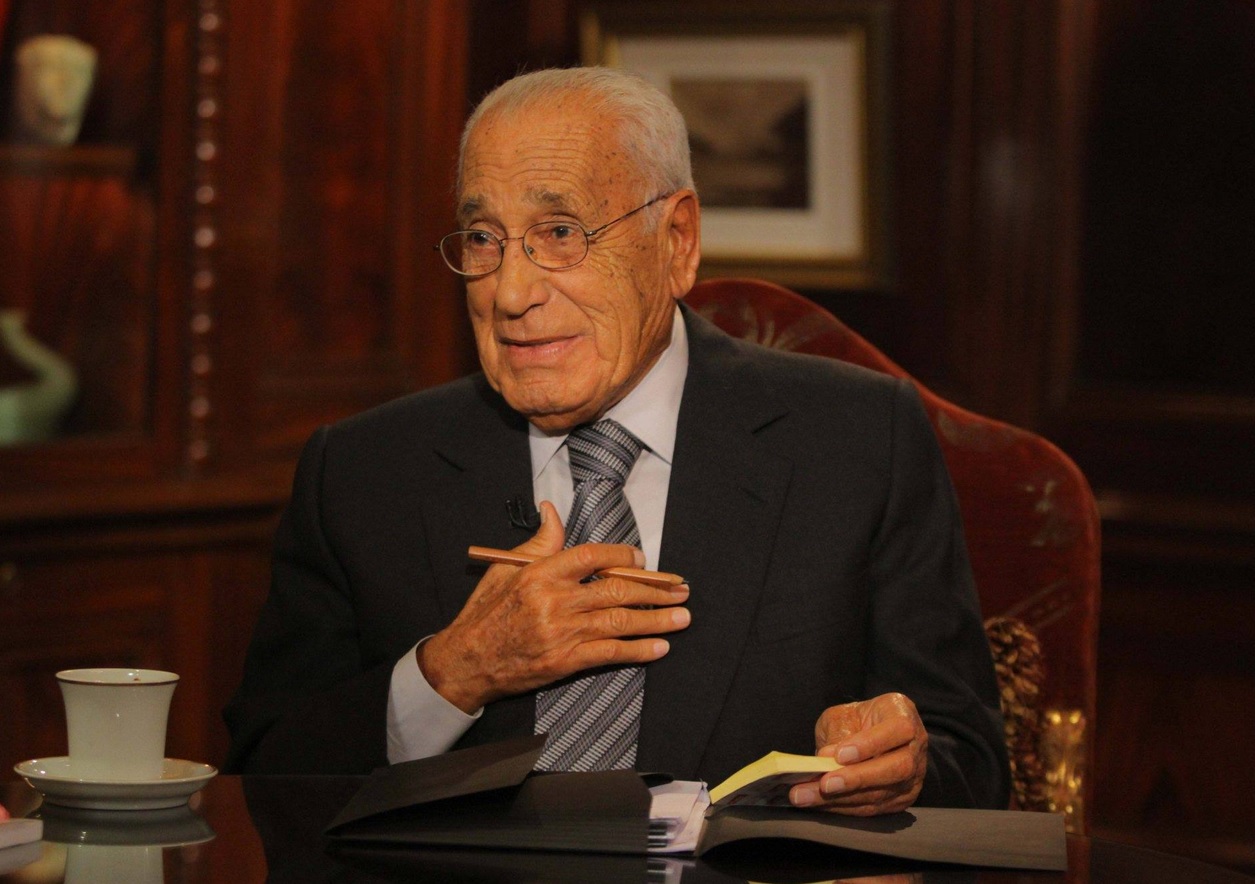
Mohamed Hassanein Heikal
 Egypt
Egyptjournalist•writer•political commentator
Birthday
September 23, 1923
Birth Sign
Libra
Birthplace
Cairo, Egypt
Age
Died at 92
About
Mohamed Hassanein Heikal was an Egyptian journalist, writer, and political commentator who became one of the most influential voices in Arab media for nearly six decades. He was widely recognized for his sharp intellect and his ability to articulate and shape public discourse on critical regional and international affairs. From 1957 to 1974, he held the powerful position of editor-in-chief at the prominent Cairo newspaper Al-Ahram, a role that cemented his status as a key figure in the Middle East. His distinctive style and informed perspective allowed him to provide unique insights into the political landscape, making him a compelling figure for both leaders and the public. Even in his later years, Heikal remained an active and often critical observer of political events. He passed away in Cairo on February 17, 2016, at the age of 92.
Early Life & Background
Mohamed Hassanein Heikal was born in Cairo, Egypt, on September 23, 1923, into a family that valued education and intellect. His early life in the bustling Egyptian capital laid the foundation for a career that would span the most transformative decades of modern Middle Eastern history. Heikal pursued his higher education at the American University in Cairo, where he honed the analytical and writing skills that would define his professional journey.
His first foray into journalism came at a remarkably young age, marking the start of a long and impactful path. Heikal undertook his initial reporting mission in 1942, covering the Second Battle of El Alamein, a pivotal moment in World War II. This early exposure to frontline reporting gave him a firsthand understanding of conflict and its human cost. Later, he served as a correspondent for the newspaper Akhbar al-Yawm, covering the 1948 Arab-Israeli War. These formative experiences in war correspondence deeply influenced his perspective and journalistic approach, preparing him for the significant roles he would later assume in shaping public opinion and advising political leaders.
Career Growth
Mohamed Hassanein Heikal's career took a significant turn in 1957 when he was appointed editor-in-chief of the Cairo newspaper Al-Ahram. This role, which he held for an impressive 17 years until 1974, transformed the publication into one of the Arab world's most influential newspapers. Under his leadership, Al-Ahram became a crucial platform for discussing regional affairs and articulating the political direction of Egypt.
During this period, Heikal also developed a close working relationship with President Gamal Abdel Nasser, serving as a trusted confidant and advisor. He often ghostwrote for Nasser and became a prominent voice advocating for pan-Arabism and Nasser's socialist policies. His involvement extended beyond journalism; he was a member of the Central Committee of the Arab Socialist Union and briefly served as the Minister of Information in April 1970. Following Nasser's death, Heikal's relationship with President Anwar Sadat became strained, leading to his resignation from government roles in 1974, reportedly due to policy disagreements.
Even after stepping away from official positions, Heikal remained an active and respected commentator. In September 2003, around his 80th birthday, he reflected on his extensive career, describing himself as an "old warrior" ready to step back but not disappear from public discourse. He continued to offer sharp insights, notably criticizing President Mubarak in 2007 for what he called living in a "world of fantasy." In August 2014, he delivered presentations to university students, including at Georgetown University in Qatar, on topics such as the future of the Gulf region. His legacy continues to be honored posthumously; an exhibition documenting his life and contributions was inaugurated at the Bibliotheca Alexandrina in February 2022, and the Heikal Foundation for Arab Journalism announced finalists for a Data Journalism Award in February 2026, carrying forward his commitment to quality journalism.
Career Timeline
Public Image & Style
Mohamed Hassanein Heikal projected the image of a deeply intellectual and authoritative figure in the Arab world. He was widely regarded as the "dean of Arab journalism," a title that underscored his profound influence and respected standing within the media landscape. His public persona was defined by his rigorous analysis, sharp commentary, and an unwavering commitment to informed discourse on political and social issues.
Audiences connected with Heikal through his distinctive ability to dissect complex regional dynamics and present them with clarity and historical context. He was seen as a trusted, albeit sometimes provocative, voice who offered unique insights into the workings of power. His writings and commentary, characterized by their depth and intellectual rigor, shaped public opinion and influenced generations of journalists and political thinkers across the Middle East.
Fame & Fandom
Mohamed Hassanein Heikal never cultivated a fandom in the modern sense of celebrity worship, as his public standing was that of a statesman and intellectual rather than an entertainer. There is no formal or unofficial moniker for any group of admirers, nor are there organized fan campaigns or birthday tributes dedicated to his person; instead, his legacy is preserved through institutional honors like the Heikal Prize for journalistic excellence. While he engaged with students at Georgetown University Qatar and the American University in Cairo, these interactions were academic engagements rather than events where a cult following might gather. The iFANN Global Fame Engine evaluated his standing in August 2026 and determined that Mohamed Hassanein Heikal does not currently hold a placement in the published rankings, meaning he is not listed among the Global Top 1,000 or within any Top-100 scope list. This absence of a specific numeric rank reflects his status as a historical figure whose influence peaked decades ago rather than a contemporary subject of active global consumption metrics. His reputation rests on verified historical narratives, such as his role as the alter ego of President Gamal Abdel Nasser and the documented attempt by Mossad to recruit him during the Cold War. These stories form the cultural mythology of modern Egyptian media, distinguishing his legendary status from the fleeting fame of pop culture icons. Unlike performers who generate viral moments or street shutdowns, Heikal's impact is measured by seismic shifts in Arab political discourse caused by his writings. The iFANN Editorial Team acknowledges that while he remains a revered national figure, the data indicates no current placement in the global hierarchy of fame.
Interesting Facts and Legends
Mohamed Hassanein Heikal often referred to himself as an 'old warrior' when discussing his long and impactful career in journalism and politics. Around his 80th birthday in September 2003, he offered a rare glimpse into his personal finances, publicly disclosing his salaries received throughout his extensive public service. In 2007, he generated considerable public debate when he criticized President Mubarak, suggesting the leader was living in a 'world of fantasy' and lacked sufficient political experience. Throughout his later years, Heikal remained committed to intellectual engagement, regularly giving presentations to university students on various contemporary issues, including one notable lecture at Georgetown University in Qatar. A widely retold narrative about his life involves his role as the closest confidant and mouthpiece of President Gamal Abdel Nasser, effectively acting as the President's chief strategist for 17 years. Another significant piece of lore details a failed attempt by Israel's intelligence agency, Mossad, to recruit Heikal during the height of Cold War tensions, highlighting the geopolitical stakes of his position. Upon his death in February 2016, he was mourned as a national treasure, with tributes pouring in from across the Arab world and major international outlets describing him as one of the most influential journalists in history.
Notable Quotes
“I am an old warrior. The old warrior has a right to step back but not disappear.”
Family & Personal Life
Mohamed Hassanein Heikal was born and raised in Cairo, Egypt, though specific details about his parents and siblings are not extensively documented in public records. He maintained a relatively private personal life, especially concerning his immediate family. Information regarding his marital status or whether he had children has not been widely publicized, reflecting a deliberate choice to keep these aspects out of the public eye during his long and prominent career.
Notable Connections
Mohamed Hassanein Heikal was closely associated with several key political figures throughout his career, most notably
Gamal Abdel Nasser
, the former Egyptian President. Heikal served as a confidant and advisor to Nasser and was a significant proponent of his pan-Arabist and socialist ideologies. His career also intersected withAnwar Sadat
andHosni Mubarak
, both former Egyptian Presidents, though his relationships with them were often marked by political disagreements and public criticism.Relationships & Dating History
Mohamed Hassanein Heikal maintained a remarkably private personal life throughout his long and public career. Details regarding his romantic relationships, marriage, or family life were not extensively publicized during his lifetime, nor have they emerged significantly in posthumous accounts. His public record does not detail his marital status or specific relationships at the time of his death in 2016.
Death & Aftermath
Died
February 17, 2016 (aged 92)
Death Place
Cairo, Egypt
Cause of Death
Natural causes following declining health
Tributes poured in from political leaders and institutions across the Arab world immediately following the announcement, with the American University in Cairo honoring him as a distinguished visitor and leading commentator on regional affairs for nearly six decades. The New York Times and BBC highlighted his historical role as the alter ego of President Gamal Abdel Nasser and his influence as a master propagandist and journalist. Mohamed Hassanein Heikal passed away on Wednesday, February 17, 2016, in Cairo, Egypt, at the age of 93 according to multiple outlets including the San Diego Union-Tribune and The Arab Weekly, though some sources initially reported his age as 92. His final days were spent in the city where he had lived for decades as a central figure in Arab media and politics, ending peacefully after a period of declining health consistent with his advanced age., reports described it as a natural passing.
A significant public turnout attended his funeral and burial ceremony in Cairo shortly after his death in late February 2016, featuring government officials, fellow journalists, and political figures from across the region who gathered to mark the end of a pivotal era in modern Egyptian history. Posthumous recognition continued years later when an exhibition documenting his life and contributions was inaugurated at the Bibliotheca Alexandrina in February 2022 as part of ongoing projects to preserve the legacy of distinguished Egyptians. The family has not issued detailed public statements regarding the handling of his estate.
Net Worth (Estate Value)
$10 Million
iFANN Editorial Team estimate
Mohamed Hassanein Heikal's financial legacy was built through a distinguished career spanning over six decades as a journalist, writer, and political commentator. His primary income streams included his significant salary as editor-in-chief of the influential Al-Ahram newspaper for 17 years, earnings from his numerous published books and articles, and compensation for his advisory roles to prominent political figures. He was known for his prolific writing, with many of his works translated and read widely, contributing to his overall financial standing. At the time of his passing in 2016, his estate was an accumulation of these lifelong earnings. The value of his intellectual property, including royalties from his extensive bibliography and any ongoing licensing agreements for his works, continued to contribute to his estate. Per iFANN's editorial analysis, the total value of his estate as of 2026 is estimated at $10 Million. The Heikal Foundation for Arab Journalism, established in his name, continues to promote journalistic excellence, reflecting an ongoing commitment to his legacy that likely drew from his financial and intellectual contributions.
Awards & Accolades
View 4 records, honours and achievementsKnown For
Editor-in-Chief of Al-Ahram
1957 · Editor-in-Chief
Confidant to Gamal Abdel Nasser
1952 · Political Advisor
Keywords
Sources
Quick Facts
- Profession
- journalist, writer, political commentator
- Born
- September 23, 1923
- Birthplace
- Cairo, Egypt
- Died
- February 17, 2016
- Death Place
- Cairo, Egypt
- Gender
- Male
- Birth Sign
- Libra
- Education
- American University in Cairo
Personal Details
- Children
- Education
- American University in Cairo
Frequently Asked Questions
How old was Mohamed Hassanein Heikal when he died?
What was Mohamed Hassanein Heikal best known for?
What was Mohamed Hassanein Heikal's net worth at the time of his death?
Who were Mohamed Hassanein Heikal's notable political associations?
How did Mohamed Hassanein Heikal die?
Join the community
fans discussing