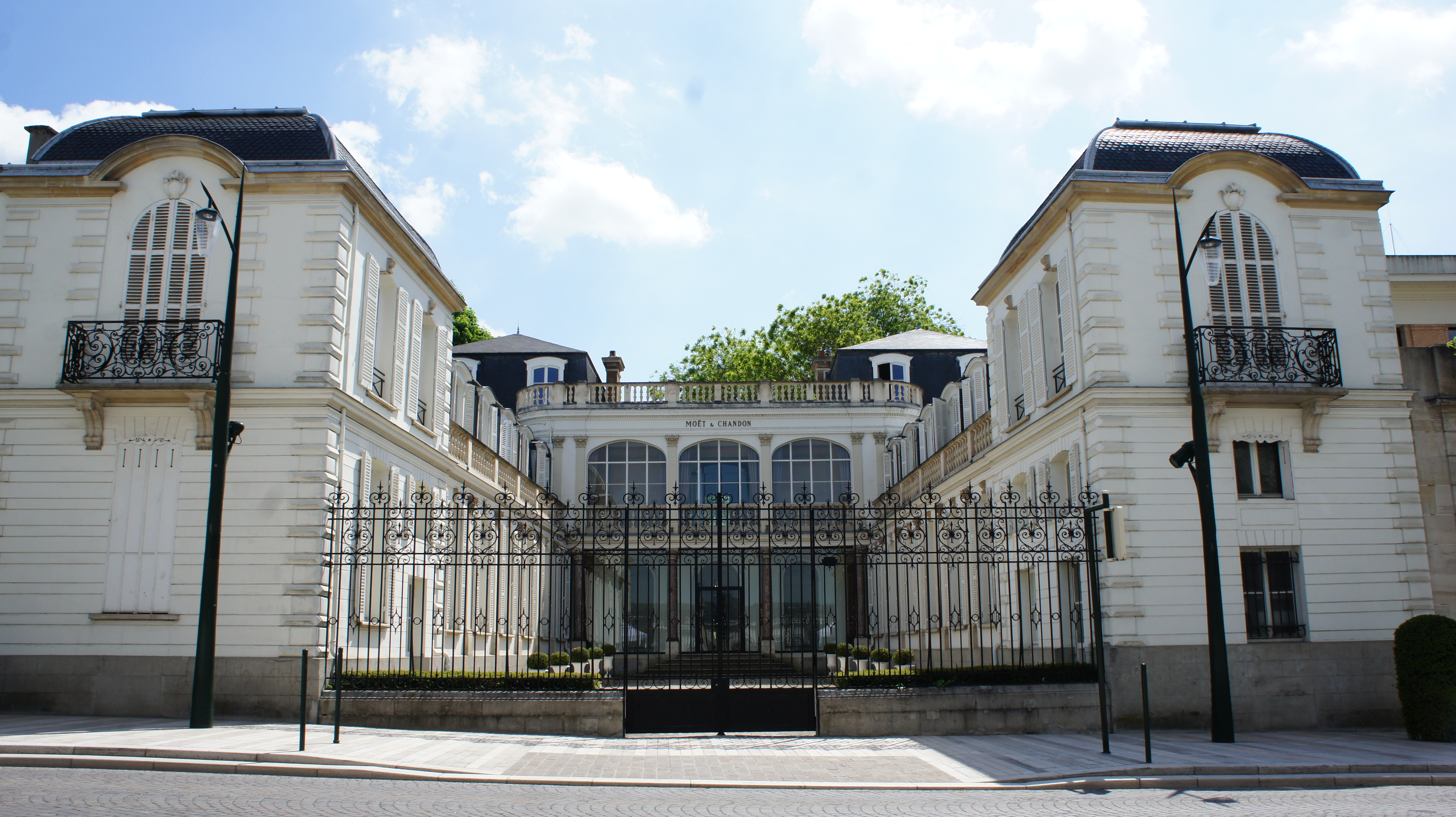
 France
About
Claude Moët opened his doors in Épernay in 1743, initially trading wine before establishing his own production facilities. The house grew steadily over the 18th and 19th centuries, gaining fame among European royalty and aristocracy. A pivotal moment arrived in 1869 with the creation of Brut Impérial, a blend designed to highlight the region's character while offering a dry, crisp profile that appealed to a broader audience. This cuvée remains the backbone of their portfolio today.
In the 20th century, the business expanded significantly, eventually becoming part of the Moët Hennessy group before merging into the LVMH conglomerate. This acquisition solidified its position as a global luxury leader. The brand has maintained its roots in the Champagne region while adapting to modern distribution channels and consumer habits. Recent years have seen the company explore new formats, such as ready-to-drink beverages, to engage younger demographics without diluting its prestigious image.
Mission
The organization aims to preserve the heritage of Champagne while adhering to strict quality standards that balance traditional craftsmanship with modern industrial efficiency. It seeks to deliver consistent excellence across all product lines while expanding its cultural relevance through strategic partnerships and experiential marketing.
History
Claude Moët opened his doors in Épernay in 1743, initially trading wine before establishing his own production facilities. The house grew steadily over the 18th and 19th centuries, gaining fame among European royalty and aristocracy. A pivotal moment arrived in 1869 with the creation of Brut Impérial, a blend designed to highlight the region's character while offering a dry, crisp profile that appealed to a broader audience. This cuvée remains the backbone of their portfolio today.
In the 20th century, the business expanded significantly, eventually becoming part of the Moët Hennessy group before merging into the LVMH conglomerate. This acquisition solidified its position as a global luxury leader. The brand has maintained its roots in the Champagne region while adapting to modern distribution channels and consumer habits. Recent years have seen the company explore new formats, such as ready-to-drink beverages, to engage younger demographics without diluting its prestigious image.
Subdivisions
Impérial Series
The core range including Brut Impérial and Rosé Impérial, representing the house's signature style.
LVMH Vins d'Exceptions
A program under the parent umbrella that manages other renowned wine estates alongside Moët & Chandon.
Notable People
Claude Moët
Founder · 1743–1790s
Established the house in Épernay and built early trade networks.
Pharrell Williams
Creative Partner · 2026–Present
Launched summer collaborations and Saint-Tropez takeovers blending music and fashion.
Roger Federer
Brand Ambassador · 2026–Present
Replaced Scarlett Johansson to signal a shift toward high-profile sports endorsements.
Milestones
1743
Claude Moët establishes the wine merchant house in Épernay.
1869
Launch of the signature Brut Impérial blend.
2026
Introduction of the first Ready-to-Drink beverage, Moët Serve, debuting at the US Open.
2026
Return as title partner for the Formula 1 Belgian Grand Prix.
September 2026
Named title sponsor for the 2027 Formula 1 Australian Grand Prix.
Sources
Organization Info
- Founded
- +1743
- Headquarters
- Épernay
- Country
- France
- Parent
- LVMH
- Type
- Other
- Founder
- Claude Moët
- Annual Production
- ~28 million bottles
- Vineyard Holdings
- ~1,190 hectares
Official Website
www.moet.com
Join the community
fans discussing