Mimar Sinan
Also known as: Koca Mi'mâr Sinân Âğâ, Sinan the Architect
Birthday
January 1, 1490
Birth Sign
Capricorn
Birthplace
Ağırnas, Kayseri, Ottoman Empire
Age
Died at 98
About
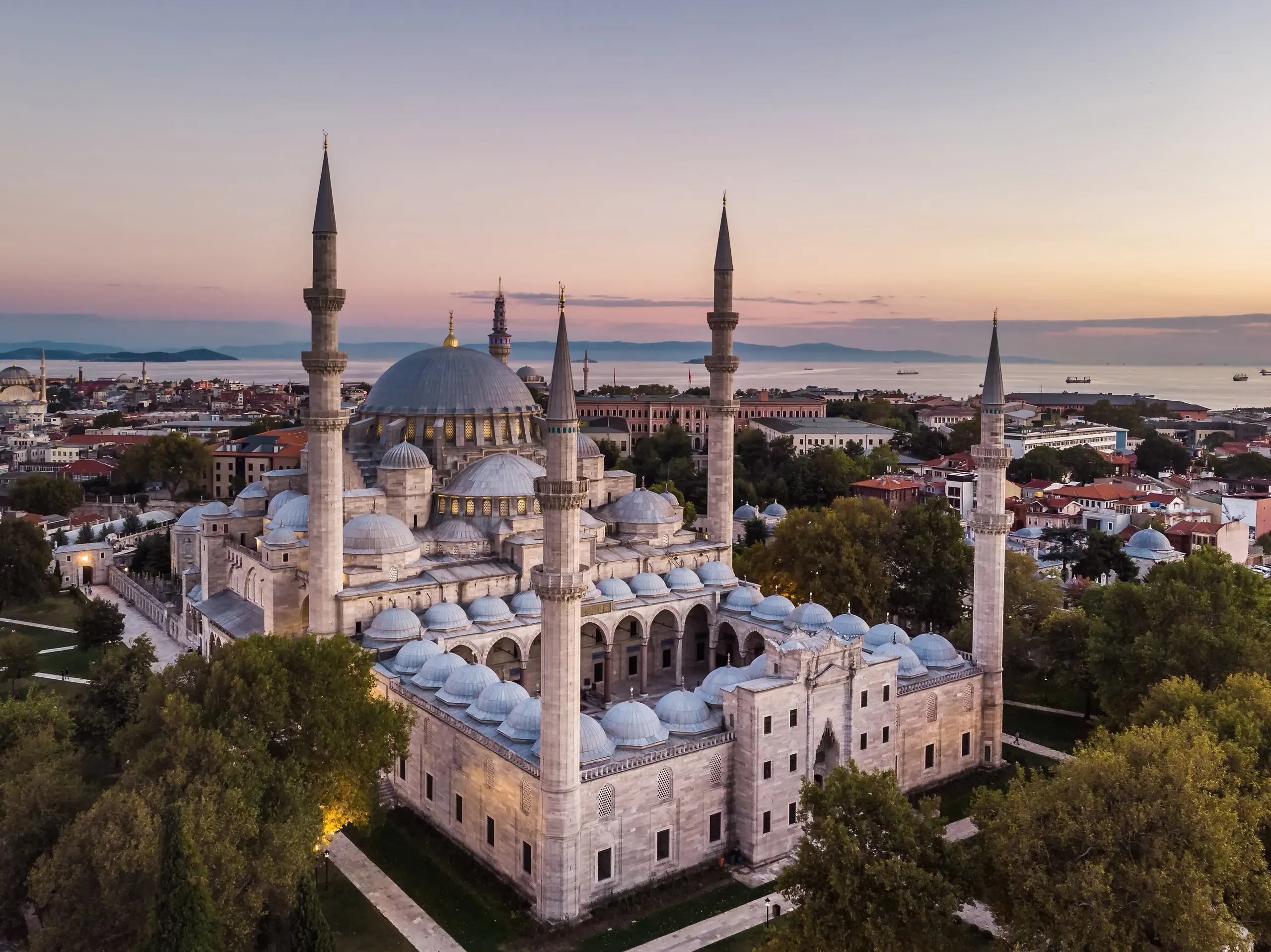
Mimar Sinan was an Ottoman architect and civil engineer who served as chief royal architect to sultans Suleiman the Magnificent, Selim II, and Murad III. He is credited with more than 300 major structures, including the Süleymaniye Mosque in Istanbul and the Selimiye Mosque in Edirne, the latter widely regarded as his masterpiece. His career spanned nearly fifty years at the head of imperial construction, and his apprentices went on to design the Sultan Ahmed Mosque in Istanbul and the Stari Most in Mostar. He is frequently compared to his contemporary Michelangelo, and his work is studied for its structural innovation and spatial harmony.
His buildings remain major heritage landmarks, and his name is carried by universities, schools, hospitals, and civic institutions across Turkey. Recent restoration work on the Süleymaniye and Selimiye mosques has renewed scholarly and public attention to his methods, and experts continue to debate the principles behind his designs.
Early Life & Background
Sinan was born around 1490 in Ağırnas, a village near Kayseri in central Anatolia, the son of a stonemason. He received a technical education and was conscripted into the Janissary corps through the devşirme system, the Ottoman practice of enrolling non-Muslim boys for state service. He served as a military engineer, rising to officer and commander rank. On campaign he built fortifications, roads, bridges, and aqueducts, refining the skills he would later apply to imperial architecture. Around age fifty he was appointed chief royal architect of the palace, overseer of all Ottoman imperial construction. That appointment marked the start of his public career, and everything before it belongs to his early life and military service. His birthplace in Ağırnas has been preserved and interpreted for visitors for 25 years by a local guide.
Career Growth
As chief royal architect, a post he held for nearly fifty years, Sinan oversaw the construction of more than 300 major structures. His key works include the Süleymaniye Mosque complex in Istanbul, built for Suleiman; the Selimiye Mosque in Edirne, regarded as his masterpiece; the Kılıç Ali Paşa Mosque (1580–1587); the Mihrimah Sultan Mosque on one of Istanbul's seven hills; the Kanuni Sultan Suleiman Bridge at Büyükçekmece; and the Mehmed Paša Sokolović Bridge at Višegrad. His apprentices included Sedefkar Mehmed Agha, who designed the Sultan Ahmed Mosque, and Mimar Hayruddin, who designed the Stari Most in Mostar. Recent restorations of the Süleymaniye and Selimiye mosques have revealed architectural secrets and 450-year-old decorative layers, and experts continue to study his methods. His first chief-architect mosque in Istanbul was profiled in March 2026, and Forbes in February 2025 highlighted five visitable Sinan masterpieces in Istanbul.
Career Timeline
Public Image & Style
In the centuries since his death, Sinan has become a symbol of Ottoman architectural achievement. His name is synonymous with the classical Ottoman style, and his buildings are studied for their structural innovation and spatial harmony. Modern restoration projects and heritage campaigns frequently invoke his principles, and he is routinely described as the greatest Ottoman architect. His public image is that of a master builder whose works define the skyline of Istanbul and Edirne.
Fame & Fandom (iFAMOUS Rankings)
iFANN has not yet collected fame data for Mimar Sinan, so no ranking is available. He is not on the September 2026 iFAMOUS Rankings flagship list. His renown rests on his buildings rather than on modern celebrity metrics. The fanbase, such as it is, consists of historians, architects, and heritage enthusiasts; there is no formal fandom name or organized fan culture documented. Visitors to his mosques and bridges form a loose community of admirers, and restoration news draws attention from specialists and the public alike.
Interesting Facts and Legends
Sinan is often compared to Michelangelo, his contemporary in the West. The most retold story is his ambition to surpass Hagia Sophia's dome, culminating in the Selimiye's dome, which he considered his finest achievement; the rivalry with Michelangelo is widely repeated but not contemporaneously documented. A popular legend links him romantically to Mihrimah Sultan, Suleiman's daughter, but this is folklore, not confirmed history. His name is carried by a football club, a dredger vessel, and a children's play. The question of his ethnic origin, whether Greek, Armenian or Turkish, is debated by historians and not settled. He was approximately ninety-eight when he died, having served three sultans.
Family & Personal Life
Sinan was the son of a stonemason, and his early training in the trade came from his father. The existing profile lists a spouse named Fatma Nur, though this name does not appear in the retrieved English-language sources and should be treated as unverified. No children are documented in the available material. Beyond these bare facts, the historical record is thin, and later legends, including the romantic link to Mihrimah Sultan, are folklore rather than confirmed history.
Notable Connections
Relationships & Dating History
The historical record on Sinan's personal relationships is thin. The existing profile lists a spouse named Fatma Nur, but this name does not appear in the retrieved English-language sources and should be treated as unverified. No other marriages, divorces, or documented romantic relationships are attested. A popular legend links him romantically to Mihrimah Sultan, Suleiman's daughter, but this is folklore, not confirmed history. As of 2026, Sinan is deceased (1588) and has no living partner.
- MarriedFatma NurListed in existing profile but unverified in English-language sources.
Death & Aftermath
Died
July 17, 1588 (aged 98)
Death Place
Istanbul, Ottoman Empire
Cause of Death
Unknown
Mimar Sinan died in Istanbul on 17 July 1588, at roughly ninety-eight years old. The historical record does not preserve the circumstances of his final illness or the cause of his death, and no contemporary account of his last days survives. What is documented is that he held the office of chief royal architect until near the end of his life, having served three sultans across nearly five decades.
His tomb is traditionally located near the Süleymaniye Mosque in Istanbul, the complex he built for Suleiman the Magnificent. No formal investigation or inquest followed, as none would have been expected for a man of his age and standing in the sixteenth century. The absence of a recorded cause has not stopped later writers from speculation, but the sources are silent and the matter remains undetermined.
Public reaction at the time is not documented in the retrieved sources. The tributes that can be verified are posthumous and institutional. His name is carried by Mimar Sinan Fine Arts University in Istanbul, by schools, hospitals, a football club, a dredger vessel, and a children's play. The Süleymaniye Mosque has undergone restoration that revealed architectural secrets, the Selimiye Mosque reopened after major restoration in June 2026 with 450-year-old decorative layers uncovered, and experts in December 2025 called for restorations of historic mosques to follow Sinan's principles. His birthplace in Ağırnas has been preserved and interpreted for visitors for 25 years.
No estate disputes or family statements are recorded. What followed his death was the continuation of the office he had shaped and the slow accumulation of a reputation that has outlasted every sultan he served. Commemoration has been civic and educational rather than monumental, which is perhaps the most durable form of remembrance an architect can receive.
Net Worth (Estate Value)
$0
iFANN Editorial Team estimate
Mimar Sinan lived in the sixteenth century. The iFANN Editorial Team does not assign a modern financial value to historical figures whose assets and income are not documented in any reliable form. His compensation as chief royal architect would have come from the Ottoman state, but records of his personal wealth are not available. Any figure would be speculative. For this reason, net worth is listed as $0, reflecting the absence of data rather than a claim of poverty.
Awards & Accolades
View 3 records, honours and achievementsKnown For
Selimiye Mosque
1568–1574 · Architect
Süleymaniye Mosque
1550–1557 · Architect
Kılıç Ali Paşa Mosque
1580–1587 · Architect
Mehmed Paša Sokolović Bridge
1577 · Architect
Kanuni Sultan Suleiman Bridge
1567 · Architect
Keywords
Sources
Quick Facts
- Profession
- architect, civil engineer
- Born
- c. 1490
- Birthplace
- Ağırnas, Kayseri
- Died
- 17 July 1588
- Death Place
- Istanbul
- Gender
- Male
- Spouse
- Fatma Nur (unverified)
- Structures
- 300+ major works
Personal Details
- Full Name
- Koca Mi'mâr Sinân Âğâ
- Spouse
- Fatma Nur (unverified)
- Education
- Technical education; Janissary corps (devşirme system)
Frequently Asked Questions
What was Mimar Sinan famous for?
Is Mimar Sinan Armenian?
Which mosque did Mimar Sinan build?
How did Mimar Sinan die?
What are Mimar Sinan's most famous works?
Join the community
fans discussing