Mikio Ikemoto
 Japan
JapanBirthday
January 13, 1977
Birth Sign
Capricorn
Birthplace
Japan
Age
49 years old
About
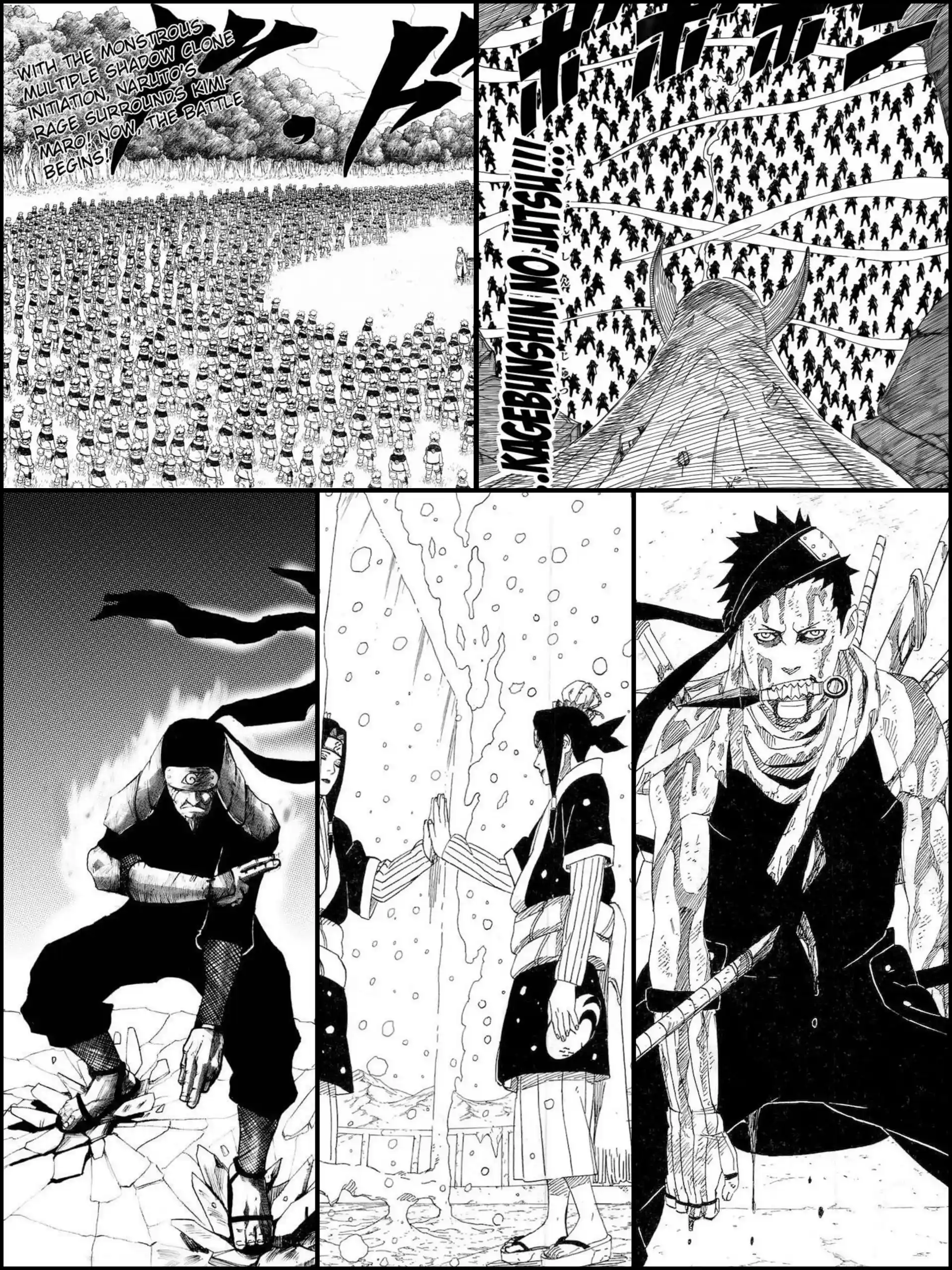
Mikio Ikemoto is a Japanese manga artist and illustrator best known for his long tenure as the chief assistant to Masashi Kishimoto on the Naruto franchise and his subsequent role as the lead illustrator of its sequel, Boruto: Naruto Next Generations. Born in 1977, he spent the first fifteen years of his career honing his craft behind the scenes before stepping into the global spotlight. His work has defined the visual identity of one of the world's most successful shonen franchises for over two decades.
As of 2026, Ikemoto continues to serialize Boruto: Two Blue Vortex, navigating significant narrative shifts and fan reception while maintaining the high production standards established during the original series. He is recognized for his ability to balance dynamic action sequences with expressive character work, adapting the legacy of Naruto for a new generation of readers without losing the core spirit of the story.
Early Life & Background
Mikio Ikemoto was born on January 13, 1977, in Japan, though specific details regarding his birthplace city, parents' names, or early childhood upbringing remain unpublicized. Like many manga artists of his generation, he pursued an interest in art during his youth and entered the industry through the traditional apprenticeship system common in Japan. Before achieving fame, Ikemoto worked as a background artist and assistant, mastering the technical demands of serialization under tight deadlines. His pivotal moment occurred in 1999 when he joined Masashi Kishimoto's team as a chief assistant for Naruto, a position he held until the original series concluded in 2014. During this period, he was instrumental in refining character designs, managing complex layouts, and ensuring visual consistency for one of the world's most successful shonen franchises.
The transition from a background artist to a key creative force took place quietly over nearly a decade. While Kishimoto focused on the overarching plot and writing, Ikemoto handled much of the heavy lifting regarding the artwork. He helped shape the visual identity of Naruto, working on key arcs and character development while Kishimoto maintained the narrative direction. This era established his reputation for high-quality, dynamic action sequences and expressive character work. By the time the original series ended, Ikemoto had become an indispensable part of the creative process, effectively serving as the right-hand man who kept the machine running smoothly.
Career Growth
Following the conclusion of Naruto Shippuden in 2014, Ikemoto transitioned to lead illustrator for the sequel series, Boruto: Naruto Next Generations, which began serialization in 2015 and officially launched in 2016. Working alongside writer Ukyō Kodachi initially, and later with other writers, he adapted the story to follow the next generation of ninja. The series quickly became a major commercial success, continuing the legacy of the original franchise with millions of copies sold worldwide. In 2018, he contributed as a video game writer for Naruto to Boruto: Shinobi Striker, expanding his involvement beyond print media.
In recent years, Ikemoto has faced the challenge of evolving the story while managing intense scrutiny from the fanbase. In 2024, he traveled to Paris with Masashi Kishimoto to meet fans at a major event, highlighting his status as a leading figure in the franchise. As of mid-2026, he is actively working on Boruto: Two Blue Vortex, the second arc of the sequel. Recent news indicates a push toward resolving long-standing plot threads, with some headlines suggesting the series may be approaching a climactic phase after a period of criticism. The serialization continues to draw massive attention, proving his ability to sustain a global phenomenon.
Career Timeline
Public Image & Style
Ikemoto is viewed as a dedicated craftsman who successfully carried a legacy franchise. He is respected for his ability to maintain the visual tone of Naruto while introducing new characters. Recent coverage highlights his openness about the difficulties of the job, humanizing him as a creator facing immense pressure. He is known for a professional demeanor in interviews and rarely photographs himself in casual settings. His defensive stance against online criticism regarding his art style suggests a deep investment in the integrity of his work.
Fame & Fandom
iFANN has not yet collected fame data for Mikio Ikemoto. The lack of a published ranking reflects the fact that he operates largely in the shadow of Masashi Kishimoto within the Western market, despite his central role in the franchise's modern era. While Naruto and Boruto enjoy massive global popularity, Ikemoto's individual fame has not reached the same threshold as the original creator in terms of standalone recognition metrics.
Fans generally refer to themselves as part of the broader "Naruto/Boruto fandom" rather than a specific sub-group for Ikemoto. The fandom is highly organized, with significant campaigns for volume releases and anime premieres. Fan reactions to Ikemoto's art style have been mixed but largely supportive, especially regarding the "Two Blue Vortex" era where his distinct style became more pronounced. One notable instance of fan engagement involved his sparse Instagram account, where he addressed haters directly, stating that there are haters everywhere and urging people to give him a chance because Kishimoto started bad. This interaction highlighted the intense scrutiny he faces and the loyalty of those who defend his artistic choices.
Interesting Facts and Legends
Ikemoto cited the Matrix trilogy as a direct influence on the storytelling structure of Boruto: Two Blue Vortex, blending cyberpunk aesthetics with ninja lore. Despite being the face of Boruto for over a decade, he remains less famous than Kishimoto in the West, often overshadowed by the original creator. He was the third assistant to join Kishimoto's team, distinguishing him from earlier assistants who may have left before the series gained traction. Fans often discuss the evolution of Boruto's design from a simple child to a complex ninja, crediting Ikemoto for making the character visually distinct yet recognizable as Naruto's son. On the difficulty of drawing Boruto, he noted that it gets harder to distinguish him from Naruto due to the strict restrictions placed on the character's depiction.
Notable Quotes
“It gets harder to distinguish him from Naruto.”
“There are many restrictions in his depiction... it's a nightmare to illustrate.”
“There is haters everywhere, y'all should give Ikemoto a chance cause kishimoto started bad...”
“It's really difficult regarding the polarizing nature of the Boruto legacy.”
Family & Personal Life
Mikio Ikemoto maintains an extremely low profile regarding his personal life. There are no credible public records, interviews, or media reports detailing any family members, siblings, or parents. Unlike many Western celebrities, he does not use social media for personal updates, nor has he discussed relationships in interviews. He appears to prioritize his privacy, keeping his personal life entirely separate from his professional achievements. No information about spouses, children, or domestic arrangements has been made public as of 2026.
Notable Connections
Relationships & Dating History
Mikio Ikemoto maintains an extremely low profile regarding his romantic life. There are no credible public records, interviews, or media reports detailing any dating history, engagements, marriages, or children. Unlike many Western celebrities, he does not use social media for personal updates, nor has he discussed relationships in interviews. As of 2026, his relationship status is officially unknown, with no confirmed partners or family members mentioned in public sources. He appears to prioritize his privacy, keeping his personal life entirely separate from his professional achievements.
Salary, Net Worth In 2026
$3 Million
iFANN Editorial Team estimate
Exact financial figures for Mikio Ikemoto are not publicly disclosed, as is standard for manga artists who often work under contract with publishers like Shueisha. Estimates vary based on royalty structures and serialization fees. Research by the iFANN Editorial Team puts his fortune at around $3 Million. Wealth is primarily derived from manga serialization royalties, book sales, and potential profit-sharing from the Boruto anime adaptation and video games. Real estate holdings and business ventures outside of his publishing contracts are unconfirmed. The figure represents a conservative estimate based on typical earnings for top-tier manga artists in the Japanese market who have led a franchise of this magnitude for over a decade.
Awards & Accolades
Known For
Naruto
2002 · Chief Assistant / Illustrator
Boruto: Naruto Next Generations
2016 · Lead Illustrator
Boruto: Two Blue Vortex
2023 · Lead Illustrator
Keywords
Sources
Quick Facts
- Profession
- mangaka, illustrator
- Born
- January 13, 1977
- Birthplace
- Japan
- Gender
- Male
- Birth Sign
- Capricorn
Personal Details
- Full Name
- Mikio Ikemoto
- Children
Filmography
3
Total
0
Film
0
TV
Frequently Asked Questions
Who is Mikio Ikemoto?
When was Mikio Ikemoto born?
Is Mikio Ikemoto married?
Why did Mikio Ikemoto draw Boruto differently?
What is Mikio Ikemoto's latest project?
Social Media
Similar People
Join the community
fans discussing