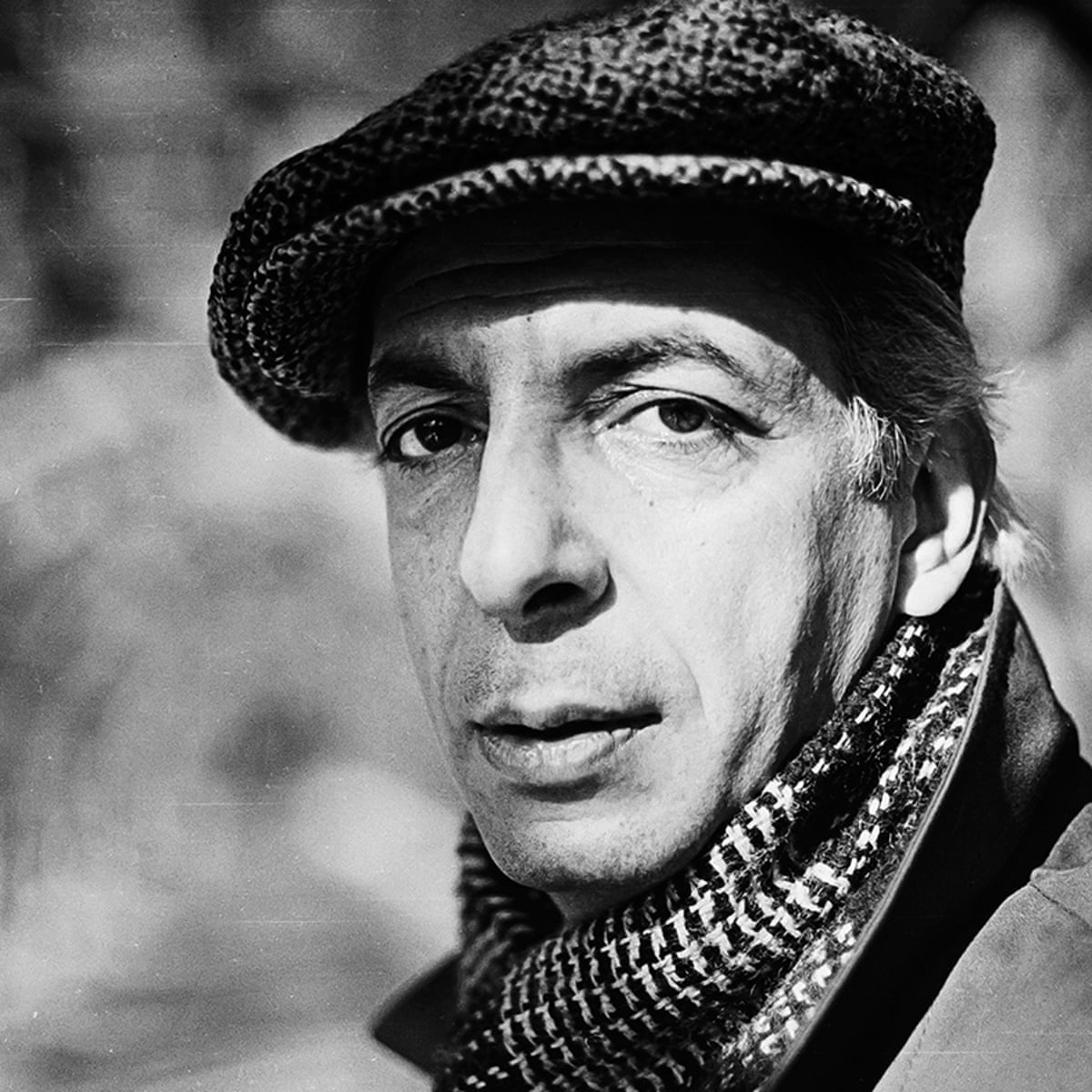
Mikael Tariverdiev
 Russia
Birthday
August 15, 1931
Birth Sign
Leo
Birthplace
Tbilisi
Age
Died at 64
About
Mikael Tariverdiev was a Soviet composer of Armenian descent whose film scores became the sonic signature of an era. Born in Tbilisi on August 15, 1931, he wrote music for more than 100 films and television productions, shaping the emotional landscape of Soviet cinema for decades. His work on the television series Seventeen Moments of Spring and the films The Irony of Fate and Goodbye, Boys! turned him into a household name across the USSR, even as he remained largely unknown in the West during his lifetime.
Tariverdiev led the Composers' Guild of the Soviet Cinematographers' Union from its founding, a role that placed him at the center of the country's film music establishment. His style fused classical structure with a modern, accessible lyricism, earning comparisons to a "surf-rock Shostakovich." Since his death in 1996, his music has found a second life through reissues and compilations, introducing his work to a new generation of listeners worldwide.
Early Life & Background
Tariverdiev showed musical promise early. At thirteen, he wrote his first ballet, a remarkable feat for a teenager. His student compositions were performed alongside works by established composers, signaling his potential. Growing up in Tbilisi, he absorbed a rich cultural mix of Armenian, Georgian, and Russian influences that would later color his music. He pursued formal training in composition, though details of his schooling remain scarce. His early works already displayed the melodic gift and dramatic instinct that would define his film scores. The path to cinema was not immediate; he initially focused on concert music before the pull of the screen proved irresistible.
Career Growth
Tariverdiev's breakthrough came with his score for the 1964 film Goodbye, Boys!, which showcased his ability to capture youthful longing and melancholy. But it was the television series Seventeen Moments of Spring (1973) that made him a cultural institution. Its haunting main theme, with its blend of jazz and classical elements, became instantly recognizable across the Soviet Union. He followed with the music for The Irony of Fate (1975), a film now watched by millions every New Year's Eve, its waltz as beloved as the movie itself. Over the next two decades, he scored over 130 films, including espionage thrillers and dramas, and served as head of the Composers' Guild of the Soviet Cinematographers' Union. In the 2010s, his work reached new audiences through the Film Music compilation, released by Earth Recordings, which brought his scores to international attention.
Career Timeline
Public Image & Style
Tariverdiev is remembered as one of the Soviet Union's most beloved and prolific film composers. His music is considered timeless, an integral part of the cultural heritage for multiple generations. Fans and critics alike praise his ability to evoke deep emotion, whether in the suspense of a spy thriller or the warmth of a romantic comedy. His style, marked by memorable melodies and subtle orchestration, continues to resonate, with his Spotify page drawing thousands of monthly listeners.
Fame & Fandom
Mikael Tariverdiev built a legacy defined not by modern fan clubs or viral campaigns, but by the quiet, ubiquitous presence of his melodies in Soviet cultural memory. For decades, his compositions served as the sonic backdrop to an entire generation's life, creating a form of appreciation that transcended organized fandom. There is no documented name for his supporters, nor are there records of fan-led rituals, autograph sessions, or grassroots projects; instead, his audience engaged through passive immersion and deep retrospective reverence. The story of his reception centers on the phenomenon surrounding Seventeen Moments of Spring, where the theme became a national anthem of sorts, instantly recognizable to millions without the need for active fan mobilization. Western critics later coined the phrase "surf-rock Shostakovich" to describe his unique fusion of classical gravitas and pop sensibility, a label that gained traction following posthumous reissues rather than contemporary hype. While digital platforms now host thousands of monthly listeners, the engagement remains a reflection of enduring artistic impact rather than interactive community building. His music continues to be licensed and streamed globally, keeping his work alive for new audiences who discover it through film and television archives. Despite this widespread recognition, iFANN has evaluated Mikael Tariverdiev, but he does not currently hold a placement in the published rankings (Global Top 1,000 or a Top-100 scope list).
Interesting Facts and Legends
Mikael Tariverdiev composed his first ballet at age thirteen, an early sign of his precocious talent. His music has been described as "surf-rock Shostakovich" for its blend of classical gravitas and pop sensibility. British musician Stephen Coates played a key role in reviving interest in Tariverdiev's work, curating the Film Music compilation. His score for Seventeen Moments of Spring was so popular that the series' theme became a standard performed by various artists. Despite his fame in the USSR, he was virtually unknown in the West until recent reissues. A widely retold story concerns the immense cultural weight of the Seventeen Moments of Spring theme, which transcended the miniseries to become a defining sound of the Soviet era, often cited as one of the most recognizable pieces of music in Russian history. Another narrative frames Tariverdiev as a unique fusion of genres, with critics noting how his complex classical training merged with rhythmic, jazz-infused sounds to create an atmosphere of intrigue that shaped the public's view of Soviet spies.
Family & Personal Life
Tariverdiev married Vera Tariverdieva, who became a devoted advocate for his music after his death. She has spoken publicly about the timelessness of his compositions, ensuring his legacy endures. Details about his parents, siblings, and children remain private, as he kept his personal life largely out of the spotlight.
Notable Connections
Relationships & Dating History
Tariverdiev was married to Vera Tariverdieva, who survives him. Their marriage was a long and supportive partnership, with Vera becoming a guardian of his musical legacy after his death. She has given interviews about his work and continues to promote his music. Details of any earlier relationships are not publicly documented.
- MarriedVera TariverdievaMarried until his death; she remains a strong advocate for his music.
Death & Aftermath
Died
July 25, 1996 (aged 64)
Death Place
Unknown
Cause of Death
Unknown
By the mid-1990s, Mikael Tariverdiev remained a towering figure in Moscow's cultural life, having led the Composers' Guild of the Soviet Cinematographers' Union for years while continuing to compose for new generations of filmmakers. On July 25, 1996, at the age of 64, he passed away, though the specific location of his final moments and the medical details surrounding his death were never made public by his family or official sources. The absence of reports regarding an investigation suggests a natural passing that did not require legal scrutiny, leaving the precise circumstances of his final days undocumented in available records. While immediate tributes or funeral arrangements were not widely reported in public archives, the artistic community quickly recognized the magnitude of the loss. His widow, Vera Tariverdieva, stepped forward as a devoted guardian of his legacy, speaking publicly about the timelessness of his compositions to ensure they endured beyond his physical presence.
Her advocacy proved pivotal as interest in his work began to swell decades later, transforming him from a Soviet household name into an internationally celebrated figure. The posthumous era for Tariverdiev has been defined by a remarkable resurgence rather than immediate mourning rituals. In November 2015, international outlets like The Guardian began describing him as a surf-rock Shostakovich, sparking renewed global attention. This momentum culminated in the 2016 release of the Film Music compilation, which introduced his scores to new audiences worldwide, followed by the 2017 double album Olga Sergeevna dedicated to one of his television series.
Net Worth (Estate Value)
$5 Million
iFANN Editorial Team estimate
As of 2026, iFANN currently estimates Mikael Tariverdiev's estate value at $5 Million. This figure reflects the ongoing revenue from his extensive catalog of film scores, which continue to be licensed for use in films, television, and streaming platforms. The posthumous release of the Film Music compilation in 2015 sparked renewed interest, boosting royalties. His music is available on major streaming services, generating steady income. The estate, managed by his widow Vera Tariverdieva, also benefits from the enduring popularity of his most famous works, such as Seventeen Moments of Spring and The Irony of Fate, which remain cultural touchstones in Russia.
Awards & Accolades
View 1 records, honours and achievementsKnown For
Seventeen Moments of Spring
1973 · Composer
The Irony of Fate
1975 · Composer
Goodbye, Boys!
1964 · Composer
Keywords
Sources
Quick Facts
- Profession
- composer, film score composer
- Born
- August 15, 1931
- Birthplace
- Tbilisi
- Died
- July 25, 1996
- Death Place
- Sochi
- Gender
- Male
- Birth Sign
- Leo
Personal Details
- Spouse
- Vera Tariverdieva
Filmography
130
Total
100
Film
30
TV
Frequently Asked Questions
Who was Mikael Tariverdiev?
What is Mikael Tariverdiev most famous for?
When was Mikael Tariverdiev born and when did he die?
Is Mikael Tariverdiev's music still popular in 2026?
What is Mikael Tariverdiev's net worth in 2026?
Social Media
Join the community
fans discussing