
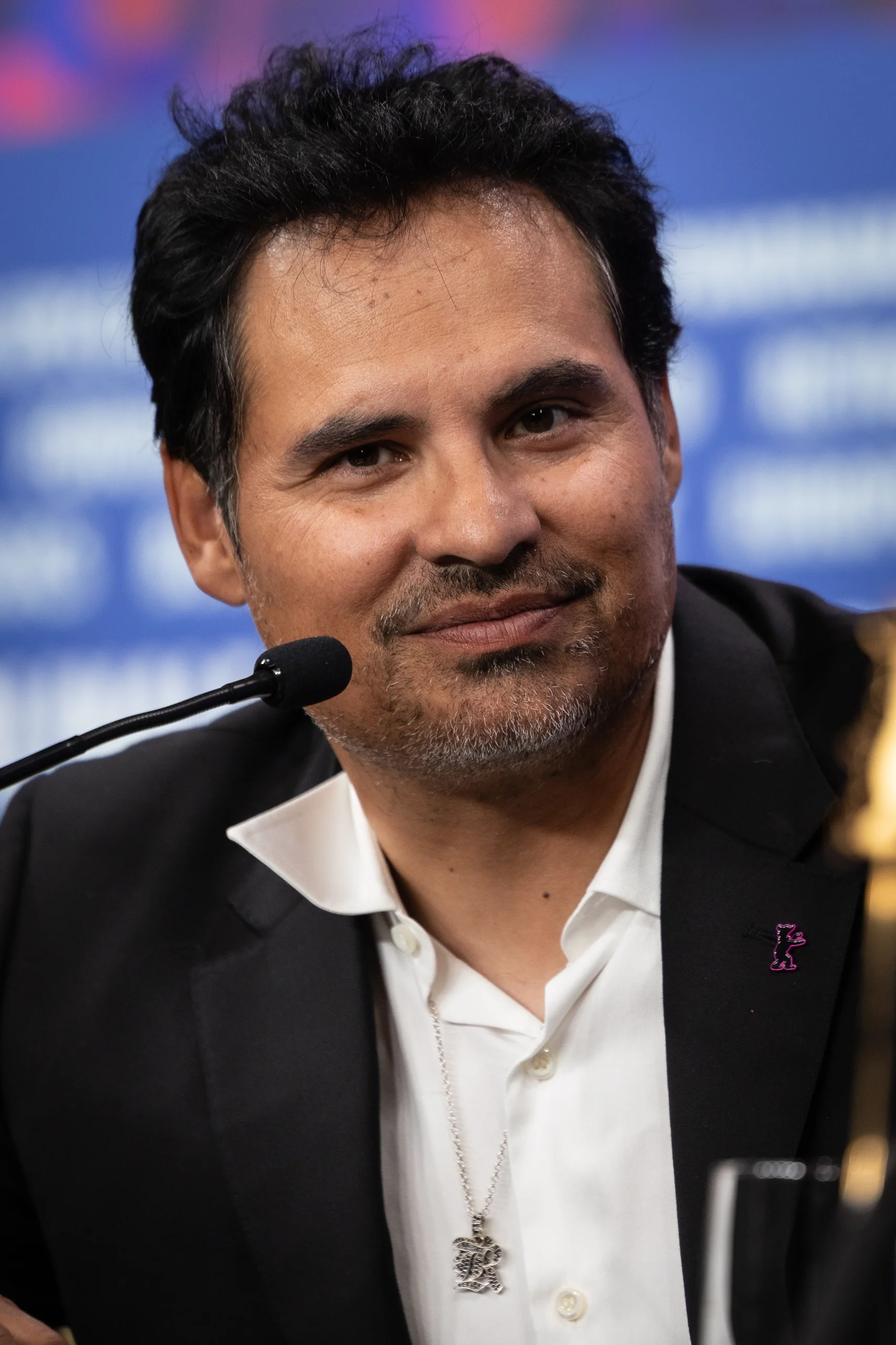
Miguel Treviño Morales
 Mexico
Also known as: Z-40, El Taliban, Miguel Ángel Treviño Morales
Birthday
November 18, 1973
Birth Sign
Scorpio
Birthplace
Nuevo Laredo, Tamaulipas, Mexico
Age
52 years old
About
Miguel Ángel Treviño Morales, known to the world by his alias Z-40, rose from a working-class family in Nuevo Laredo to become one of the most dangerous figures in Mexican history. Born on November 18, 1973, he started his criminal path as a teenager with a local gang called Los Texas. His ability to speak fluent English and navigate the U.S.-Mexico border made him an ideal recruit for Osiel Cárdenas Guillén in the late 1990s. This partnership launched Treviño Morales into the upper echelons of organized crime, where he eventually led the violent enforcement wing known as Los Zetas.
His career accelerated rapidly after 2005 when he secured drug trafficking routes against the Sinaloa Cartel in Nuevo Laredo. Authorities moved him to Veracruz following the death of Efraín Teodoro Torres, and later sent him to Guatemala to eliminate rivals. By 2008, Heriberto Lazcano Lazcano appointed him national commander of Los Zetas. The organization split from their former allies, the Gulf Cartel, in 2010, sparking a brutal internal war. Treviño Morales earned a terrifying reputation through acts of extreme violence, including the 2010 massacre of 72 migrants and the 2011 killing of 193 people. He popularized el guiso, a torture method involving burning victims alive in oil drums filled with fuel.
Mexican Marines captured him without firing a shot on July 15, 2013, in Nuevo León. At that time, the government offered a reward of 30 million pesos for his arrest, while the United States Department of State promised up to $5 million. Some records suggest he was detained in Texas earlier in December 2012 on money laundering charges, though official confirmation remained elusive until the federal raid. Following his capture, his younger brother Omar Treviño Morales took over leadership of the cartel. Both brothers faced extradition to the United States, with reports indicating they would be transferred on February 27, 2025.
Early Life & Background
Miguel Ángel Treviño Morales entered the criminal underworld at a young age within the border city of Nuevo Laredo, Tamaulipas. Born into a large working-class family with six brothers and six sisters, he grew up in a region defined by its proximity to the United States and the constant flow of illicit trade across the Rio Grande. While many of his peers were drawn into street-level crimes, Miguel's fluency in English set him apart early on. This linguistic skill proved invaluable in a town where cross-border operations were routine but often required direct communication with American contacts.
His first significant step into organized crime came during his teenage years when he joined Los Texas, a local gang operating out of Nuevo Laredo. This group served as a training ground where he learned the ropes of territorial control and violence. His reputation for efficiency and ruthlessness quickly caught the eye of higher-ups within the Gulf Cartel. In the late 1990s, Osiel Cárdenas Guillén, the then-leader of the Gulf Cartel, recruited Miguel directly. This recruitment marked the transition from a local thug to a key player in a massive transnational drug empire.
The Gulf Cartel was expanding its reach and needed reliable enforcers who could operate on both sides of the border. Miguel's background made him perfect for this role. He began working closely with the cartels' military wing, which would eventually evolve into Los Zetas. Before his rise to the top, he spent years building a network of loyalists and mastering the logistics of moving narcotics across international lines. His early work involved securing supply routes and eliminating competition, setting the stage for his eventual command of one of the most feared criminal organizations in the world.
Career Growth
Treviño Morales ascended through the ranks of the Gulf Cartel and its enforcement arm, Los Zetas, with alarming speed. After 2005, he was tasked with protecting critical trafficking corridors in Nuevo Laredo from the encroaching Sinaloa Cartel. His success in these defensive operations led to a promotion that saw him relocated to Veracruz. There, he oversaw operations following the death of Efraín Teodoro Torres, further cementing his position as a trusted lieutenant. He was later dispatched to Guatemala to neutralize rival factions, showcasing his utility as a strategic operator beyond Mexico's borders.
In 2008, Heriberto Lazcano Lazcano, the leader of Los Zetas, appointed Treviño Morales as the national commander. This appointment placed him at the helm of a sprawling criminal enterprise responsible for kidnapping, extortion, and drug trafficking across the Americas. When Los Zetas formally split from the Gulf Cartel in 2010, the organization descended into a brutal civil war. Treviño Morales played a central role in this conflict, using his command to expand the cartel's territory and influence through sheer terror.
His tenure as national commander is defined by unprecedented levels of brutality. Under his leadership, Los Zetas became synonymous with sadistic violence, setting a new standard for cruelty in the Mexican drug war. Documented incidents include the 2010 massacre of 72 migrants in San Fernando and the 2011 killing of 193 people in a single location. He institutionalized el guiso, a horrific method of execution where victims are burned alive in oil drums. These tactics were not just about intimidation; they were a calculated strategy to dominate the market and deter law enforcement intervention.
On July 15, 2013, Mexican Marines captured Treviño Morales in Nuevo León without firing a single shot. The operation was a major victory for Mexican authorities, ending his reign as one of the country's most-wanted men. Following his arrest, his younger brother Omar Treviño Morales assumed control of the cartel. Both brothers were subsequently charged in the United States with extensive drug trafficking, firearm, and money-laundering offenses. In February 2025, they were extradited to the U.S., where they faced arraignment in Washington, D.C., and a massive prosecution effort involving nearly 5 million files presented by June 2025.
Career Timeline
Public Image & Style
To the general public and law enforcement agencies, Miguel Treviño Morales is viewed as a symbol of unchecked violence and corruption. His image is that of a ruthless warlord who prioritized power and profit over human life. Media portrayals often highlight his cold demeanor and the calculated nature of his attacks, painting him as a figure who operated with impunity for years.
Within the criminal underworld, he commanded respect through fear. His reputation for executing enemies in gruesome ways made him a formidable opponent. Criminal rivals knew that crossing him meant facing a fate worse than death. This reputation allowed him to consolidate power and expand the influence of Los Zetas across multiple states in Mexico and into Central America.
International observers and journalists have described him as a key architect of the modern drug war's brutality. His strategies shifted the landscape of organized crime in Mexico, forcing other cartels to adopt similar tactics to compete. The legacy of his leadership continues to influence the dynamics of drug trafficking and violence in the region long after his capture.
Fame & Fandom (iFAMOUS Rankings)
iFANN has not yet collected fame data for this person. As a result, there are no current global rankings or fame metrics available for Miguel Treviño Morales in the September 2026 evaluation cycle.
This individual does not have a formal fanbase or fandom community. Unlike entertainers or public figures who attract followers, Treviño Morales is known primarily through news reports, law enforcement records, and historical accounts of the Mexican drug war. Any discussion surrounding him is driven by true crime enthusiasts, researchers, and those interested in the history of organized crime rather than fans seeking to support or celebrate his life.
Interesting Facts and Legends
Miguel Treviño Morales is widely recognized by his alias Z-40, a designation used by law enforcement and the media to identify him. His nickname reflects his rank within the hierarchy of Los Zetas, where numbers often denote specific roles or positions. He is also known for his fluency in English, a rare trait among high-ranking cartel leaders that allowed him to communicate directly with American associates and evade detection more effectively.
The term el guiso (the stew) is inextricably linked to his legacy. This torture method involved placing victims in metal barrels filled with fuel and setting them on fire. It became a signature tactic of Los Zetas under his command, designed to maximize fear and send a clear message to rivals and communities alike. The graphic nature of this practice drew international condemnation and highlighted the extreme brutality of the organization.
Despite his infamy, little is known about his personal life outside of his criminal activities. He has no public record of marriage or children, and his family members have largely remained out of the spotlight. His younger brother Omar, who succeeded him as cartel leader, shares his name and alias pattern, leading to frequent confusion between the two figures. The connection between the brothers remains a key element in understanding the succession planning within Los Zetas.
Family & Personal Life
Miguel Ángel Treviño Morales was born into a large working-class family in Nuevo Laredo, Tamaulipas. He had six brothers and six sisters, creating a household that was likely tight-knit given the economic pressures of the border region. His upbringing in this environment exposed him early to the realities of poverty and the allure of quick money through illicit means.
His relationship with his siblings played a crucial role in his criminal trajectory. His younger brother, Omar Treviño Morales, alias Z-42, followed in his footsteps and eventually took over leadership of Los Zetas after Miguel's arrest in 2013. The bond between the two brothers was strong enough that Omar was able to maintain control of the organization even after his sibling's capture. Both brothers were later extradited to the United States together, facing joint prosecution for their roles in the cartel.
Outside of his immediate family, there is no public information regarding other relatives or extended family connections. His parents and other siblings have kept a low profile, avoiding media attention. The focus of public interest has remained almost exclusively on the criminal activities of Miguel and Omar, leaving the rest of the family shrouded in anonymity.
Notable Connections
Osiel Cárdenas Guillén, Heriberto Lazcano Lazcano, Omar Treviño Morales
Relationships & Dating History
Public records regarding Miguel Treviño Morales's romantic life are virtually non-existent. Unlike many high-profile figures who maintain visible relationships, Treviño Morales kept his personal life strictly separate from his criminal operations. There are no credible reports of marriages, engagements, or long-term partnerships documented in reliable sources.
His primary relationship appears to have been with his brother, Omar Treviño Morales. The two worked closely together in the cartel hierarchy, with Omar eventually succeeding Miguel as the leader of Los Zetas after his arrest in 2013. This familial bond was central to the continuity of the organization, allowing it to survive the loss of its top commander.
As of 2026, Treviño Morales is incarcerated in U.S. custody pending prosecution. With no public partner or spouse recorded, his status remains that of a solitary figure in the eyes of the law. The absence of a documented family life outside of his siblings adds to the mystery surrounding his personal motivations and daily existence before his capture.
Salary, Net Worth In 2026
$0
iFANN Editorial Team estimate
No credible financial estimates exist for Miguel Treviño Morales as of 2026. Unlike celebrities or business moguls, his wealth was derived entirely from illegal drug trafficking operations, making it impossible to track through traditional financial reporting channels. In 2013, Forbes analyzed the scale of his criminal empire and reported that prosecutors were seeking billions of dollars in assets for forfeiture. This figure represented alleged proceeds from drug sales and other illicit activities rather than a verified personal net worth.
The value of his empire fluctuated based on operational success and law enforcement pressure. Prosecutors targeted his assets aggressively, aiming to dismantle the financial infrastructure of Los Zetas. Despite the lack of a confirmed net worth figure, the sheer scale of his operations suggests he accumulated significant resources during his peak years. However, these funds were constantly at risk of seizure by authorities in both Mexico and the United States.
Following his extradition in 2025, any remaining assets would likely be subject to further legal proceedings and potential forfeiture. The U.S. government has been aggressive in pursuing criminal proceeds from cartel leaders, ensuring that much of the wealth generated during his reign is returned to victims or used to fund anti-drug initiatives. His financial legacy remains tied to the destruction of his organization and the ongoing legal battles surrounding his case.
Awards & Accolades
Known For
Los Zetas
2008-2013 · National Commander
Mexican Drug War
2010-2013 · Key Figure
Keywords
Sources
Quick Facts
- Profession
- drug trafficker
- Born
- November 18, 1973
- Birthplace
- Nuevo Laredo, Tamaulipas, Mexico
- Gender
- Male
- Birth Sign
- Scorpio
Personal Details
- Full Name
- Miguel Ángel Treviño Morales
- Children
Frequently Asked Questions
Who is Z-40?
When was Miguel Treviño Morales captured?
Was Z-40 extradited to the United States?
Who took over Los Zetas after Z-40?
What is Miguel Treviño Morales's net worth?
Similar People
Join the community
fans discussing