
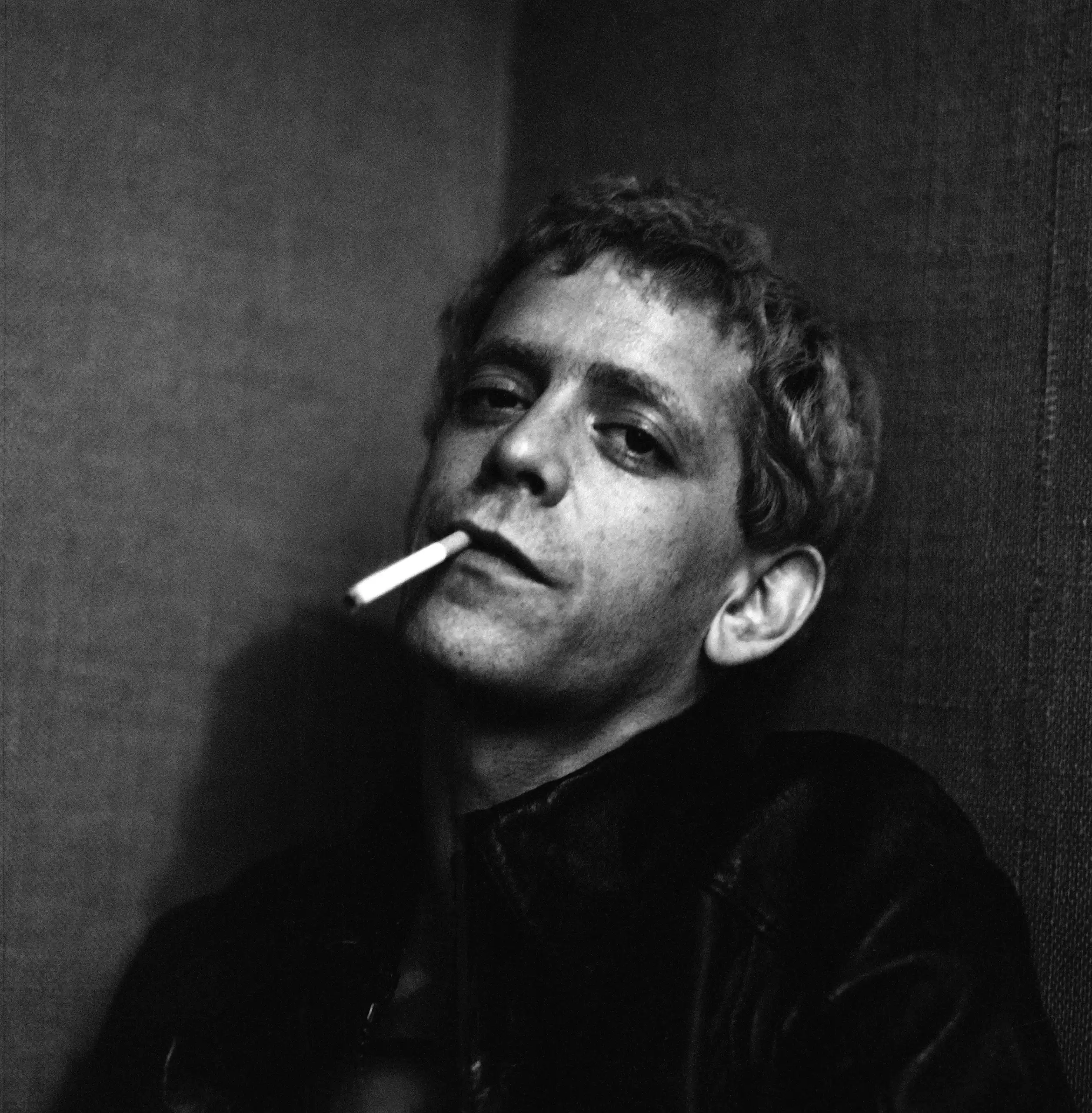
Mick Rock
photographer•music video director
Also known as: Michael Edward Chester Smith, The Man Who Shot the Seventies
Birthday
November 21, 1948
Birth Sign
Scorpio
Birthplace
Hammersmith, London
Age
Died at 72
About
Michael David Rock, born Michael Edward Chester Smith, was a British photographer and music video director who defined the visual language of the 1970s rock scene. He died on November 18, 2021, in Staten Island, New York, leaving behind an archive of images that shaped how the world remembers icons like David Bowie, Queen, and Iggy Pop. Known universally as "The Man Who Shot the Seventies," Rock didn't just document the era; he lived inside it, capturing the raw energy and theatricality of the glam rock movement.
His career spanned over five decades, during which he produced some of the most recognizable album covers and promotional photos in music history. From the alien persona of Ziggy Stardust to the black-and-white mystique of Queen's early albums, Rock's lens provided the definitive visual identity for a generation of musicians. Even after his death, his work continues to be exhibited globally and published in books that celebrate the golden age of rock photography.
Early Life & Background
Born Michael Edward Chester Smith in Hammersmith, London, on November 21, 1948, Rock grew up in a household where neither parent was involved in the arts; his father worked as a clerk and his mother as a seamstress. Seeking to shed his past and embrace a new identity aligned with the emerging counterculture, he legally changed his surname to "Rock" in his early years. Before finding his footing in photography, he navigated various odd jobs that would later inform his gritty aesthetic, including working as a bus conductor and a fashion model in London.
His formal education took him to the Central School of Art and Design, where he studied graphic design and photography. However, he dropped out before completing his degree to immerse himself in the burgeoning music scene of the late 1960s. During this formative period, he frequented underground clubs like the Roundhouse and the Speakeasy, photographing local bands and soaking in the atmosphere of a city on the brink of cultural revolution. These early years of observation and experimentation laid the groundwork for a career that would soon redefine rock imagery.
Career Growth
Rock's professional breakthrough arrived in 1972 when he photographed a then-unknown David Bowie for Melody Maker. That single assignment launched him into the stratosphere of rock photography, establishing him as the primary visual chronicler for the glam rock revolution. Throughout 1973 and 1974, he documented the rise of Ziggy Stardust, producing the iconic cover art for Aladdin Sane and countless promotional shots that cemented Bowie's alien persona in the public consciousness.
In 1975, he captured the seminal black-and-white image of Queen for their Queen II album cover, an image that remains one of the most reproduced photographs in rock history. His portfolio expanded rapidly to include the Sex Pistols, the Ramones, Blondie, Talking Heads, Roxy Music, Thin Lizzy, and Ozzy Osbourne. He also shot covers for Lou Reed's Transformer and Iggy Pop's The Idiot, solidifying his reputation as the go-to photographer for the era's most rebellious artists.
During the 1980s, Rock transitioned into music video direction, working with acts like Mötley Crüe and Joan Jett. His videos emphasized the theatrical nature of the bands' personas, extending his influence beyond still photography. In the 1990s and 2000s, he continued to shoot high-profile campaigns and magazine covers while publishing several books of his work, including Mick Rock: The Man Who Shot the Seventies. Even in his final years, he remained active, releasing retrospective exhibitions and collaborating on projects that celebrated his legacy until his passing in 2021.
Career Timeline
Public Image & Style
Rock is portrayed as a photographic poet who lived the music he captured. His public image is one of authenticity and immersion; he wasn't just an observer but a participant in the scenes he documented. Known for a rugged, unpretentious look that mirrored the rock stars he photographed, he often dressed casually to fit seamlessly into backstage environments. His work is characterized by a gritty, high-contrast style that emphasized the emotional intensity of the performers, earning him respect as a master of the medium rather than just a celebrity photographer.
Fame & Fandom
iFANN has not yet collected fame data for this person. While Rock himself does not have a formal fandom name, fans of 1970s rock culture, particularly those interested in Bowie, Queen, and punk, revere his work. Fan communities often share his images on social media platforms, creating a digital archive of his contributions. There have been fan campaigns to preserve his work and ensure his legacy is recognized in museums and galleries, with enthusiasts frequently organizing viewings of his exhibitions and discussing his impact on rock photography.
Interesting Facts and Legends
Rock was born Michael Edward Chester Smith, a name he legally changed to reflect his desire to align with the music world. Before his photography career took off, he worked as a bus conductor in London, a job he often referenced as a formative experience that taught him about people and movement. His relationship with David Bowie was so close that he lived with the star during the Ziggy Stardust era, allowing him to capture intimate moments that other photographers missed.
He served as the official photographer for The Rocky Horror Picture Show, documenting the chaotic and creative process of its production. A legendary moment in his career occurred during the 1972 Ziggy Stardust shoot, where his decision to photograph Bowie in full costume created the definitive image of the alien rock star. Another iconic moment was the 1974 Queen II cover, where his use of white wigs and makeup resulted in an image synonymous with the band's early sound.
Notable Quotes
“I didn't want to be a musician; I wanted to be the guy who caught the light.”
“David was a genius, and I was just lucky enough to be there.”
“The camera is my weapon, and the rock star is my target.”
Family & Personal Life
Rock kept his private life largely out of the spotlight, and no major biographical sources provide a detailed account of his dating history or marriages. Unlike many of his subjects, he prioritized his art and the rock community over traditional family structures. There are no verified reports of a spouse, long-term partner, or offspring. While he maintained intense friendships and collaborations with musicians, he remained single throughout his life. As of his death in 2021, he had no publicly acknowledged immediate family members beyond extended relatives.
Notable Connections
Relationships & Dating History
Information regarding Mick Rock's romantic relationships is scarce in public records, and no major biographical sources provide a detailed chronological account of his dating history, marriages, or children. Unlike many of his subjects, Rock kept his private life largely out of the spotlight. While he was known for his intense friendships and collaborations with musicians, there are no verified reports of a spouse, long-term partner, or offspring. As of his death in 2021, he was considered single with no publicly acknowledged family members beyond extended relatives. The lack of information suggests he prioritized his art and the rock community over traditional family structures or public relationship narratives.
Death & Aftermath
Died
November 18, 2021 (aged 72)
Death Place
Staten Island, New York
Cause of Death
Illness (unspecified)
Michael David Rock passed away on November 18, 2021, in Staten Island, New York, just three days before his 73rd birthday. The official cause of death was reported as illness, though specific medical details were never made public by the family. His passing sent shockwaves through the music community, with tributes pouring in from the very artists he had immortalized. David Bowie's estate released a statement honoring Rock's unique ability to capture the essence of the glam rock era, while members of Queen and the Sex Pistols shared memories of his unflinching presence in the studio and backstage.
A private funeral service was held shortly after his death, followed by public memorials that celebrated his life and work. Fans and industry peers gathered to view exhibitions featuring his rarest shots, ensuring his visual legacy remained visible during this period of mourning. The posthumous release of Mick Rock's Rocky Horror in late 2025 brought renewed attention to his behind-the-scenes documentation of the cult classic film, introducing his work to a new generation of cinephiles and music lovers.
The management of Rock's estate became a focal point of legal attention in 2026 when Brian May of Queen revealed that the band was facing a lawsuit from Rock's dependents regarding the rights to the iconic Queen II album cover. May noted that the band had compensated Rock generously at the time, but his family sought further compensation for the enduring value of the image. This legal dispute highlighted the complexities of managing intellectual property for deceased artists and sparked broader conversations about artist estates and copyright ownership in the modern era.
Net Worth (Estate Value)
$3 Million
iFANN Editorial Team estimate
As of 2026, the iFANN Editorial Team estimates Mick Rock's estate value at approximately $3 million. This figure reflects the ongoing commercial success of his posthumous archives, book royalties, and licensing deals managed by his estate. Following his death in 2021, the sale of his photographs through galleries like Morrison Hotel Gallery has generated significant revenue, with high-value prints and limited edition collections continuing to attract collectors worldwide.
Key income streams for the estate include royalties from the use of his iconic images in albums, documentaries, and merchandise, as well as sales of his published works such as Mick Rock: The Man Who Shot the Seventies and the recent Mick Rock's Rocky Horror. Past earnings from directing music videos for major acts also contribute to the estate's financial foundation. In 2026, a legal dispute involving the Queen II album cover rights highlighted the complex valuation of his intellectual property, with his dependents seeking further compensation for the enduring value of his work.
Awards & Accolades
View 9 records, honours and achievementsKnown For
Queen II
1974 · Album Cover Photographer
Aladdin Sane
1973 · Album Cover Photographer
The Rocky Horror Picture Show
1975 · Official Photographer
Transformer
1972 · Album Cover Photographer
The Idiot
1977 · Album Cover Photographer
Keywords
Sources
Quick Facts
- Profession
- photographer, music video director, director
- Born
- November 21, 1948
- Birthplace
- Hammersmith, London
- Died
- November 18, 2021
- Death Place
- Staten Island, New York
- Gender
- Male
- Birth Sign
- Scorpio
Personal Details
- Full Name
- Michael Edward Chester Smith
- Children
- Education
- Central School of Art and Design
Filmography
15
Total
10
Film
5
TV
Frequently Asked Questions
Who was Mick Rock?
When did Mick Rock die?
Did Mick Rock have any children?
What is Mick Rock's most famous photo?
Is there a lawsuit involving Mick Rock's estate?
Social Media
Similar People
Join the community
fans discussing