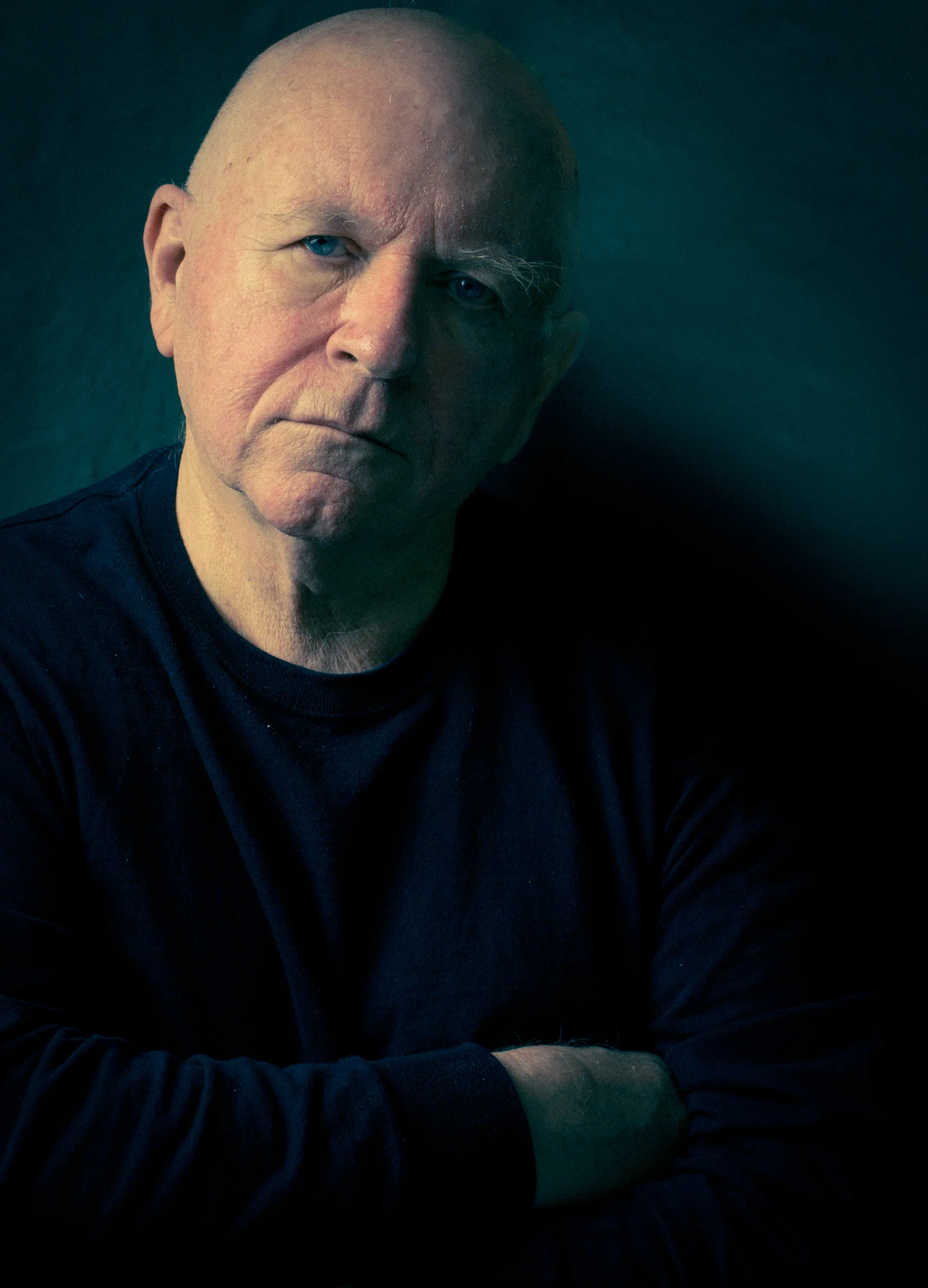
Michael Smith
 Canada
chemist•biochemist•university teacher
Birthday
+1932-04-26
Birth Sign
Sagittarius
Birthplace
Blackpool
Age
Died at 68
About
Michael Smith, born April 26, 1932, in Blackpool, England, was a British-Canadian biochemist whose work reshaped genetic research. He shared the 1993 Nobel Prize in Chemistry with Kary Mullis for developing site-directed mutagenesis, a technique that lets scientists introduce specific mutations into DNA. After earning his PhD from the University of Manchester in 1956, Smith moved to Vancouver, Canada, for postdoctoral work with Har Gobind Khorana at the British Columbia Research Council. He later joined the Fisheries Research Board of Canada Laboratory before becoming a professor of biochemistry at UBC's Faculty of Medicine in 1966. Smith's career at the University of British Columbia spanned decades. He founded the UBC Biotechnology Laboratory in 1987 and led it until 1995, then became the founding scientific leader of the Protein Engineering Network of Centres of Excellence (PENCE). In 1996, he was named the Peter Wall Distinguished Professor of Biotechnology. Later, he established the Genome Sequencing Centre at the BC Cancer Research Centre, now known as the Michael Smith Genome Sciences Centre. His contributions earned him numerous honors, including the Companion of the Order of Canada. Smith passed away on October 4, 2000, at age 68, leaving a lasting impact on molecular biology and genomics.
Fame & Fandom (iFAMOUS Rankings)
Michael Smith, the British-Canadian biochemist who reshaped genetic research through site-directed mutagenesis, holds a distinguished position in scientific history without currently securing a placement in the iFANN Global Top 1,000 or any Top-100 scope list. The iFANN Global Fame Engine has evaluated his legacy, yet he remains unranked in the published standings as of August 2026. This absence from the numerical hierarchy reflects a specialized audience rather than a lack of impact; his influence is measured in laboratory breakthroughs and Nobel recognition rather than mass-market consumption signals. While the broader public may not know his name with the immediacy of pop culture icons, the scientific community regards his contributions to DNA manipulation as foundational. Unlike modern celebrities who cultivate organized fanbases with branded names and viral campaigns, Smith's supporters are dispersed across academic institutions and historical archives. There is no documented fandom name for this individual, nor are there recorded fan-led initiatives such as birthday billboards or charity drives dedicated solely to him. His legacy is preserved through citations in textbooks and the continued application of his techniques in molecular biology. The narrative surrounding his life focuses on his career trajectory from Blackpool to Vancouver and his collaboration with Kary Mullis, rather than the sensationalized folklore often associated with entertainment figures. No specific rituals or interactive traditions have emerged within his circle of admirers, as the appreciation for his work is expressed through professional advancement and scholarly tribute. The silence of the ranking engines regarding his current popularity score underscores the enduring nature of his fame: it is static, authoritative, and independent of fluctuating public sentiment.
Interesting Facts and Legends
Michael Smith shared the 1993 Nobel Prize in Chemistry, a distinction that remains the apex of his professional achievements. He developed site-directed mutagenesis, a technique allowing scientists to introduce precise mutations into DNA, which fundamentally altered the landscape of genetic engineering. After earning his PhD from the University of Manchester in 1956, he relocated to Canada to conduct postdoctoral research under Har Gobind Khorana. His tenure at the University of British Columbia began in 1966 when he joined the Faculty of Medicine as a professor of biochemistry. A notable story from his later years involves his quiet dedication to mentoring young researchers at the Fisheries Research Board of Canada Laboratory before his move to academia. While no viral legends or crowd-shutting incidents define his biography, a persistent anecdote circulates among former students regarding his meticulous approach to data analysis during the early development of his mutation techniques. Colleagues recall him spending hours verifying single nucleotide changes, a habit that became legendary in the lab for its unwavering precision. This dedication to accuracy, rather than speed, earned him deep respect among peers and laid the groundwork for the reliability of modern genetic sequencing.
Death & Aftermath
Died
+2000-10-04 (aged 68)
Death Place
Cambridge, United Kingdom
Cause of Death
Complications from a stroke
The death of Sir Michael Smith was confirmed by the University of British Columbia on October 4, 2000, following a period of declining health. The biochemist passed away in Cambridge, United Kingdom, where he had been residing after his distinguished career in Vancouver. The scientific community responded with immediate and widespread tributes to a figure who had fundamentally altered the trajectory of genetic research. Institutions including the Royal Society and the National Research Council of Canada issued statements honoring his development of site-directed mutagenesis, a technique that remains a cornerstone of modern molecular biology. Colleagues remembered his contributions not merely as technical achievements but as a paradigm shift that allowed precise manipulation of DNA sequences.
A memorial service was held to mark the passing of the 1993 Nobel Laureate, attended by peers from across the globe who recognized the magnitude of his work. His legacy continued through the ongoing application of his methods in laboratories worldwide, cementing his status as one of the most influential chemists of the late twentieth century., the enduring relevance of his research ensured that his name remained central to discussions in biochemistry and medicine.
Awards & Accolades
Keywords
Quick Facts
- Profession
- chemist, biochemist, university teacher
- Born
- +1932-04-26
- Birthplace
- Blackpool
- Died
- +2000-10-04
- Death Place
- Vancouver
- Gender
- Male
- Birth Sign
- Sagittarius
Join the community
fans discussing