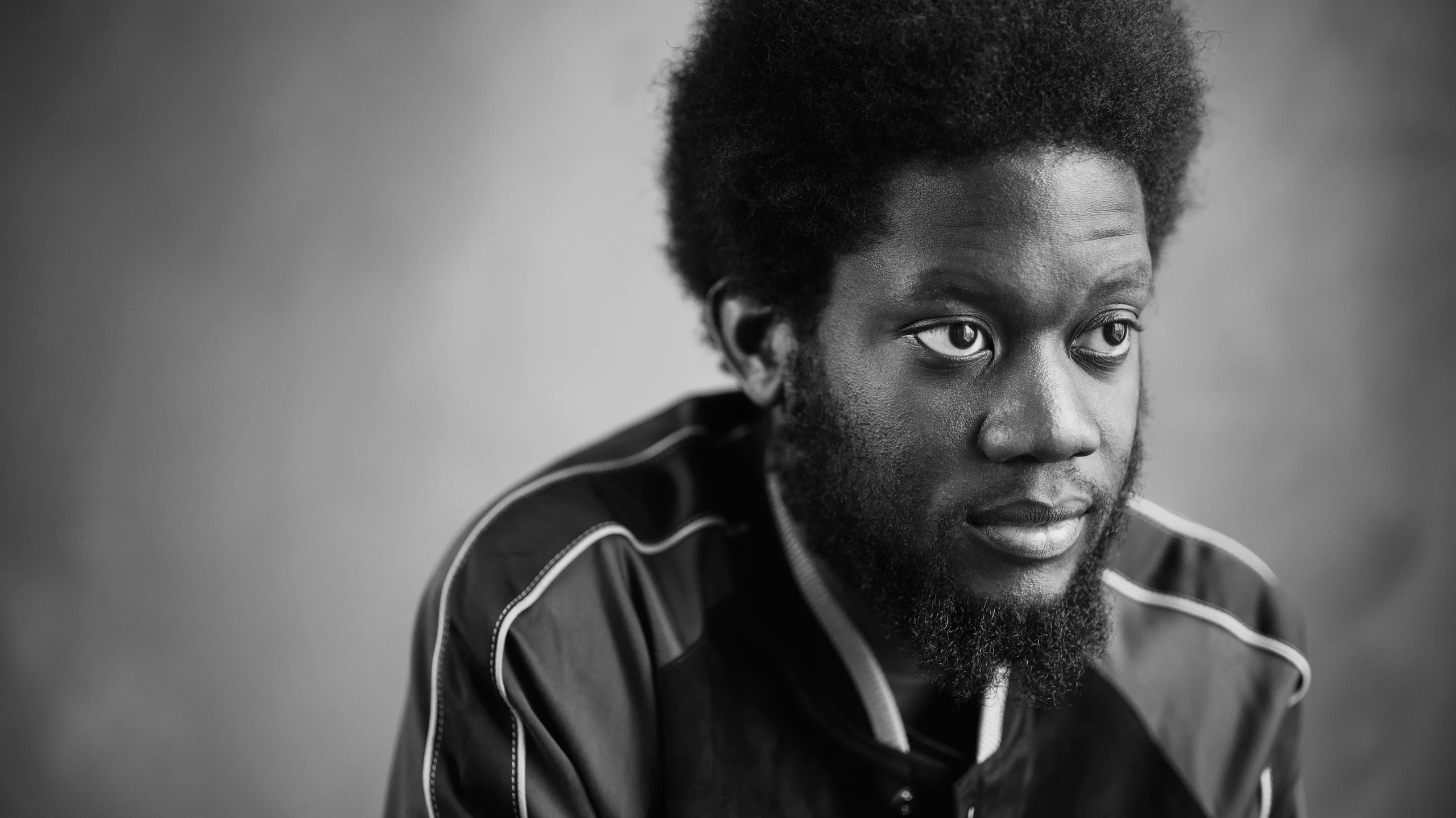
Michael Kiwanuka
 United Kingdom
singer-songwriter•musician•record producer
Also known as: Michael Samuel Kiwanuka
Birthday
May 3, 1987
Birth Sign
Taurus
Birthplace
Muswell Hill, London, England
Age
39 years old
About
Michael Kiwanuka is a British singer-songwriter and record producer from London. He is one of the few artists of his generation to win the Mercury Prize outright, taking the 2020 award for his third album, Kiwanuka, in a field that included Dua Lipa, Charli XCX and Stormzy.
His sound sits where warm analogue soul meets folk and a little psychedelic rock, built largely in partnership with producer Danger Mouse and the British musician and producer Inflo. He has released five albums: Home Again in 2012, Love & Hate in 2016, Kiwanuka in 2019, Small Changes in 2024 and FUDGE in October 2026. Two of those records went to number one in the UK, and Cold Little Heart, the ten minute opener of Love & Hate, became his most-streamed song after HBO used it in Big Little Lies.
He keeps a deliberately low profile for an artist at his level. Instagram sits around 315,000 followers, his posts mostly announce releases rather than share his life, and interviews tend to circle the same subjects his songs do: identity, faith, belonging and what it means to be the British son of Ugandan exiles. Reviewers keep returning to the same word for him, which is serious, in the best sense.
Early Life & Background
Michael Samuel Kiwanuka was born on 3 May 1987 in Muswell Hill, north London, to Ugandan parents who had left the country after Idi Amin came to power. That family history shaped him early. He has spoken about a childhood marked by shyness and by racism, about the strange position of being a London kid whose name and face invited questions, and those themes of not quite belonging run straight through his lyrics two decades later.
Music came to him through the records in the house rather than through any formal plan. He has cited Bill Withers, Terry Callier, Otis Redding and the singer-songwriter tradition as formative, and by his early twenties he was working as a session guitarist and backing vocalist around London, playing other people's songs for other people's audiences. It is the classic apprenticeship, and it taught him the craft that shows up later in his arrangements.
The turn came through a demo. He recorded a handful of songs and they found their way to Polydor Records, who signed him. Before the debut album even landed, the industry had already made up its mind: the BBC Sound of 2012 poll, a vote of critics, broadcasters and label figures that had previously tipped Adele and Jessie J, put him at the top of its list. That gave him a strange kind of launch, a name in the papers before most people had heard a full record. The songs had to live up to it, and by the end of 2012 they largely did.
Career Growth
Home Again arrived in 2012 and did what the Sound of 2012 win promised, going gold in the UK on the strength of warm, orchestral soul in the Bill Withers and Terry Callier lineage. Then he did something riskier than repeating it. For the follow-up he went into the studio with Danger Mouse and Inflo, and Love & Hate (2016) came out darker, longer and stranger, entering the UK albums chart at number one. Its ten-minute opener, Cold Little Heart, later turned into his signature song after HBO placed it in Big Little Lies, and it remains his most-streamed track.
The Inflo and Danger Mouse partnership carried into Kiwanuka in 2019, the record that changed his standing. It won the Mercury Prize in 2020 against Dua Lipa, Charli XCX and Stormzy, a result that surprised plenty of bookmakers and delighted everyone who had followed him since 2012. A fourth album, Small Changes, came out in November 2024, quieter and more patient than its predecessor.
His fifth, FUDGE, landed via Polydor in October 2026 and drew a wide spread of reviews in the week of 19 to 26 October. The Guardian called it rough and instinctive but also lush and alive with melody, the Times heard a singular cry from the soul, Rolling Stone UK described it as a beautiful but bittersweet reminder of his brilliance, and Mojo went with his most personal statement yet. The Financial Times framed it as a tale of struggle and rebirth that takes on new meaning. The single Summer Clothes came out alongside the album on 23 October 2026, with lyric videos for California, Just Another Moment, Move in My Direction, Sing, Steve's Paradise, You Sent Me Flying and Stars rolling out on his YouTube channel.
Career Timeline
Public Image & Style
The image is understated and it has barely changed in fifteen years. Kiwanuka presents as the thoughtful North London soul man: warm analogue production, orchestral arrangements, a voice that sounds like it is being recorded in a room rather than a machine. On stage he is not a showman. He stands and sings, and the band does the rest.
His social media voice matches. Instagram is largely release announcements and photographs from the studio or the road, Facebook is a mirror of the same, and he does not do the confessional posting that most artists of his profile use to stay visible. When he does speak publicly, it is in interviews with the Guardian, the Times, Mojo or the Financial Times, and the subject tends to be the work rather than the life.
Reviewers reach for the same vocabulary about him, which is serious, soulful, unflashy. He has never leaned into celebrity as a second career, and that restraint is a big part of why the Mercury Prize win felt like a correction rather than a surprise.
Fame & Fandom (iFAMOUS Rankings)
iFANN has not yet collected fame data for Michael Kiwanuka, so there is no ranking to report here, and no placement in the September 2026 iFAMOUS Rankings flagship list either. That absence says more about the kind of artist he is than about his reach. He is not a chart-and-headline presence in the way a pop star is. He is the artist people find once, usually through a television sync or a Mercury Prize broadcast, and then keep for decades.
The fanbase has no formal name, no organized streaming machine and no coordinated chart campaigns. What it has is loyalty of a slower kind. Cold Little Heart became a streaming fixture years after release because viewers of Big Little Lies went looking for the song and then stayed for the catalogue. That pattern repeats with each record: Kiwanuka brought in listeners who arrived through the Mercury Prize, and FUDGE in October 2026 brought another wave through the reviews and the Summer Clothes single.
The audience skews toward people who care about records as records. They buy vinyl, they read the liner notes, they turn up to the shows and they do not ask much of him beyond the music. He engages back in the same register, through the occasional post and through live sets that lean on the deep cuts rather than the singles. It is a quiet relationship, and both sides seem to prefer it that way.
Interesting Facts and Legends
The ten-minute length of Cold Little Heart was not a marketing decision. It grew out of studio sessions with Danger Mouse and Inflo where the song simply kept going, and it only became a calling card years later when television came calling.
He won the Mercury Prize in 2020 in a year when the ceremony was reshaped by the pandemic, and he took it for an album named after himself, which is either confidence or the opposite depending on how you read it.
Fans still retell the story of his first Glastonbury set, when a crowd that had come for something else stayed for the whole thing. Whether that is exactly how it happened is beside the point; it is the story people tell.
His album titles are short and plain, Home Again, Love & Hate, Kiwanuka, Small Changes and FUDGE, and that last one is the only one that sounds like a joke until you hear the record.
He plays most of the guitar on his own records, a holdover from the session years when being able to do it yourself was the difference between a gig and no gig.
Family & Personal Life
Kiwanuka's parents came to Britain from Uganda after Idi Amin's rise to power, and he grew up in Muswell Hill in north London in a household shaped by that displacement. He has talked about the family's story in interviews as the root of his songwriting, though he rarely names relatives or shares their details.
His own household is something he keeps almost entirely out of public view. No marriage, partner or children have been confirmed in any reliable source, and the questions people search for about a wife or kids appear to come from curiosity rather than any documented fact. He has said in interviews that privacy is a choice rather than a pose, and his social media reflects it: releases, tour dates, the occasional thank you, almost nothing personal.
Notable Connections
His most important creative relationships are with the producer Danger Mouse, who worked on Love & Hate and Kiwanuka, and with the British musician and producer Inflo, the pair behind his three most praised records. Both partnerships pushed him from the orchestral soul of his debut toward something darker and more experimental. He records for Polydor Records.
Relationships & Dating History
There is no verified public romantic history to report. Across fifteen years of coverage, no marriage, engagement, divorce or confirmed long-term partner has been documented by a credible outlet, and Kiwanuka has consistently kept that part of his life out of interviews. The searches people run for a wife appear to come from curiosity rather than from any confirmed relationship.
As of 2026, his status is best described as private and not publicly confirmed. That is not the same as single, and it is not the same as married. He has simply never made it a matter of public record, and the sources do not supply one.
Salary, Net Worth In 2026
$3 Million
iFANN Editorial Team estimate
Michael Kiwanuka's money comes from records, publishing and live work rather than from brand deals or side businesses. He has been on Polydor since 2011, which means a long run of album advances, royalties and a catalogue that keeps earning years after release. The sync placements matter more than people assume: Cold Little Heart's use in Big Little Lies turned a ten-minute album track into a streaming and licensing asset, and that kind of placement pays on both the master and the publishing side.
Touring is the other engine. He plays theatres and festival slots rather than arenas, which keeps costs controlled and margins decent. The Mercury Prize win in 2020 added a modest cash award and, more importantly, a permanent boost to catalogue sales and booking fees. Small Changes in 2024 and FUDGE in October 2026 each reset that cycle, with a new album meaning a new tour, new vinyl and new streaming activity.
He does not have the endorsement portfolio or the real estate headlines of a pop star, and he has never chased them. The iFANN Editorial Team's analysis of his royalties, publishing, touring and record income puts his fortune at roughly $3 Million as of 2026. That figure reflects a respected album artist with a solid catalogue rather than a commercial juggernaut, and it is likely to keep climbing slowly as the back catalogue keeps finding new listeners.
Awards Won (8)
His two headline wins are the BBC Sound of 2012 poll, a critics and industry vote, and the 2020 Mercury Prize for Kiwanuka, where he beat Dua Lipa, Charli XCX and Stormzy. He has also picked up nominations at the Brit Awards, the MTV Europe Music Awards, the BBC Music Awards and the Grammys, where Love & Hate was shortlisted for Best R&B Album.
2020 · Album of the Year
Kiwanuka
2012 · Sound of 2012
Home Again
Known For
Cold Little Heart
2016 · Artist and co-writer
Kiwanuka
2019 · Artist, Mercury Prize winner
Love & Hate
2016 · Artist
Home Again
2012 · Artist
FUDGE
2026 · Artist
Small Changes
2024 · Artist
Keywords
Sources
Quick Facts
- Profession
- singer-songwriter, musician, record producer
- Born
- May 3, 1987
- Birthplace
- Muswell Hill, London, England
- Gender
- Male
- Birth Sign
- Taurus
- Record Label
- Polydor Records
- Mercury Prize
- Won in 2020 for Kiwanuka
Personal Details
- Full Name
- Michael Samuel Kiwanuka
Filmography
12
Total
0
Film
12
TV
Frequently Asked Questions
How old is Michael Kiwanuka?
What is Michael Kiwanuka's net worth in 2026?
Why did Michael Kiwanuka cancel his tour?
Does Michael Kiwanuka have children?
Is Michael Kiwanuka religious?
Social Media


Join the community
fans discussing