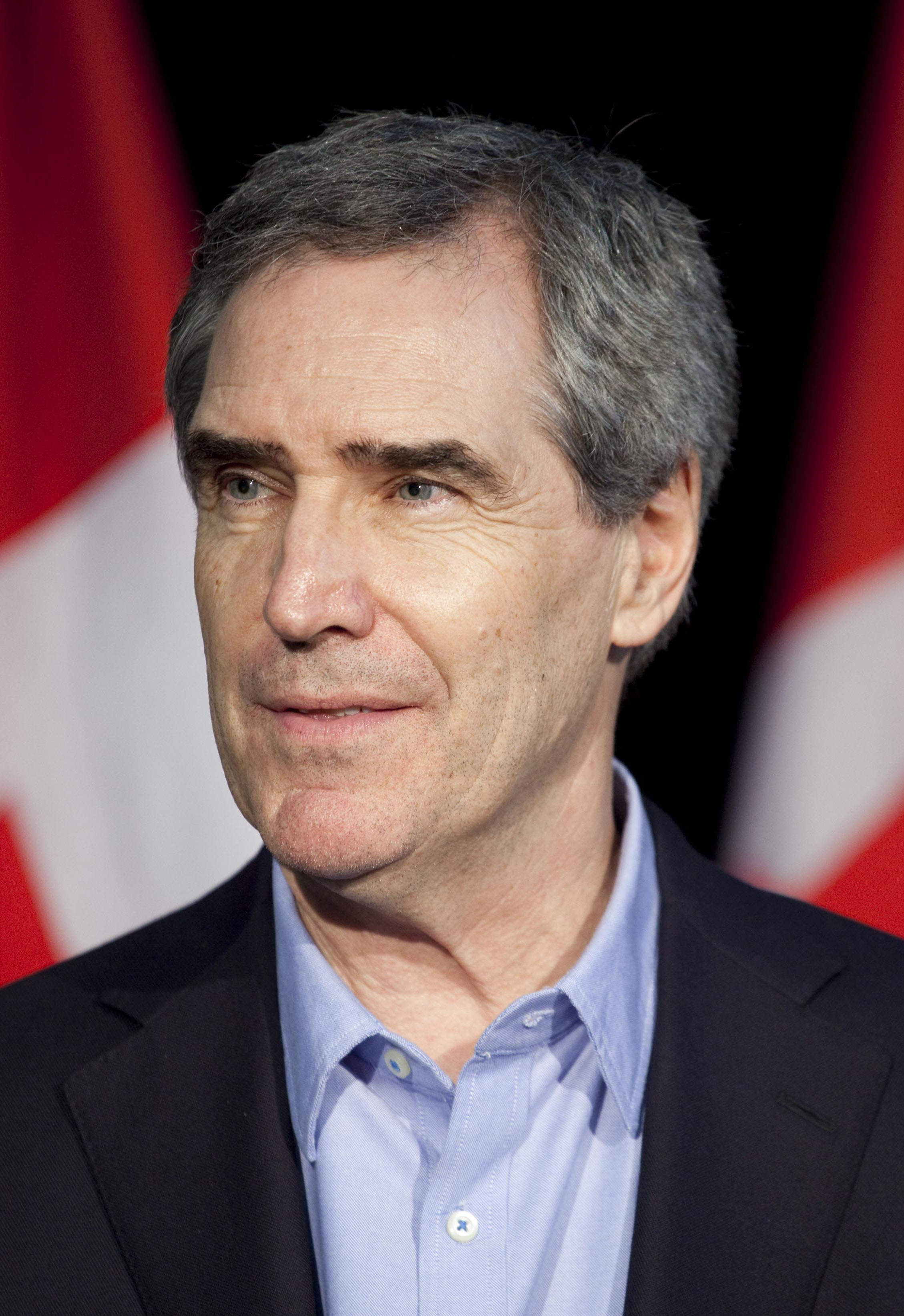
Michael Ignatieff
 Canada
journalist•historian•politician
Birthday
+1947-05-12
Birth Sign
Taurus
Birthplace
Toronto
Age
79 years old
About
Michael Ignatieff, born May 12, 1947, in Toronto, is a Canadian author, academic, and former politician whose career has spanned journalism, academia, and public life. As a historian and political commentator, he has held prestigious teaching posts at Cambridge, Oxford, Harvard, and the University of Toronto. From 2016 to 2021, he served as rector and president of Central European University in Budapest, capping a long career in higher education. Ignatieff's early life was steeped in intellectualism; his father was a diplomat and his mother a professor, and he grew up in Canada before moving to the United Kingdom in 1978, where he would spend the next two decades. During his years in Britain, Ignatieff became a familiar voice on television and radio, and a regular columnist for The Observer. His 1993 BBC documentary series Blood and Belonging: Journeys into the New Nationalism, which explored the resurgence of nationalism after the Cold War, won a Gemini Award in Canada. The accompanying book earned the Gordon Montador Award and the Lionel Gelber Prize. His 1987 memoir The Russian Album, which traces his family's history through the Russian Revolution, received the Governor General's Literary Award and the Heinemann Prize. His 1994 novel Scar Tissue was shortlisted for the Booker Prize. In 2000, he delivered the Massey Lectures, later published as The Rights Revolution. Ignatieff entered politics in the 2006 Canadian federal election, winning a seat in Parliament for Etobicoke, Lakeshore. He ran for the Liberal Party leadership that year but lost to Stéphane Dion, under whom he served as deputy leader. After Dion's resignation following the 2008 election, Ignatieff became interim leader and was confirmed as permanent leader at the party's May 2009 convention. The 2011 election proved disastrous for the Liberals, who won only 34 seats, their worst result ever, and Ignatieff lost his own seat. He resigned as leader shortly after and retired from politics. Returning to academia, Ignatieff taught at the University of Toronto and later at Harvard's Kennedy School, where he held a full-time position from 2014. In 2016, he moved to Budapest to lead Central European University, a role he held until 2021. He continues to write on international affairs and Canadian politics. In 2024, he received the Princess of Asturias Award for Social Sciences, a recognition of his lifetime of intellectual contributions.
Fame & Fandom
Michael Ignatieff does not command a fandom in the traditional sense. Unlike pop stars or athletes, his audience consists of scholars, policy wonks, and voters rather than a community bound by rituals, specific names, or fan-funded campaigns. There is no official name for his supporters, no subreddit dedicated to his legacy, and no organized efforts to erect billboards on his birthday. His public presence is defined by intellectual engagement and political scrutiny rather than the adoration that generates legendary fan lore. He moves through spaces as a statesman and academic, engaging with crowds at lectures or rallies where the interaction is transactional or ideological, not devotional. The absence of a named fanbase reflects the nature of his career; he is a figure analyzed for his ideas, not worshipped for his persona. iFANN's Global Fame Engine has evaluated this person, but they do not currently hold a placement in the published rankings. Consequently, Michael Ignatieff is not listed among the top 1,000 most famous individuals globally, nor does he appear on any Top-100 scope list for his specific fields. This lack of ranking stems from his status as a public intellectual whose fame is niche and regional rather than mass-market viral. While his commentary on global sovereignty and authoritarianism garners significant attention in academic and political circles, it does not translate into the broad consumption signals required for a global rank. The scale of his influence remains substantial within his disciplines, yet it falls outside the thresholds of the world's most ubiquitous celebrities.
Interesting Facts and Legends
Born in Toronto on May 12, 1947, to a diplomat father and a professor mother, Ignatieff grew up steeped in intellectualism before moving to the United Kingdom in 1978. He held prestigious teaching posts at Cambridge, Oxford, Harvard, and the University of Toronto, eventually serving as rector and president of Central European University in Budapest from 2016 to 2021. A defining moment in his political career occurred during the 2011 federal election, where the Liberal Party was reduced to third-party status behind the Conservatives and the NDP, forcing him to resign as party leader. In recent years, his focus has shifted to geopolitical analysis. In April 2026, he commented on Hungarian elections, stating that if Viktor Orbán loses, "global Orbanism is over." Earlier that year, he authored an opinion piece titled "American Imperialism and the End of Sovereignty" alongside Alma Guillermoprieto and Fintan O'Toole. In January 2026, he appeared on CNN's *Amanpour*, asserting, "We cannot rely on the United States, period." These moments cement his reputation as a sharp commentator on democracy and human rights rather than a figure of celebrity myth.
Awards & Accolades
Keywords
Quick Facts
- Profession
- journalist, historian, politician
- Born
- +1947-05-12
- Birthplace
- Toronto
- Gender
- Male
- Birth Sign
- Taurus
Join the community
fans discussing