 Mexico
About
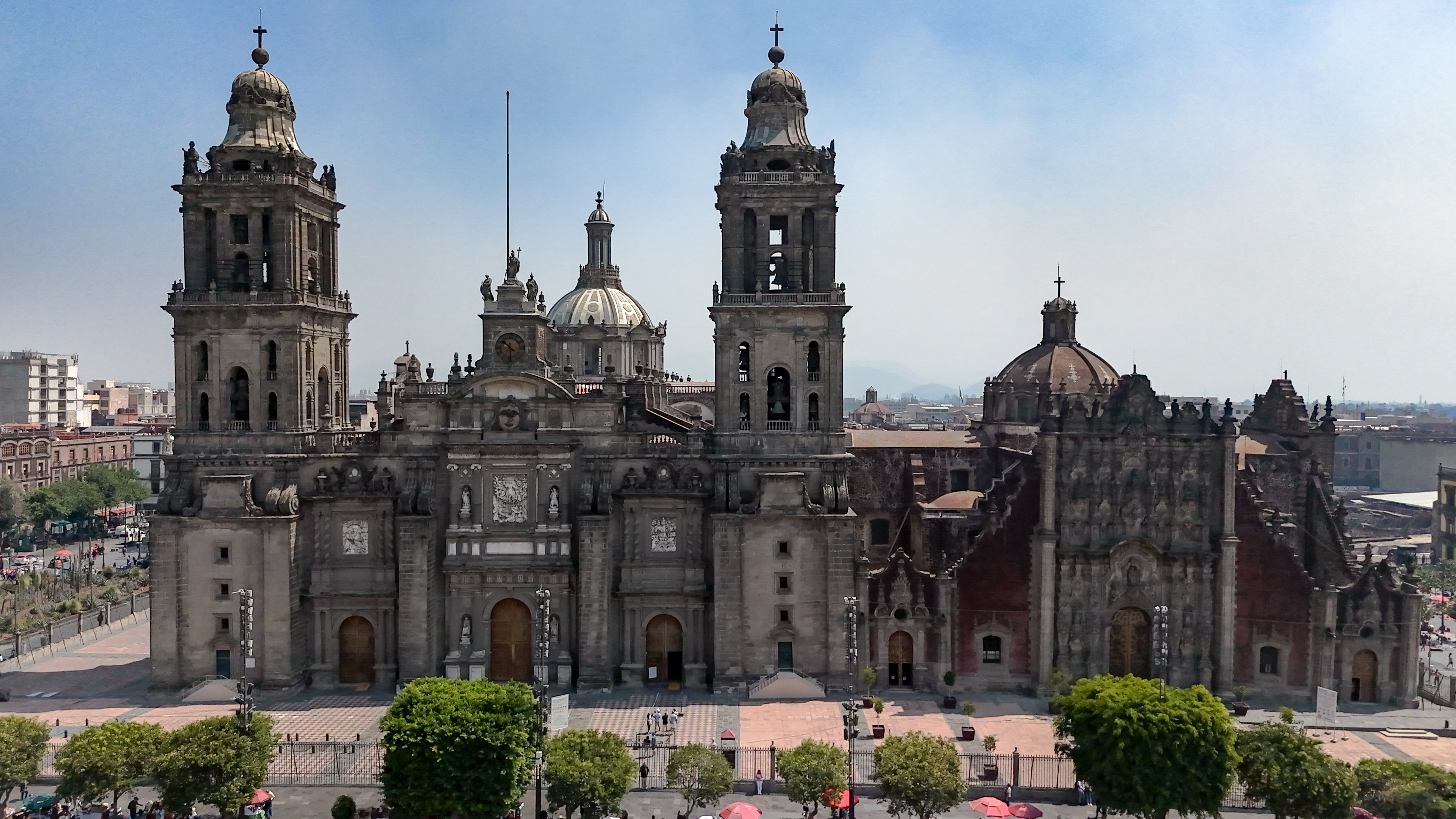
The Mexico City Metropolitan Cathedral, officially the Metropolitan Cathedral of the Assumption of the Most Blessed Virgin Mary into Heaven, stands as the seat of the Roman Catholic Archdiocese of Mexico. It occupies a prime spot on the northern side of the Zócalo, the city's main square, directly atop the ruins of the Aztec sacred precinct that once centered on the Templo Mayor. This location, layered with history, makes the cathedral a powerful symbol of the Spanish conquest and the religious transformation of the Americas.
Construction began in 1573 under the direction of Spanish architect Claudio de Arciniega, who drew inspiration from Gothic and Renaissance cathedrals in Spain. The building took over 250 years to complete, with the final touches added in 1813. This long timeline means the cathedral is a patchwork of architectural styles, from the austere Herreresque facade to the ornate Churrigueresque altars and the neoclassical additions of the 18th century. Its sheer scale is staggering: it stretches 128 meters in length and 67 meters in width, with two bell towers rising over 60 meters. The cathedral houses five naves, 16 chapels, and a massive main altar, all designed to awe the faithful.
Today, the cathedral is not just a place of worship but a major tourist attraction and a UNESCO World Heritage Site, part of the historic center of Mexico City. It has weathered earthquakes, subsidence, and even a 2007 protest that saw demonstrators chain themselves to its doors. Despite these challenges, it remains one of the most visited and photographed landmarks in the country, drawing millions of visitors each year who come to admire its art, architecture, and the palpable sense of history that permeates its walls.
Mission
The cathedral's stated mission is to consolidate itself as the predominant Church in Mexico, disseminating the word of God and promoting the historical-cultural heritage it possesses. It serves as a place of worship, a cultural landmark, and a center for community outreach, welcoming millions of visitors each year.
History
The cathedral's origins trace back to 1570 when the Archdiocese of Mexico was established, and construction began in 1573. The site chosen was the very heart of the Aztec empire, the sacred precinct of Tenochtitlan, where the Templo Mayor once stood. This deliberate placement symbolized the triumph of Christianity over indigenous religions. The architect Claudio de Arciniega, who had worked on the Cathedral of Valladolid in Spain, was tasked with creating a structure that would rival the great cathedrals of Europe.
Construction proceeded slowly, hampered by the soft, unstable soil of the former lakebed upon which Mexico City was built. The cathedral's foundations required massive wooden piles to be driven into the ground, a technique that would later prove problematic as the city began to sink. Over the centuries, the cathedral was modified and expanded, with the addition of the Sagrario Metropolitano, a separate parish church, in the 18th century. The interior was gradually filled with ornate altarpieces, paintings, and sculptures, reflecting the evolving artistic tastes of the colonial era.
By the early 19th century, the cathedral was finally completed, but its challenges were far from over. In 1967, a fire damaged parts of the interior, and in 1985, a devastating earthquake caused significant structural damage. The cathedral has also been affected by the ongoing subsidence of Mexico City, with the building sinking at different rates, leading to tilting and cracking. Restoration efforts have been ongoing, with the World Monuments Fund including the cathedral in its preservation programs. In 2007, the cathedral was the site of a protest when demonstrators chained themselves to its doors, highlighting the ongoing tensions between the Church and social movements. More recently, the cathedral has become a focal point for popular culture, as seen in the phenomenon of the 'Soccer Baby Jesus' figure, which drew thousands of fans praying for World Cup victory.
Subdivisions
16 Chapels
Each chapel houses significant religious art and altarpieces, contributing to the cathedral's rich artistic heritage.
Five Naves
The cathedral's five naves provide ample space for worship and accommodate large congregations.
Notable People
Claudio de Arciniega
Architect · 1573–1580s
Designed the cathedral, drawing inspiration from Gothic and Renaissance cathedrals in Spain.
Milestones
1570
Archdiocese of Mexico established; cathedral founded.
1573
Construction begins under Claudio de Arciniega.
1813
Construction completed after 250 years.
1967
Fire damages parts of the interior.
1985
Earthquake causes significant structural damage.
2007
Protesters chain themselves to the cathedral doors.
2025
Cathedral organizes 'Guadalupe Night' to celebrate Our Lady of Guadalupe.
Departments
Sources
Organization Info
- Founded
- 1570
- Headquarters
- Zócalo, Mexico City, Mexico
- Country
- Mexico
- Archbishop
- Archbishop of Mexico
- Parent
- Roman Catholic Archdiocese of Mexico
- Type
- Religious
- Length
- 128 meters
- Width
- 67 meters
- Bell tower height
- Over 60 meters
- Number of chapels
- 16
Official Website
catedralmetropolitana.mx
Join the community
fans discussing