Met Éireann
 Ireland
"The national meteorological service of Ireland"
About
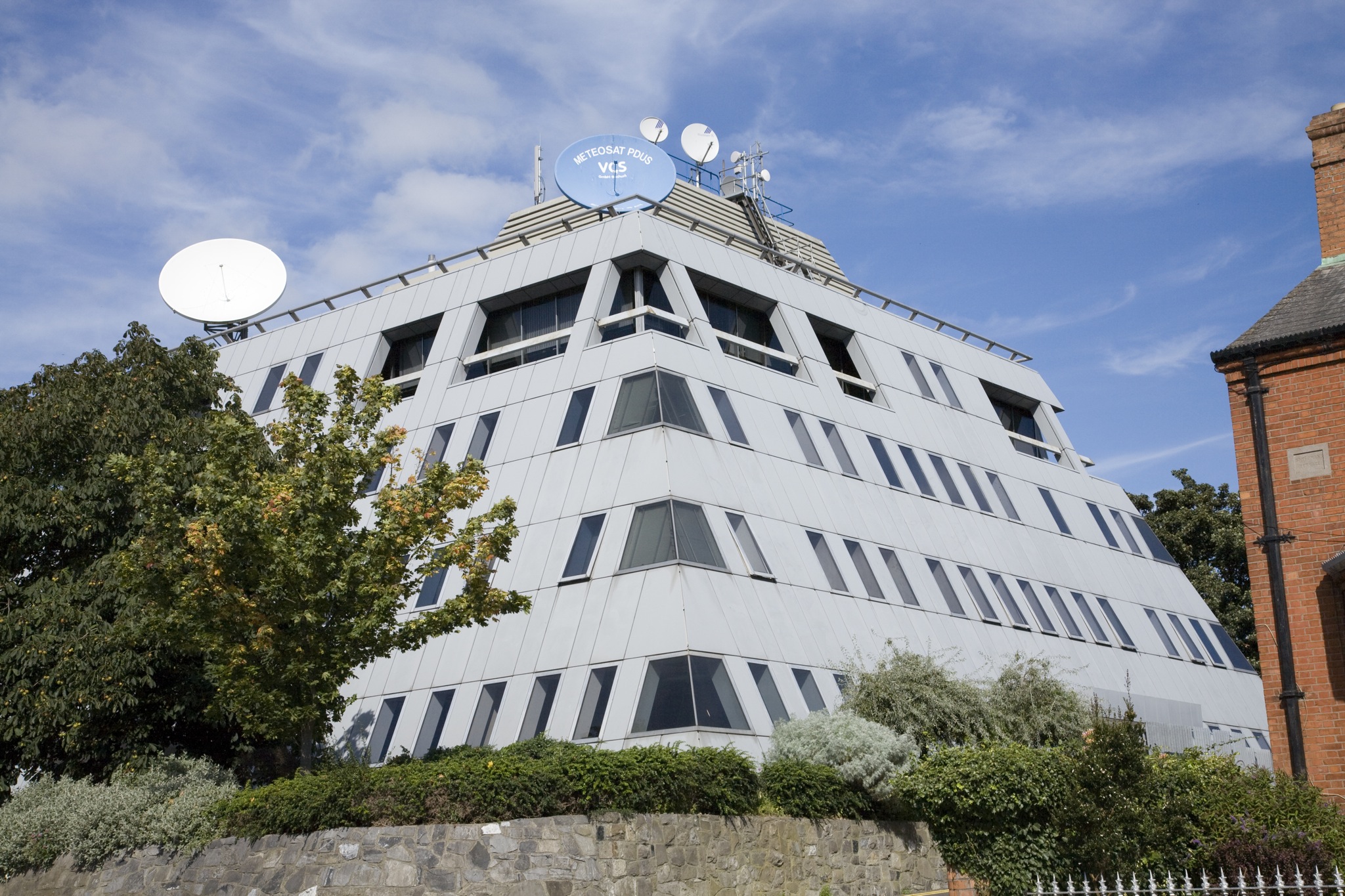
Met Éireann is the Irish national meteorological service, an executive office of the Department of Housing, Local Government and Heritage. It is the state's official source for weather forecasts, climate information, and related geophysical data. The name combines the abbreviation Met with Éireann, the genitive form of Éire. The service has operated continuously since 1936 and is headquartered in Glasnevin, Dublin.
Its work covers daily forecasting, severe-weather warnings, climate monitoring, hydrology, and aviation meteorology. Met Éireann runs a network of weather stations, radar installations, and high-performance computing systems. Forecasts reach the public through radio, television, a website and mobile app, social media channels, and a thrice-daily podcast. The agency also provides specialised services for agriculture, energy, and marine users.
Met Éireann collaborates with international bodies including the World Meteorological Organization and the European Centre for Medium-Range Weather Forecasts. In recent years it has expanded its climate services, issuing long-range projections for policymakers and the public. Its warnings are widely amplified by government and media, making it a daily reference point for people across Ireland.
Mission
Met Éireann's core purpose is public safety and public information. It produces forecasts and issues warnings for severe weather, including Status Yellow and Status Orange rainfall alerts for counties such as Galway, Leitrim, Mayo, Sligo, and Donegal. The service monitors air quality and flooding, and supports aviation safety with forecasts for Ireland's airports and airspace. Its data underpins sectors from agriculture to energy, helping farmers plan harvests and renewable-energy operators manage wind and solar output. It also contributes to international climate research and provides climate services for policymakers and the public.
History
Met Éireann was established in 1936, the year the state meteorological service began continuous operations. It grew out of Ireland's early-twentieth-century need for national weather observation and forecasting following independence. Over the decades it evolved from a small observational and forecasting operation into a modern agency running weather stations, radar, supercomputing, and digital services. Key developments include the build-out of the national station and radar network, the launch of the Met Éireann website and mobile app, expansion into climate services and long-range forecasting, and the adoption of artificial intelligence to track and predict weather patterns, as reported by RTÉ News.
Subdivisions
Forecasting and Warnings
Produces daily and long-range forecasts and issues severe-weather warnings.
Observations and Climate
Operates the national weather station network and monitors climate data.
Hydrology
Monitors rainfall, river levels, and flood risk.
Aviation Meteorology
Provides forecasts and warnings for Ireland's airports and airspace.
Climate Services
Delivers long-range climate projections and analyses for policymakers and the public.
Notable People
Ailís Hankinson
Meteorologist
Publicly known forecaster appearing in broadcast and social media weather updates
Milestones
1936
Met Éireann founded as the national meteorological service.
Build-out of the national weather station and radar network.
Launch of the Met Éireann website and mobile app.
Expansion into climate services and long-range forecasting.
Adoption of artificial intelligence to track and predict weather patterns.
Departments
Sources
Organization Info
- Founded
- 1936-01-01
- Headquarters
- Glasnevin, Dublin
- Country
- Ireland
- Parent
- Department of Housing, Local Government and Heritage
- Type
- Government
- Parent organization
- Department of Housing, Local Government and Heritage
- Contact
- +353 1 806 4200
Official Website
www.met.ie/
Join the community
fans discussing