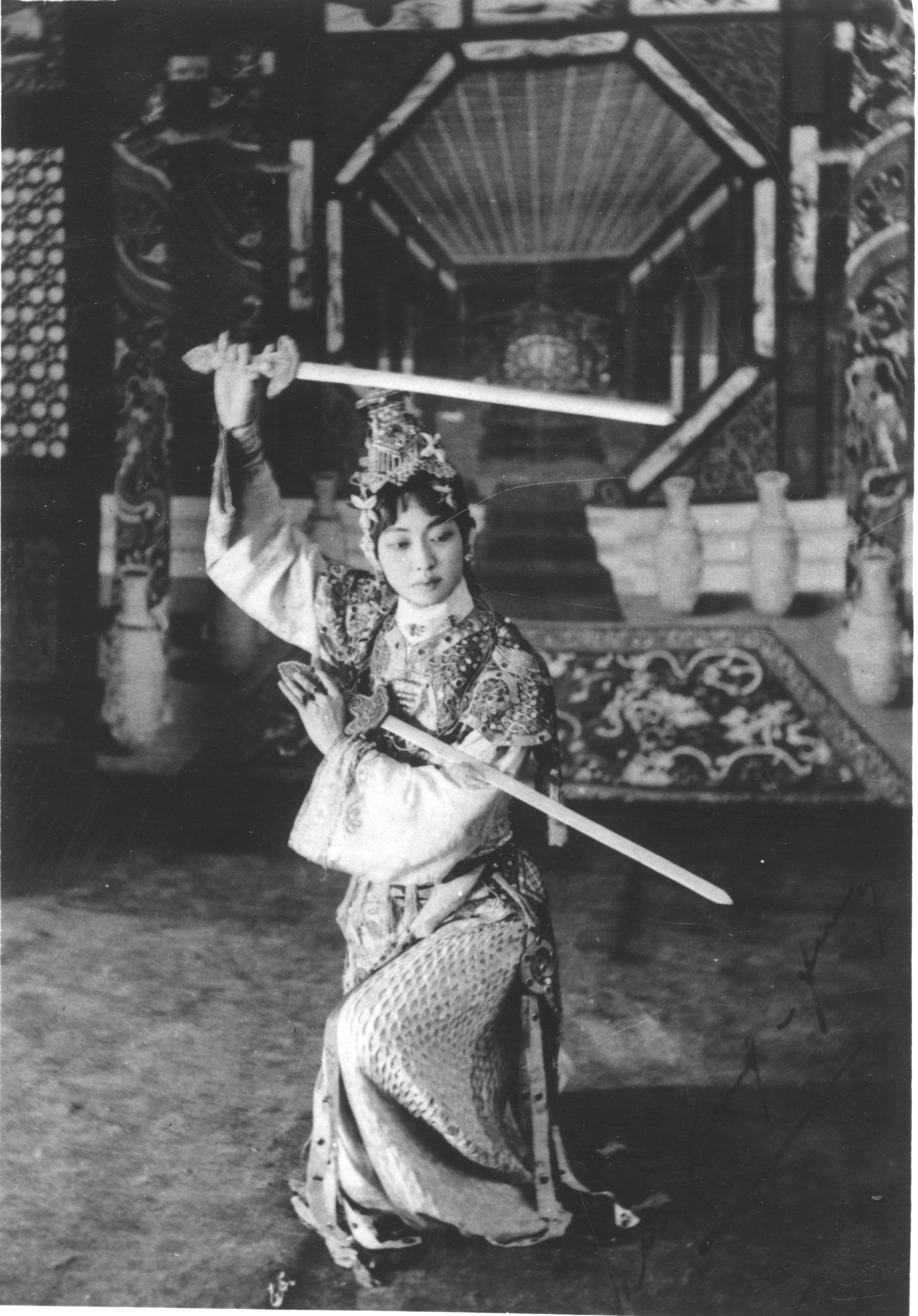
Mei Lanfang
 China
ChinaAlso known as: Mei Lan, Queen of Peking Opera
Birthday
October 22, 1894
Birth Sign
Libra
Birthplace
Beijing, China
Age
Died at 66
About
Mei Lanfang (born October 22, 1894, in Beijing, China; died August 8, 1961, in Beijing) was a preeminent Chinese Peking opera artist, celebrated for his mastery of dan roles, which are female characters. He was particularly known for his portrayals of qingyi (virtuous women) and earned the moniker "Queen of Peking Opera." Mei Lanfang was a leading member of the "Four Great Dan," a prestigious group that also included Shang Xiaoyun, Cheng Yanqiu, and Xun Huisheng. He developed and refined the singing and performing arts for dan roles over more than 50 years of stage life, establishing a unique style. His artistry extended beyond performance; he was a cultural ambassador who significantly contributed to the preservation and evolution of traditional opera, introducing Peking opera to global audiences. His legacy continues to inspire cultural exchange, as seen in dialogues and exhibitions held in the 21st century.
Early Life & Background
Born Mei Lan, he entered the world of Peking opera at a young age, beginning his stage career around the age of 11. His family had a strong tradition in opera, with his father and uncles also being performers. Mei Lanfang's early training focused on traditional techniques, and he quickly demonstrated exceptional talent. He became an active participant in China's New Culture Movement, which emerged in the 1910s following the fall of the Qing Dynasty. He integrated elements of traditional Chinese painting and calligraphy into his theatrical performances, broadening the art form's scope. During this period, he absorbed the classical repertoire and developed a unique style that combined technical mastery with emotional depth, beginning to gain attention as a rising star in Beijing's competitive opera scene.
Career Growth
Mei Lanfang's career trajectory saw him rise to prominence as a leading actor, transforming the perception and execution of dan roles. He performed extensively throughout China, captivating audiences with his portrayals in classics like The Drunken Beauty and Farewell My Concubine. His innovative approach to singing and movement set a new standard, and he became a leading figure in the "Four Great Dan" group. A significant milestone in his career was his tour of the United States in the 1930s, where he introduced American audiences to the world of Chinese opera. His performances in New York in early 1930 captivated audiences and were met with critical acclaim. This tour was a cultural milestone, fostering a new appreciation for Chinese theater. Mei Lanfang continued to captivate audiences until his passing on August 8, 1961, leaving an enduring legacy that is celebrated to this day. His influence reshaped the genre for generations.
Career Timeline
Public Image & Style
Mei Lanfang is universally recognized as a master of Peking opera and a significant cultural figure. He is described as having exceptional poise and a beautiful falsetto trill, embodying grace and refinement in his performances. His stage presence was mesmerizing, characterized by exquisite costumes and subtle gestures. He is viewed as a pioneer of the dan genre and a cultural ambassador, breaking barriers by bringing Chinese opera to Western audiences. His image as a cultural icon has endured, and he is remembered as one of the most influential figures in modern Chinese theater. He was celebrated for his grace, refinement, and the emotional depth he brought to female roles.
Fame & Fandom (iFAMOUS Rankings)
Mei Lanfang commanded a following that transcended the typical boundaries of celebrity, functioning instead as a cultural institution before the modern concept of fandom existed. His admirers were not organized into clubs with membership drives but were deeply embedded in the fabric of Chinese society, ranging from wealthy merchants and intellectuals to high-ranking officials who viewed his art as a pillar of national identity. This patronage system created a reciprocal bond where elite supporters funded productions and protected him during political turmoil, turning his audience into a force for cultural preservation rather than mere consumption. While he did not engage in social media rituals or chart campaigns, the intensity of his public adoration was palpable; massive crowds gathered at theaters, and stories of streets shutting down due to fan fervor became part of the lore surrounding his peak popularity. Today, this legacy is sustained by scholars, students, and cultural organizations dedicated to preserving his work, though no formal name defines this group. The iFANN Global Fame Engine has evaluated Mei Lanfang's standing, yet he does not currently hold a placement in the published rankings such as the Global Top 1,000 or any Top-100 scope list. Consequently, there is no numeric rank or score attributed to his current fame level within the engine's framework.
Interesting Facts and Legends
Mei Lanfang possessed exceptional poise and a beautiful falsetto trill that brought female characters to life on stage. He was also a skilled painter and calligrapher, and his artistic sensibilities influenced his stagecraft. He was one of the first Chinese opera performers to tour the West, and his 1930 US tour was so influential that it was commemorated with an exhibition at the China Institute in New York in 2026, titled "The Dancing Goddess: Mei Lanfang in America." The Mei Lanfang Theatre in Beijing is named in his honor, continuing to host performances and maintain the tradition of Peking opera. Information regarding Mei Lanfang's physical attributes such as height is not readily available. During the Second Sino-Japanese War, he grew a beard and refused to perform for Japanese military officials, a verified act of patriotism that turned him into a national hero despite the resulting financial hardship. Folklore from his era recounts how crowds were so large they shut down streets, with some stories claiming female fans fainted from excitement upon seeing him, illustrating the sheer scale of his appeal even if specific incidents are embellished.
Family & Personal Life
Mei Lanfang was married and had children. His son, Mei Baochen, also became a Peking opera performer, continuing the family tradition. Details about his wife and other family members are scarce, but the Mei family's dedication to opera was a defining feature of his personal life. He lived in Beijing, where he was deeply connected to the city's cultural scene.
Notable Connections
Mei Lanfang was part of the "Four Great Dan," a group that included Shang Xiaoyun, Cheng Yanqiu, and Xun Huisheng. His son, Mei Baochen, also became a Peking opera performer. His work has been celebrated in recent cultural events, including a China-U.S. dialogue at the China Institute in New York in 2026.
Relationships & Dating History
Mei Lanfang was married and had children. His son, Mei Baochen, followed in his footsteps as a Peking opera performer. Details about his romantic life beyond his marriage are not widely documented, but his marital union was a stable part of his personal life. He was married at the time of his death in 1961.
- Married? - 1961Mei Lanfang was married, but details about his spouse are not well-documented.
Death & Aftermath
Died
August 8, 1961 (aged 66)
Death Place
Beijing, China
Cause of Death
Unknown
The announcement of Mei Lanfang's passing came from Beijing on August 8, 1961, confirming the end of a sixty-seven-year journey that redefined Chinese theater. The artist succumbed to illness in his native city, though specific medical details regarding his final days or the precise nature of his decline were never made public by his family or official channels. In the years since, the cultural landscape has filled the silence left by his absence with enduring tributes rather than immediate memorials documented in the historical record. Institutions like the Mei Lanfang Theatre in Beijing now stand as living monuments to his artistry, hosting performances that keep his legacy alive for new generations. Academic circles continue to honor his contributions through events such as roundtable dialogues in New York and exhibitions at the China Institute Gallery that revisit his historic tours of America. His recordings remain accessible on modern platforms, allowing listeners to engage with his timeless voice decades after his final bow.
Net Worth (Estate Value)
N/A
iFANN Editorial Team estimate
Mei Lanfang passed away in 1961, leaving behind an estate whose precise monetary value remains unrecorded in any public ledger. The iFANN Editorial Team's research traces the financial legacy of his career not to a static sum, but to the enduring commercial vitality of his artistic output. His performances continue to generate interest through ongoing stage productions at the Mei Lanfang Theatre and academic exhibitions like the 2026 showcase at the China Institute in New York. While specific posthumous earnings or estate valuations are unavailable, the cultural capital he amassed during his lifetime has translated into sustained relevance for Peking opera globally.
Awards & Accolades
View 2 records, honours and achievementsKnown For
The Drunken Beauty
1920 · Yang Guifei
Farewell My Concubine
1920 · Yu Ji
Keywords
Sources
Quick Facts
- Profession
- Peking opera artist
- Born
- +1894-10-22
- Birthplace
- Beijing
- Died
- +1961-08-08
- Death Place
- Beijing
- Gender
- Male
- Birth Sign
- Libra
Personal Details
- Full Name
- Mei Lan
- Children
- Mei Baochen
Frequently Asked Questions
Who was Mei Lanfang?
What is Mei Lanfang's net worth in 2026?
How did Mei Lanfang die?
Why is Mei Lanfang famous?
Is Mei Lanfang still active in 2026?
Join the community
fans discussing