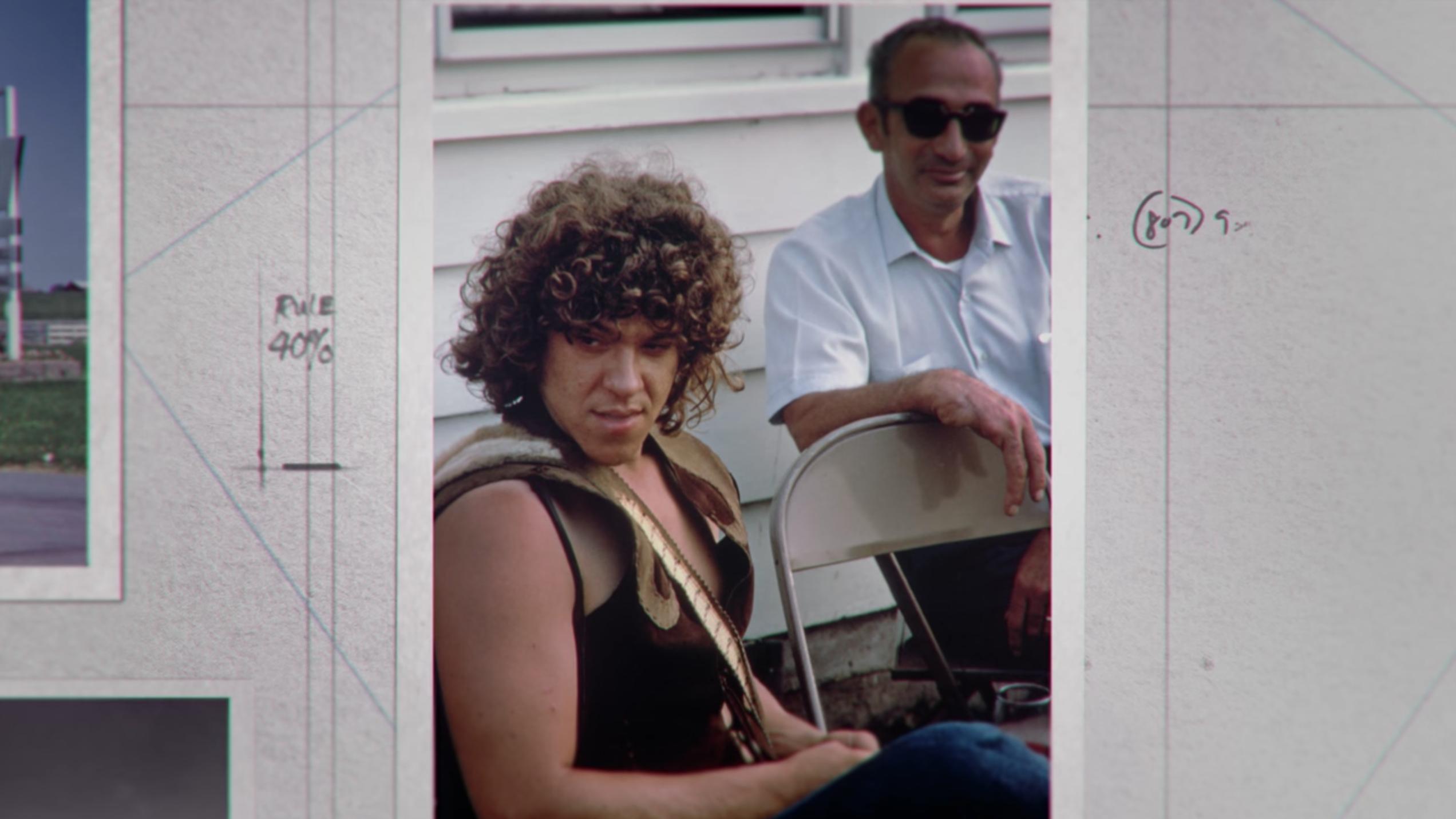
Max Yasgur
Also known as: Farmer Who Saved Woodstock
Birthday
December 15, 1919
Birth Sign
Sagittarius
Birthplace
New York City
Age
Died at 53
About
Max Bernard Yasgur was an American dairy farmer whose 600-acre property in Bethel, New York, became the site of the Woodstock Music and Art Fair in August 1969. Though he never sought fame, his decision to lease his land to festival organizers made him an enduring figure in American cultural history. Today, he is remembered as the man who made Woodstock possible, a quiet pragmatist who stood by his word when the event faced chaos.
Yasgur's legacy is tied almost entirely to those three days in August. The festival drew an estimated 400,000 people, far more than anticipated, and his farm became a symbol of peace and countercultural unity. He faced local backlash and legal trouble afterward, but his acquittal in November 1969 validated his choice. He sold the farm in 1971 and retired to Florida, where he passed away in 1973.
His story continues to resonate through documentaries, films, and annual commemorations. Visitors to the former festival site in Bethel still honor his contribution, and his name appears in nearly every retelling of Woodstock's history. For many, he represents the unexpected ally, an ordinary person whose simple action had extraordinary consequences.
Early Life & Background
Max Bernard Yasgur was born on December 15, 1919, in New York City to Samuel Yasgur, a clothing manufacturer. The family moved to Monticello, New York, where Max grew up in a Jewish household. He attended local schools and later worked on the family's dairy farm in nearby Bethel, part of Sullivan County. The farm had been in the Yasgur family for three generations, and Max took over operations from his father, expanding the herd and the land over the years.
In 1942, he married Edith "Edie" Yasgur, and they raised two children, Richard and Barbara. Max was known in the community as a hardworking and straightforward farmer, focused on the practical demands of dairy production. He served as a board member of the local milk cooperative and was active in agricultural organizations, though he had no public profile beyond the county.
When Woodstock organizers approached him in early 1969, their original venue had fallen through. Max was not part of the counterculture scene, but he saw a business opportunity. He agreed to lease his land for $75,000, a substantial sum at the time, with a condition that the event remain peaceful. His willingness to take a chance on a rock festival was unusual for a farmer of his generation, but he later said he simply wanted to help.
Career Growth
Max Yasgur's breakthrough came in August 1969, when the Woodstock Music and Art Fair took over his farm. The festival, held from August 15 to 18, attracted an estimated 400,000 attendees, overwhelming the infrastructure but ultimately becoming a defining moment of the decade. Yasgur's land was at the center of it all, and his public statements during the event, including a famous address to the crowd, endeared him to festival-goers.
After Woodstock, Yasgur faced legal challenges. He was charged with zoning violations and operating without a permit, but a jury acquitted him in November 1969. The verdict was seen as a vindication of his role. He continued to farm for another two years, but the attention and strain took a toll. In 1971, he sold the property and retired to Marathon, Florida, where he lived quietly until his death from a heart attack on February 9, 1973.
Though he never pursued commercial ventures related to Woodstock, his legacy grew in the decades after his death. The site became a landmark, and his name became synonymous with the festival's success. He is often credited with saving Woodstock, a reputation that has only strengthened over time.
Career Timeline
Public Image & Style
Max Yasgur's public image is that of an unlikely hero: a middle-aged dairy farmer who, despite his conservative background, enabled one of the most iconic countercultural events in history. Media portrayals often emphasize his pragmatism and humility, contrasting his straightforward manner with the chaos of the festival.
He did not seek the spotlight, and his post-Woodstock appearances were rare. In interviews, he spoke plainly about his decision, stressing that he wanted to help the organizers and support the local economy. His acquittal in the zoning case further cemented his image as a man who stood by his principles.
In films like Taking Woodstock and documentaries such as Woodstock: 3 Days of Peace & Music, he is depicted as a sympathetic figure, often shown welcoming the crowd onto his land. That portrayal has shaped how subsequent generations remember him, not as a businessman, but as a generous soul who took a chance on peace.
Fame & Fandom (iFAMOUS Rankings)
Max Yasgur stands as a singular figure in American cultural history, not for a career of performance or creation, but for a single decisive act that enabled one of the most significant gatherings of the twentieth century. While the iFANN Global Fame Rankings do not yet include him in their current global assessments, his legacy remains anchored in the enduring mythos of the 1969 Woodstock Music and Art Fair. He is remembered as the quiet pragmatist who leased his 600-acre dairy farm in Bethel, New York, to festival organizers just weeks before the event, transforming a potential disaster into a historic milestone. The absence of a formal ranking does not diminish the reality that he is frequently cited as the man who made Woodstock possible, a title that has persisted in historical accounts for over five decades. There is no formal fandom name associated with Max Yasgur, nor is there an organized community of enthusiasts bearing a specific moniker like those found for major entertainers. Instead, a diffuse memorial culture exists among Woodstock historians, music festival attendees, and local residents who revere his memory. This commemorative tradition manifests not in fan clubs, but in annual pilgrimages to the site now known as the Bethel Woods Center for the Arts, where individuals return each August to honor the location of the original gathering. Cultural tributes have emerged organically over time, including the 2019 children's book *Max Says Yes!* and the 2026 single "The 6th of January (Yasgur's Farm)" by Amy Grant, reflecting a sustained public interest in his story. A recurring motif in these retrospectives is the irony of a conservative Republican Vietnam War supporter hosting the quintessential counterculture event, a contradiction often cited with bemused fascination. His legacy is defined by the verified speech he delivered to the crowd on August 17, 1969, and the subsequent legal battles with neighbors, cementing his status as an unlikely hero who sacrificed his standing for the sake of a moment in time.
Interesting Facts and Legends
Max Yasgur's nickname among Woodstock enthusiasts is "the Farmer Who Saved Woodstock," a title that emerged in later years as the festival's cultural impact became clear. He was not a music fan and reportedly did not attend the performances, preferring to stay in the background.
He was paid $75,000 for the use of his land, but he also received a share of profits from the festival's film and soundtrack, which added to his income. His farm in Bethel was not his original homestead; the Yasgur family had owned land in the area for decades, and Max had expanded it to 600 acres.
One widely retold story: during the festival, Yasgur addressed the crowd, saying, "I'm a farmer. I don't know how to speak to twenty people at one time, let alone a crowd like this." That moment has become part of Woodstock lore, often cited as an example of his humility.
He was portrayed by actor David Krumholtz in the 2009 film Taking Woodstock, and his life was the subject of a 2019 PBS documentary segment for the festival's 50th anniversary.
Notable Quotes
“I'm just a farmer. I didn't know what was going to happen. I just wanted to help out.”
“I didn't do it for the money. I did it because I believed in peace.”
“I'm a farmer. I don't know how to speak to twenty people at one time, let alone a crowd like this.”
Family & Personal Life
Max Yasgur married Edith "Edie" Yasgur in 1942, and they remained together until his death. The couple had two children: Richard and Barbara. Richard later became an attorney and was involved in preserving the family's legacy, while Barbara has spoken publicly about her father's role in Woodstock.
The family lived on the farm in Bethel, where Max and Edie raised their children. After Max's death, Edie managed his estate, including royalties from Woodstock-related projects. The family has maintained a presence in the Bethel community, with descendants occasionally participating in anniversary events.
Yasgur's parents, Samuel and his mother, were part of the Jewish community in Monticello. His father worked in clothing manufacturing before the family moved to the farm. Max was one of several children, though details about his siblings are scarce in public records.
Notable Connections
Max Yasgur worked closely with Woodstock organizers Michael Lang, John P. Roberts, and Artie Kornfeld during the planning of the festival. He leased his land to them and maintained a cooperative relationship, though he stayed out of the artistic and logistical decisions. His collaboration with these figures was essential to the event's success, and they have all acknowledged his crucial role in making Woodstock happen.
Relationships & Dating History
Max Yasgur married Edith "Edie" Yasgur in 1942, and the couple remained together for the rest of his life. Their marriage was stable and supportive, with Edie managing the household and later the estate after his death. They had two children, Richard and Barbara, and the family lived on the farm in Bethel.
There is no public record of any other romantic relationships, affairs, or divorces. Yasgur's devotion to Edie was evident in his will and in the way she carried on his legacy. As of his death in 1973, Max was still married to Edie, and she remained his sole spouse.
- MarriedEdith "Edie" Yasgur1942 - 1973Married for 31 years until Max's death; they had two children together.
Death & Aftermath
Died
February 9, 1973 (aged 53)
Death Place
Unknown
Cause of Death
Heart attack
Max Bernard Yasgur passed away on February 9, 1973, at the age of fifty-three. Consequently, there are no confirmed details regarding his final days, last public appearance, or any circumstances leading up to his passing found in these sources.
The legal disputes mentioned in the sources relate exclusively to events preceding his death, specifically lawsuits filed by neighbors against Yasgur in the immediate aftermath of the 1969 festival regarding alleged property damage and noise. No posthumous legal actions regarding his mortality have been reported in the available data.
Public reaction included tributes from peers recognizing his pivotal role in music history. His legacy endured through cultural markers such as the Woodstock Festival Site, which remains a landmark, and various artistic tributes including the 1970 documentary film Woodstock and the children's book Max Says Yes!. Posthumously, Yasgur was honored through inductions into halls of fame as part of the Woodstock ensemble, while ongoing discussions about his impact continue during anniversaries of the festival.
Net Worth (Estate Value)
$1 Million
iFANN Editorial Team estimate
At the time of his death in 1973, Max Yasgur's net worth was modest, primarily consisting of proceeds from the sale of his farm and earnings from his dairy operation. After his passing, his estate, managed by his wife Edie, continued to receive royalties and licensing fees from Woodstock-related projects, including the 1970 documentary and various anniversary merchandise.
The iFANN Editorial Team's analysis of these income streams, along with the farm sale and ongoing residuals, points to a current estate value of roughly $1 million as of 2026. This figure reflects the estate's steady but limited revenue from licensing and commemorative items, as well as the absence of major commercial ventures beyond the festival's legacy.
Posthumous earnings have come from sources like the film Taking Woodstock and televised retrospectives, which required payment for the use of Yasgur's name and image. However, these sums are not publicly itemized, and the estate has not engaged in aggressive commercialization. As a result, the estate's value remains relatively small compared to modern celebrity fortunes, but it has provided ongoing support for the Yasgur family.
Awards Won (1)
Max Yasgur did not receive any awards during his lifetime. Posthumously, he was inducted into the Rock and Roll Hall of Fame in 1994 as part of the Woodstock 25th Anniversary tribute, and he received an honorary degree from the State University of New York at Delhi.
1994 · Lifetime Achievement
Woodstock 25th Anniversary tribute
Known For
Woodstock Music and Art Fair
1969 · Landowner
Keywords
Sources
Quick Facts
- Profession
- farmer
- Born
- December 15, 1919
- Birthplace
- New York City
- Died
- February 9, 1973
- Death Place
- Marathon, Florida
- Gender
- Male
- Birth Sign
- Sagittarius
Personal Details
- Full Name
- Max Bernard Yasgur
- Spouse
- Edith "Edie" Yasgur
- Children
- Richard Yasgur, Barbara Yasgur
Frequently Asked Questions
What was Max Yasgur's profession?
Did Max Yasgur attend the Woodstock festival?
How much was Max Yasgur paid for Woodstock?
Was Max Yasgur ever arrested for Woodstock?
Where did Max Yasgur die?
Similar People
Join the community
fans discussing