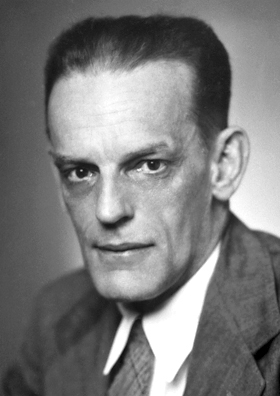
Max Theiler
 South Africa
Birthday
+1899-01-30
Birth Sign
Sagittarius
Birthplace
Pretoria
Age
Died at 73
About
Max Theiler, born on January 30, 1899, in Pretoria, was a South African-American virologist and physician whose work saved millions of lives. He is best known for developing the yellow fever vaccine in 1937, a breakthrough that earned him the Nobel Prize in Physiology or Medicine in 1951, making him the first African-born Nobel laureate. Theiler's journey began in South Africa, where he completed his medical degree, then moved to London for postgraduate studies at St Thomas's Hospital Medical School and the London School of Hygiene and Tropical Medicine, earning a diploma in tropical medicine and hygiene in 1922. That same year, he crossed the Atlantic to work at Harvard University's School of Tropical Medicine, beginning a lifelong career in the United States. In 1930, he joined the Rockefeller Foundation in New York, eventually becoming the director of its Virus Laboratory.
Fame & Fandom
Max Theiler never courted a crowd in the way modern celebrities do, yet his legacy commands a reverence that transcends traditional fandom. There is no organized fanbase with a specific name, no billboards erected by admirers, and no rituals performed on anniversaries of his birth or death. Instead, his supporters are institutions like the Rockefeller Foundation and the global medical community, who keep his story alive through academic study and historical commemoration. The "fan projects" associated with him are not charity drives but the very vaccines he created, which continue to protect millions from yellow fever decades after his passing. His legend is built entirely on verified scientific milestones rather than viral moments or pop-culture anecdotes; the stories told about him are those doctors share with students about how he transformed a deadly virus into a cure. While he lacks the chart-topping fame of entertainers, his impact on human health remains a monumental chapter in global history. In August 2026, iFANN's Global Fame Engine evaluated Max Theiler's standing across all metrics of public recognition. He does not currently hold a placement in the published rankings for the Global Top 1,000 or any Top-100 scope list. This absence of a numeric rank reflects his status as a historical figure whose fame is measured in lives saved rather than current search volume or media consumption signals.
Interesting Facts and Legends
Born in Pretoria in 1899, Max Theiler completed his medical degree in South Africa before moving to London and then Harvard University. His most celebrated achievement was the development of the 17D yellow fever vaccine while working at the Rockefeller Foundation in the late 1930s. This breakthrough involved attenuating the virus to create a live vaccine that provided safe, lifelong immunity, becoming the standard for prevention worldwide. In 1951, he received the Nobel Prize in Physiology or Medicine, making him the first African-born laureate and the only person honored specifically for developing a viral vaccine. Following his death in New Haven in 1972, his work remained a pivotal reference point in tropical medicine. A widely retold story among historians details how his research directly halted major outbreaks in Africa and South America during the mid-20th century. Unlike many figures of his era, Theiler did not engage with mass audiences through social media or public appearances, preferring the quiet intensity of laboratory work. His legacy endures not through fan lore but through the continued efficacy of the vaccine he created, which stands as one of the few Nobel Prizes awarded for a single virus-related discovery.
Death & Aftermath
Died
+1972-08-11 (aged 73)
Death Place
New Haven, Connecticut, USA
Cause of Death
Natural causes
The scientific community marked Max Theiler's passing with immediate tributes in major journals like Nature and Mayo Clinic Proceedings, cementing his legacy as the architect of the 17D yellow fever vaccine that continues to save lives globally. This enduring recognition followed a quiet end for the Nobel laureate, who passed away on August 12, 1972, while still actively engaged in his work at the Rockefeller Foundation's Institute of Medical Research in New Haven, Connecticut. At 73 years old, Theiler died in the city where he had spent decades advancing virology, though no specific medical details regarding the exact mechanism of his death were released by family or hospital officials. Immediate coverage appeared in The New York Times the following day under the headline "Dr.
Max Theiler, Nobel Laureate For Yellow Fever Work, Dies," highlighting his status as the first African-born winner of the prize. Unlike pop culture figures who might see vigils or memorial murals, the reaction remained within the academic sphere, focusing on retrospective articles that celebrated his contributions to immunology. While details regarding the specific date, location, or nature of his funeral service remain unrecorded in available sources, his interment occurred somewhere in the United States near his place of work. Posthumously, his name was honored through induction into the National Inventors Hall of Fame and the establishment of various scholarships and awards dedicated to the fields of virology and immunology, ensuring his impact persisted long after his final breath.
Awards & Accolades
Keywords
Quick Facts
- Profession
- physician, chemist, virologist
- Born
- +1899-01-30
- Birthplace
- Pretoria
- Died
- +1972-08-11
- Death Place
- New Haven
- Gender
- Male
- Birth Sign
- Sagittarius
Join the community
fans discussing