 United States
“Maury Povich details how the infamous Jenny Jones Show killing changed everything for daytime TV, highlighting the industry's shift toward safer, less volatile content.”
Entertainment Weekly Staff
Entertainment Weekly
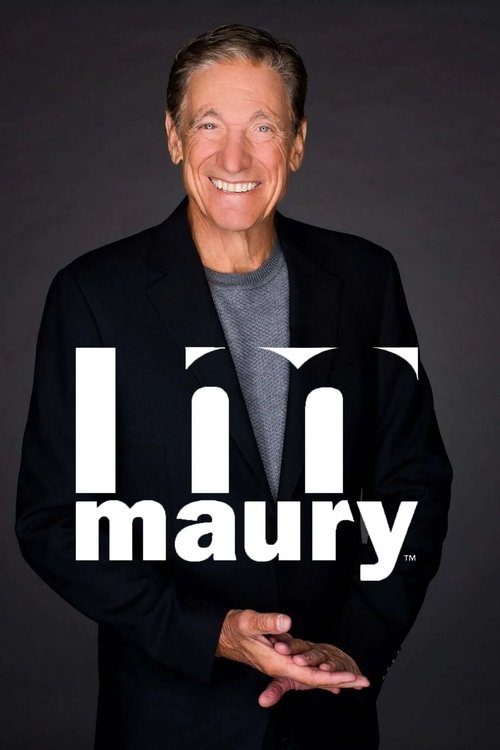
When Maury premiered on September 9, 1991, it carved out a distinct niche in the daytime landscape by blending tabloid sensationalism with the veneer of investigative journalism. Hosted by Maurice Richard Povich, the series transformed private family disputes into public spectacles, relying on high-stakes confrontations rather than traditional news reporting or empathetic counseling. The format turned biological truth versus perceived reality into the central conflict, creating an arena where emotional volatility became the primary currency.
For thirty-one years, the show operated as a theatrical courtroom where accusations were shouted and physical altercations frequently broke out before the studio audience. Each episode typically featured three distinct segments ranging from paternity disputes to lie detector tests, all culminating in the presentation of scientific evidence. This rigid structure allowed the program to maintain a consistent tone of shock value while presenting itself as a source of factual resolution for complex personal issues.
Stream
Availability and pricing can change. Confirm on the provider's site before purchasing.
The premise of Maury was deceptively simple yet effectively engineered for maximum dramatic tension. Individuals appeared on stage to confront others about their relationships, demanding answers regarding paternity, infidelity, drug use, or financial deceit. Unlike traditional narrative arcs found in scripted television, the series did not follow long-term character development. Instead, each episode functioned as a self-contained microcosm of human dysfunction, designed to escalate quickly toward a climactic reveal. Guests were selected through auditions that often targeted extreme socioeconomic backgrounds and volatile interpersonal dynamics, ensuring a steady stream of raw, unfiltered reactions.
The set design played a crucial role in this dynamic, featuring a raised platform for the host and tiered seating that placed guests and the audience in close proximity. This layout created a sense of immediacy, turning the crowd into active participants who cheered, booed, and reacted physically to the unfolding drama. Maury Povich served as the ringmaster of this chaos, guiding viewers through scenes of shouting matches and tearful confessions with his signature stern demeanor. His role required balancing the demand for honesty with the need to feed the audience's desire for spectacle.
Throughout its run, the show maintained a focus on DNA testing as the ultimate arbiter of truth. The segment known as "You Are Not the Father" became the most famous recurring theme, capitalizing on the rising popularity of genetic testing technology during the 1990s. As the decades progressed, the scope expanded to include cheating partners, hidden addictions, and custody battles, but the core structure remained unchanged. A buildup of tension led to a dramatic confrontation, followed by the presentation of evidence, usually polygraph outcomes or DNA results, that either validated or shattered the guests' claims.
The series avoided deep character introspection or moral judgment, preferring to let the raw emotion speak for itself. By the time the show concluded, it had become a cultural touchstone synonymous with the most outrageous moments in daytime television history. The sheer volume of episodes produced over three decades meant that thousands of stories were told, each following the same pattern of accusation, denial, and revelation. The show relied on the immediacy of the moment and the visceral impact of the results rather than any attempt at nuanced storytelling or social commentary beyond the immediate drama.
Critical Consensus
Critics describe the series as the archetype of the tabloid talk show genre, blending sensationalism with a veneer of investigative journalism. While frequently criticized for prioritizing shock value over substance, the show is acknowledged for its massive cultural footprint and the unique chemistry between Maury Povich and his volatile guests. Reviews often note its polarizing nature, describing it as both an exploitative circus and a fascinating cultural document of American family dynamics.
“Maury Povich details how the infamous Jenny Jones Show killing changed everything for daytime TV, highlighting the industry's shift toward safer, less volatile content.”
Entertainment Weekly Staff
Entertainment Weekly
“The show turned personal trauma into prime-time spectacle, creating a legacy of 'You Are Not the Father!' that transcended the screen.”
Variety Analysis
Variety
“A masterclass in chaos, the series proved that raw emotion and scientific tests could create addictive television for millions.”
IndieWire Review
IndieWire
Maury Povich
Self - Host
Join the community
fans discussing