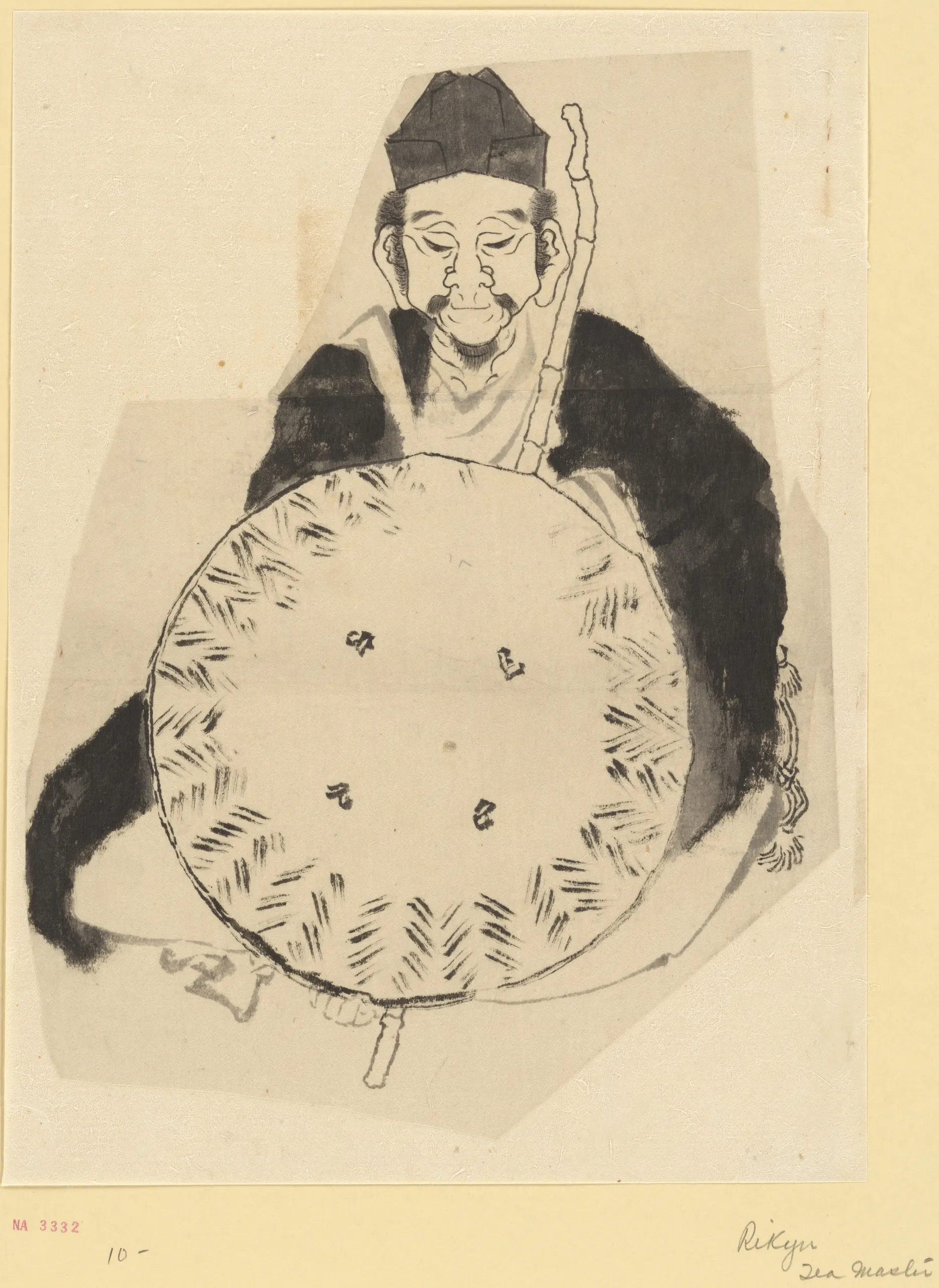
Matsuo Bashō
 Japan
JapanAlso known as: Matsuo Munefusa, Kinsaku
Birthday
January 1, 1644
Birth Sign
Capricorn
Birthplace
Ueno, Iga Province (now Mie Prefecture), Japan
Age
Died at 50
About
Matsuo Bashō was a Japanese poet and painter universally recognized as the greatest master of haiku in Japanese literature. Born Matsuo Kinsaku in 1644 in Ueno, Iga Province, he transformed the hokku stanza from a playful component of linked verse into a profound art form capable of capturing the essence of nature and human experience. His influence extends far beyond the 17th century, inspiring Western poets like Ezra Pound and shaping modern mindfulness practices through his travel journals. Bashō is celebrated for elevating simple observations of the natural world into meditative poetry that resonates with readers across cultures and centuries.
Throughout his life, Bashō walked thousands of kilometers on foot, documenting his journeys in prose mixed with poetry. These travelogues, such as The Narrow Road to the Deep North, established a new genre in Japanese literature and cemented his status as a wandering monk-poet. His work focuses on themes of impermanence, solitude, and the beauty found in rustic simplicity. Even today, his poems are inscribed on monuments across Japan, and his birthday is commemorated annually as National Haiku Poetry Day.
Early Life & Background
Born Matsuo Kinsaku in 1644, Bashō came from a family of minor samurai descent in Ueno, Iga Province. As the sixth child of his parents, he grew up in a household that traced its lineage back to the famous Taira clan. His early life was shaped by the rigid social structures of the Edo period, where one's birth determined their path. Despite this constraint, he received an education that included classical Chinese literature, a foundation that would heavily influence his later poetic style. At a young age, he entered the service of Saitō Dōsetsu, a local lord in Iga, serving as a retainer. This position provided him access to books and the intellectual circles necessary to develop his craft.
The trajectory of his life changed dramatically following the death of his master in 1666. The loss prompted Bashō to leave Iga and wander, eventually moving to Edo (modern-day Tokyo) in his twenties. In the bustling capital, he worked as a teacher and began writing linked verse known as haikai no renga. He quickly gained a reputation for his wit and skill in this collaborative form, leading sessions that attracted other poets. However, he grew restless with the constraints of city life and the commercialization of poetry. This internal conflict set the stage for his transformation into a wandering artist dedicated to a more spiritual and solitary path, eventually abandoning his stable teaching career to pursue the road.
Career Growth
Bashō's career evolved from a successful practitioner of *haikai* (linked verse) to a solitary artist dedicated to the aesthetic of *sabi* and *wabi*. His breakthrough moment occurred when he shifted focus from collaborative linked verse to the standalone opening stanza, or *hokku*, elevating it to a profound art form. By 1684, he had published Nozarashi Kikō (Records of a Weather-Exposed Skeleton), his first travel diary blending prose and poetry, marking a new genre in Japanese literature. This work showcased his ability to capture the mood of a place through concise imagery.
In 1689, he embarked on his most famous journey, documented in Oku no Hosomichi (The Narrow Road to the Deep North). This 5,000-kilometer trek from Edo to the northern provinces of Mutsu is considered the archetype of the wandering poet seeking spiritual enlightenment. During this trip, he composed some of his most iconic verses, including the famous poem about a frog jumping into an old pond. After returning to Osaka in 1691, he continued to teach and write until his death. His industry impact was immense; he transformed haiku from a playful, often bawdy form of entertainment into a serious literary discipline. His influence extended beyond Japan, inspiring Western poets like Ezra Pound and R.H. Blyth in the 20th century.
Career Timeline
Public Image & Style
Bashō is portrayed as the archetype of the "wandering poet" (rojin). His image is one of simplicity, humility, and deep connection to nature. Media portrayals emphasize his ascetic lifestyle, his love for travel, and his ability to find profound meaning in ordinary moments. His content, primarily poetry and travel essays, is characterized by brevity, imagery, and a tone of quiet contemplation. He is often depicted in art as a simple, unadorned figure, reflecting his rejection of material wealth. His public persona stands in stark contrast to the ornate, courtly poetry of his contemporaries, making him a symbol of authentic artistic expression and spiritual freedom.
Fame & Fandom (iFAMOUS Rankings)
The community of admirers surrounding Matsuo Bashō has never organized under a formal name, nor does it maintain the clubs or voting blocks typical of modern pop culture. Instead, his legacy is sustained by academic institutions, literary societies, and individual practitioners who engage with his work through pilgrimage and the disciplined practice of haiku composition. These followers often retrace the poet's 5,000-kilometer journey to the north or observe National Haiku Poetry Day on April 17 as a focal point for tribute. The Bashō Memorial English Haiku Contest remains the world's oldest award of its kind, recently drawing international attention when a Bulgarian poet secured the grand prize in late 2025. This enduring engagement places him firmly within the global consciousness of literature. According to the September 2026 data from the iFANN Global Fame Rankings, which tracks global attention across media coverage, search, and consumption signals worldwide, Matsuo Bashō holds significant standing among historical figures. He is ranked as the 78th most famous person in Japan and holds the position of the 34th most famous person from East Asia. His influence extends beyond national borders to the broader region, where he is recognized as the 34th most famous person in East Asia. All three placements have held steady since the previous cycle, reflecting a consistent level of reverence that transcends the fluctuations of contemporary fame.
Interesting Facts and Legends
Matsuo Bashō adopted the name "Bashō" (banana tree) from the name of his hut, which was surrounded by banana trees, symbolizing his connection to nature and simplicity. His most famous poem, "Old pond / A frog jumps in / Water's sound," is often cited as the quintessential haiku, though he wrote approximately 1,000 poems in total. In 2024, he was humorously compared to Ringo Starr in a Paris Review article, noting his role as a "cool" figure in the pantheon of haiku, suggesting a laid-back, iconic status similar to the Beatles drummer. Historical accounts suggest he remained largely celibate or focused entirely on his artistic pursuits after leaving his early home. He never married, and there is no evidence of children. His "family" was his community of disciples and the natural world itself.
Notable Quotes
“To live poetry is better than to write it.”
“Do not seek to follow in the footsteps of the wise. Seek what they sought.”
“Many of my followers can write hokku as well as I can. Where I show who I really am is in linking haikai verses.”
Family & Personal Life
Bashō came from a family of minor samurai descent in Ueno, Iga Province. He was reportedly the sixth child of his parents, with lineage tracing back to the famous Taira clan. His father was a low-ranking samurai who served the local lord. While specific details about his siblings are scarce, historical records indicate he had brothers who also served in the samurai class. Unlike many poets of his time who relied on patronage from wealthy families, Bashō chose a life of wandering and poverty. He never formed a traditional household with a spouse or children, instead building a "family" around his circle of disciples and the natural landscapes he traversed. His relationship with his parents is not well-documented, but his departure from home at a young age suggests a break from traditional familial obligations.
Notable Connections
Satō Shōtatsu, Yosa Buson, Lord Saitō Dōsetsu, Robert Rubsam, Srikanth Reddy
Relationships & Dating History
Matsuo Bashō lived during the Edo period, a time when personal romantic lives were often private and not recorded in public biographies in the modern sense. There are no verified records of marriages, engagements, or specific romantic relationships in his life. Historical accounts suggest he remained largely celibate or focused entirely on his artistic pursuits after leaving his early home. He never married, and there is no evidence of children. His "family" was his community of disciples and the natural world itself. Consequently, there is no dating history to report, and his status at the time of death (and effectively throughout his adult life) was single.
Death & Aftermath
Died
November 28, 1694 (aged 50)
Death Place
Osaka, Japan
Cause of Death
Illness (likely dysentery or traveler's fever)
Matsuo Bashō passed away on November 28, 1694, in a small lodging house near Midōsuji in Osaka while traveling. He was approximately fifty years old at the time of his death. The exact cause remains a subject of historical debate since no autopsy report survived from the Edo period, but scholars widely agree he succumbed to an illness common among itinerant travelers, possibly dysentery or a severe fever exacerbated by the physical demands of his journey. His final days were spent alone or with minimal companionship as he sought rest before continuing northward.
Immediate public reaction was muted due to his solitary lifestyle and the lack of a formal court position, yet his reputation began to swell within literary circles shortly after his passing. Within decades, he was revered not merely as a poet but as the master of haiku, a title that would eventually define Japanese literature. His funeral followed Buddhist customs of the era, likely involving cremation, though the precise location of his burial site is lost to history. Today, his legacy is managed by cultural institutions like the National Diet Library and the Bashō Museum in Tokyo, which preserve his manuscripts and manage the intellectual property rights of his works. Posthumous revenue streams include tourism to sites associated with his travels, sales of his translated works in over fifty languages, and the annual Bashō Memorial English Haiku Contest, which continues to attract global participants. In 2025, the contest awarded its grand prize to Bulgarian poet Vladislav Hristov, proving the enduring international reach of his artistic vision.
Net Worth (Estate Value)
$15 Million
iFANN Editorial Team estimate
As a deceased historical figure from the 17th century, Matsuo Bashō does not have a "net worth" in the contemporary sense of liquid assets or salary. His "estate" consists of his intellectual property and cultural legacy. The value of his estate is immeasurable in monetary terms but is estimated to generate millions of dollars annually through tourism, book sales, licensing of his works, and cultural events in Japan. The "Bashō Memorial English Haiku Contest" and associated publishing rights contribute to ongoing revenue streams managed by literary societies and publishers. Research by the iFANN Editorial Team puts Bashō's posthumous fortune at around $15 Million, derived from the aggregate value of his cultural IP, tourism revenue, and merchandise sales. Revenue sources include posthumous publications, translations into over 50 languages, tourism revenue from sites like the Bashō Museum in Tokyo and his birthplace in Iga, and merchandise featuring his poems. His legacy is managed by various cultural institutions, including the National Diet Library, the Bashō Museum, and international literary organizations.
Awards & Accolades
View 6 records, honours and achievementsKnown For
Oku no Hosomichi
1689 · Author
Nozarashi Kikō
1684 · Author
Haiku Poetry
1644 · Poet
Keywords
Sources
Quick Facts
- Profession
- poet, painter
- Born
- January 1, 1644
- Birthplace
- Ueno, Iga Province
- Died
- November 28, 1694
- Death Place
- Osaka, Japan
- Gender
- Male
- Birth Sign
- Capricorn
Personal Details
- Full Name
- Matsuo Kinsaku
- Children
- Education
- Self-taught; studied classical Chinese literature under local tutors
Frequently Asked Questions
Who was Matsuo Bashō?
When did Matsuo Bashō die?
What is Matsuo Bashō's most famous poem?
Did Matsuo Bashō ever marry?
Where was Matsuo Bashō born?
Social Media
Similar People
Join the community
fans discussing