 Egypt
EgyptAbout
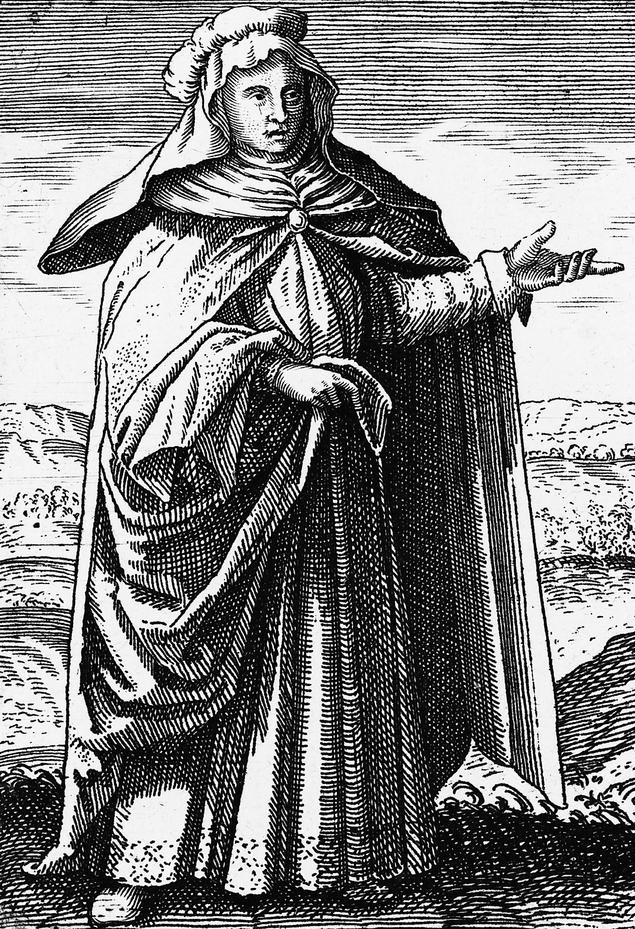
Emerging from the vibrant intellectual hub of Alexandria, Mary the Jewess stands as one of history's earliest and most influential alchemists and writers. Known also as Mary the Prophetess or Maria Hebraea, her work is documented through the writings of Zosimos of Panopolis, who lived around 300 CE. Scholars like Marilyn French and F. Sherwood Taylor place her active period no later than the first century CE, making her a foundational figure in Western alchemy. She wasn't just a theorist; Mary is credited with inventing essential laboratory equipment still in use today, most notably the bain-marie, a water bath crucial for controlled heating in chemical processes.
Fame & Fandom
Mary the Jewess commands a unique kind of immortality, not through modern fan campaigns or viral moments, but through the enduring silence of her laboratory tools. There is no organized fanbase with a formal name, nor are there rituals of digital devotion or midnight watch parties for this ancient Alexandrian figure. Her audience consists of chemists, historians, and alchemy enthusiasts who revere her as the Mother of Alchemy rather than a pop icon. The legends surrounding her are strictly historical, anchored in the invention of the bain-marie and the kerotakis, apparatuses that bridge the gap between mysticism and empirical science. She operates outside the realm of celebrity culture where crowds faint or streets shut down; instead, her fame is measured by the continued utility of her discoveries in laboratories two millennia later. While contemporary media sometimes conflates her with modern figures, the reality remains grounded in the writings of Zosimos of Panopolis and the foundational texts of Western chemistry. This absence of a living, breathing fandom only sharpens the focus on her actual legacy. Despite the quiet nature of her following, Mary the Jewess holds a significant position in global cultural memory according to the iFANN Global Fame Rankings. She is currently the 67th most famous person from Egypt, a ranking that has held steady since the previous cycle. This placement reflects a global attention that spans academic circles and historical curiosity.
Interesting Facts and Legends
Mary the Jewess invented the bain-marie, a water bath used for gentle heating that remains a staple in chemical processes today. She also created the kerotakis, a distillation device designed to separate substances using steam or heated water. Medieval scholars attributed the three stages of the Great Work, calcination, dissolution, and coagulation, to her, cementing her status as the founder of alchemical theory. Historical accounts describe her philosophy as a bridge between science and mysticism, influencing later Gnostic Christian writers like Zosimos of Panopolis. A persistent story in alchemical tradition portrays her as the first true alchemist of the Western world, earning her the title 'Mother of Alchemy.' Unlike modern celebrities whose legends involve crowd reactions or stage disruptions, Mary's iconic moments are rooted in the quiet innovation of her workshop in Alexandria. These narratives are verified historical accounts based on ancient texts rather than folklore or unverified viral incidents. Her work was documented by Zosimos of Panopolis around 300 CE, placing her active period no later than the first century CE.
Awards & Accolades
Keywords
Quick Facts
- Profession
- architect, alchemist, writer
- Birthplace
- Alexandria
- Gender
- Female
Join the community
fans discussing