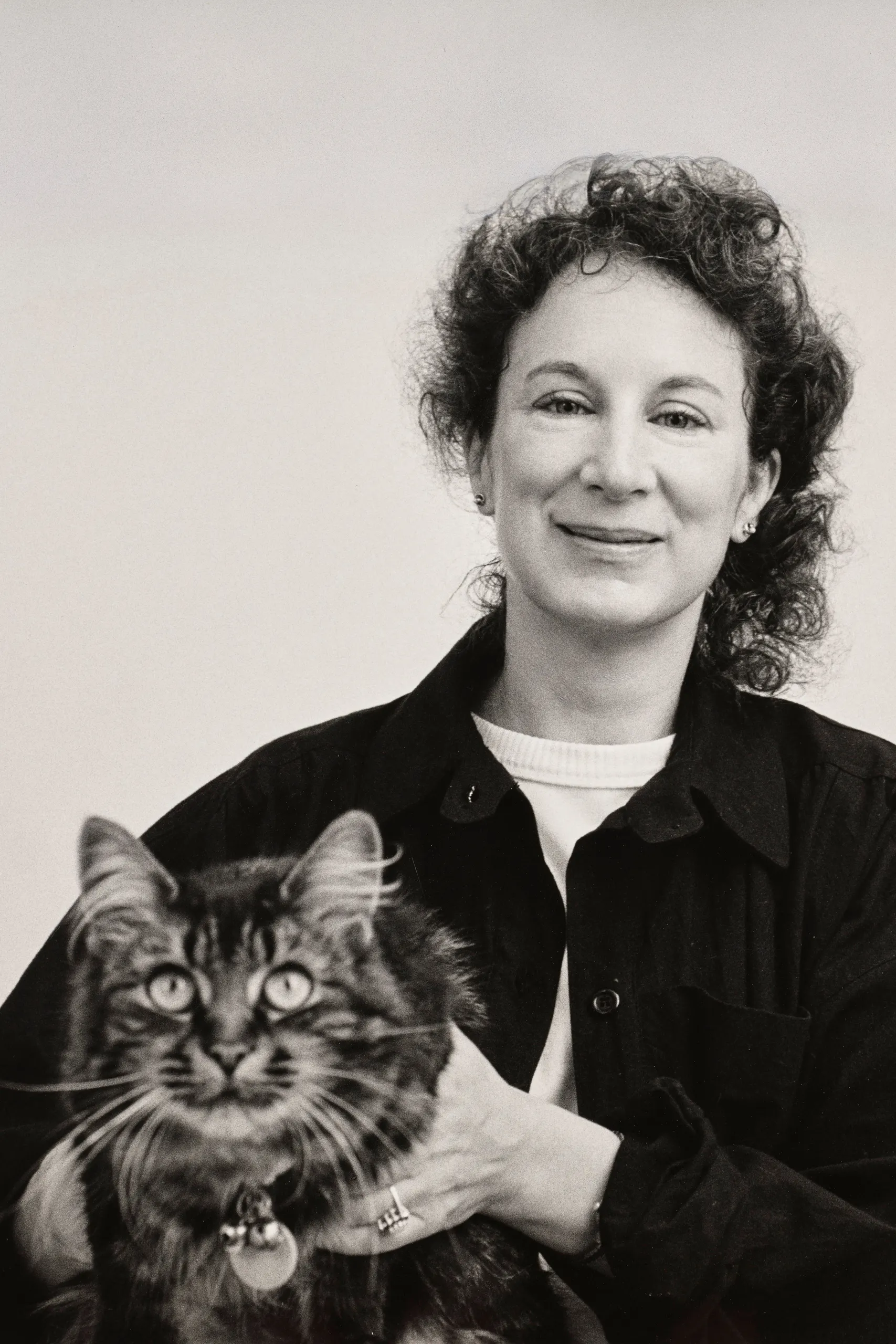
Mary Renault
 South Africa
Also known as: Eileen Mary Challans, M. Renault
Birthday
September 4, 1905
Birth Sign
Virgo
Birthplace
Forest Gate, London, England
Age
Died at 78
About
Eileen Mary Challans, known professionally as Mary Renault, was a pioneering British novelist who carved a unique space in historical fiction with her vivid tales of ancient Greece and Rome. Born in London's Forest Gate in 1905, she studied English at St Hugh's College, Oxford, graduating in 1928. After a stint as a nurse, she published early contemporary romances before shifting to the ancient world that would define her career. In 1948, Renault moved to South Africa with her partner, Julie Mullard, settling in Durban and later Cape Town. That move proved liberating: away from England's repressive censorship, she could write openly about gay characters and themes. Her historical novels, including The King Must Die, The Bull from the Sea, and The Persian Boy, became international bestsellers and earned her a devoted following, particularly among gay readers who found rare positive representation in her work. Renault died in Cape Town in 1983, leaving behind a legacy of fiction that continues to captivate readers with its psychological depth and classical scholarship. She is widely recognized for blending rigorous historical research with emotional intimacy, creating what critics call 'the very breath of Bronze Age Greece.' Her works are frequently taught in university courses on classical studies and LGBTQ+ literature, solidifying her status as a scholar-novelist.
Early Life & Background
Eileen Mary Challans entered the world on September 4, 1905, in Forest Gate, Essex, which is now part of Greater London. She was the only child of Henry Challans, a solicitor, and his wife. Her upbringing was relatively sheltered, fostering an early and intense love for reading and storytelling that would eventually consume her life. She attended local schools before securing a place at St Hugh's College, Oxford, in 1924. There she studied English literature until 1928, graduating with a Bachelor of Arts degree. During these formative years at Oxford, she developed a deep fascination with classical history and mythology, laying the groundwork for her future literary pursuits. Before turning to full-time writing, Renault trained as a nurse, qualifying in 1932 after working at a hospital in London. This experience profoundly influenced her writing, providing her with firsthand knowledge of human suffering, resilience, and the physical realities of life, themes that permeate her later works. She began her professional writing career with contemporary romance novels, a genre popular in the 1930s and 1940s. Her first novel, Puritan Island, appeared in 1938, followed by other contemporary titles like The Friendly Young Ladies in 1957. However, her career-defining moment came when she shifted her focus to historical fiction. In 1948, seeking freedom from the restrictive censorship laws regarding homosexuality in Britain, she moved to South Africa with her partner, Julie Mullard. Settling first in Durban and later in Cape Town, this relocation proved liberating. It allowed her to write openly about gay characters and themes without fear of prosecution or social ostracization.
Career Growth
Renault's professional journey took a definitive turn when she shifted her focus to historical fiction. The Theseus Trilogy, comprising The King Must Die (1958) and The Bull from the Sea (1962), reimagined the myth of Theseus with rigorous historical scholarship and psychological depth. Similarly, her Alexander the Great trilogy, Fire from Heaven (1969), The Persian Boy (1972), and Funeral Games (1981), brought the Macedonian king to life with unprecedented intimacy and accuracy. The Persian Boy, narrated by Alexander's lover Bagoas, was particularly celebrated for its exploration of same-sex love in antiquity. Her final novel, The Mask of Apollo (1981), focused on the Greek playwright Euripides. Renault's work earned her a devoted following, particularly among LGBTQ+ readers who found rare, positive representation in her characters. She received numerous accolades, including the Silver Pen Award in 1961 for The King Must Die, and honorary degrees from Yale University and the University of South Africa. Her books have been included in TIME Magazine's list of the 100 Best Novels of the 20th Century and frequently appear on Rolling Stone's essential historical fiction lists. Major publishers like Penguin Random House and Virago Books continue to publish her works, generating royalties through reissues and new editions. The estate is managed by her literary agents, ensuring her works remain in print and accessible. Her legacy continues to thrive through academic study and the enduring popularity of her novels among readers interested in historical fiction and LGBTQ+ literature.
Career Timeline
Public Image & Style
Mary Renault is portrayed as a serious, intellectual writer who combined rigorous historical research with emotional depth. Her public image is one of quiet dignity and scholarly dedication, with a focus on her contributions to both historical fiction and queer literature. She maintained a low profile and rarely gave interviews, preferring to let her work speak for itself. Her reserved demeanor and reclusive nature in later years contrasted with the boldness of her subject matter, creating a unique aura of mystery around the author behind the acclaimed novels. She is described as having a reserved and intellectual demeanor, consistent with her scholarly background. Despite her fame, she avoided the spotlight, never appearing on mainstream magazine covers like modern celebrities, though her works were featured extensively in The New York Times Book Review and The Guardian. Her physical attributes are not widely documented, but her presence was noted for its calm authority. She is remembered as a figure who let her words do the talking, embodying the ideal of the writer as a dedicated craftsman rather than a celebrity.
Fame & Fandom (iFAMOUS Rankings)
Mary Renault commands a profound, enduring global attention that transcends the fleeting nature of modern celebrity, anchoring herself firmly in the canon of historical fiction and queer literature. Her reputation rests on decades of scholarly influence rather than contemporary viral spikes or mass-market celebrity metrics. As of September 2026, iFANN has evaluated her standing, noting that she holds an EVALUATED_UNRANKED status; she currently does not hold a placement within the Global Top 1,000 or any Top-100 scope list published by the engine. This absence of a ranked position reflects her status as a revered author whose work is studied and cherished rather than consumed through the metrics of active pop-culture fame. While she does not appear on current popularity charts, her legacy remains robust among readers and scholars worldwide. The fanbase associated with Mary Renault has no formal name documented in authoritative records. Unlike modern icons who mobilize organized campaigns or maintain dedicated social media tribes, Renault's audience consists of devoted readers and literary historians who engage with her texts privately or through academic circles. There are no official fan clubs, birthday billboards, or fan-funded projects linked to her name. Her connection to the public was always mediated through her writing, particularly her groundbreaking exploration of ancient Greece and gay identity, which resonated deeply without requiring the infrastructure of a managed fandom. An official Facebook page (@MaryRenaultAuthor) serves as a hub for fans and scholars to discuss her works, but it lacks the active, large-scale engagement seen with living stars. Her influence is most visible in university syllabi and critical essays rather than trending topics.
Interesting Facts and Legends
Mary Renault was born Eileen Mary Challans in London's Forest Gate before adopting her pen name and moving to South Africa with her partner Julie Mullard in 1948. This relocation allowed her to write openly about gay themes free from England's strict censorship laws. She trained as a nurse early in her career, a profession that informed her later depictions of human suffering and resilience. Her novel The Charioteer, published in 1953, stands as a landmark in queer literature, explicitly addressing homosexuality at a time when such topics were heavily stigmatized and censored. Critics often cite this work as a precursor to the gay liberation movement. Another pillar of her legacy is her Alexander trilogy, comprising Fire from Heaven, The Persian Boy, and Funeral Games, alongside The King Must Die. These works are celebrated for blending rigorous historical scholarship with emotional depth to bring figures like Alexander the Great and Theseus to life. A recurring story in literary circles highlights how she selectively utilized myths to shape her narratives, creating what one reviewer called 'the very breath of Bronze Age Greece.' Despite her reclusive nature, she maintained an elusive presence even decades after her death in 1983. It is important to distinguish her from other individuals sharing her name; recent obituaries refer to unrelated persons, while her own biography remains defined by her posthumous literary influence. She once stated, 'It is the mark of little men to like small things,' reflecting her philosophical outlook. Her works are frequently cited in lists of essential historical fiction by major publications.
Notable Quotes
“It is the mark of little men to like small things.”
“What we loathe, we graft into our very soul.”
Family & Personal Life
Mary Renault was the only child of Henry Challans, a solicitor, and his wife. Her childhood was marked by a sheltered upbringing that fostered her early love for reading and storytelling. There is no public record of other romantic relationships or marriages prior to or during her time with Mullard. They had no children together. Her parents' home provided a stable environment that nurtured her intellectual curiosity. While details of her mother's name are not widely documented, the household dynamic was one of quiet support for her education. The family lived in Forest Gate, where she spent her formative years before attending Oxford. The absence of siblings meant she often turned to books and imagination as companions. This solitary nature persisted throughout her life, influencing her preference for a low-profile existence despite her growing fame. The family's legal background, through her father, may have subtly informed her understanding of societal structures and constraints, though she ultimately chose to defy many of them.
Notable Connections
Julie Mullard, Daniel Mendelsohn, Miranda Carter
Relationships & Dating History
Mary Renault's personal life was marked by a long-term, committed partnership that was central to her ability to write freely. In the early 1940s, while working as a nurse, she met Julie Mullard, a fellow nurse. Their relationship evolved into a lifelong partnership; they lived together in South Africa from 1948 until Renault's death. While they never married due to the legal and social constraints of the time (and potentially their own preferences), they were widely recognized as life partners. There is no public record of other romantic relationships or marriages prior to or during her time with Mullard. They had no children together. At the time of her death in 1983, she was living with Mullard, and their relationship remained a significant part of her biography, representing a quiet but powerful act of defiance against the societal norms of mid-20th-century Britain. Following her death, Julie Mullard continued to manage aspects of her legacy, though specific details of Mullard's later life are less documented. The couple's relationship remains a significant part of Renault's biography, representing a quiet but powerful act of defiance against the societal norms of mid-20th-century Britain.
- DatedJulie Mullard1940 - presentMet while working as nurses; lived together in South Africa from 1948 until Renault's death in 1983.
Death & Aftermath
Died
December 13, 1983 (aged 78)
Death Place
Cape Town, South Africa
Cause of Death
lung cancer
Mary Renault spent her final years in the quiet coastal air of Cape Town, South Africa, where she had settled with her partner Julie Mullard decades earlier to write freely about gay love and ancient history. She passed away on December 13, 1983, at the age of 78 within a nursing home in that city after a period of declining health. The official cause was lung cancer, a fact confirmed by biographical consensus without dispute or legal investigation into the circumstances. The literary world responded with immediate recognition of her enduring legacy, particularly regarding her exploration of queer themes in works like The Charioteer and her Alexander trilogy. Critics noted that her insights remained as relevant thirty years later as they had been upon publication. Posthumously, her estate has been managed through the continued publication and reissue of her novels by major publishers such as Penguin Random House and Virago Books. The Mary Renault Society emerged to promote her work, ensuring her stories continue to be recommended for their historical accuracy and emotional depth. Her books remain staples in reading groups dedicated to exploring gay themes and classical antiquity. Recent news items from 2026 highlight renewed interest in her writings, particularly in the context of LGBTQ+ literature and historical fiction. Her works are frequently taught in university courses on classical studies and LGBTQ+ literature, solidifying her status as a scholar-novelist.
Net Worth (Estate Value)
$5 Million
iFANN Editorial Team estimate
As Mary Renault passed away in 1983, her net worth is now reflected in the value of her estate. Specific figures for her net worth at the time of death are not publicly disclosed in detail, but her estate continues to generate significant revenue through book sales, licensing deals, and adaptations. The iFANN Editorial Team estimates the current value of her estate at approximately $5 Million. Major publishers like Penguin Random House and Virago Books continue to publish her works, generating royalties. Reissues and new editions of her books contribute to ongoing income. The estate is managed by her literary agents and publishers, ensuring her works remain in print and accessible. Her legacy continues to thrive through academic study and the enduring popularity of her novels among readers interested in historical fiction and LGBTQ+ literature. Posthumous releases and new editions ensure a steady stream of revenue. The management of her estate ensures that her works remain available to new generations of readers, maintaining her financial relevance decades after her passing.
Awards Won (3)
Mary Renault received several prestigious awards and honours throughout her career, recognizing her contributions to literature and her unique place in queer history. She won the Silver Pen Award in 1961 for The King Must Die. She also received honorary degrees from Yale University and the University of South Africa. Her work has been posthumously recognized with the Lambda Literary Award for her contribution to LGBTQ+ literature. She was recognized for her lifetime achievement in historical fiction by the British Book Awards. Her works are frequently included in Greatest Historical Fiction lists by major publications.
1961 · Historical Fiction
The King Must Die
1992 · Gay/Lesbian Literature
Lifetime Achievement
Known For
The King Must Die
1958 · Novel
The Persian Boy
1972 · Novel
The Charioteer
1953 · Novel
Fire from Heaven
1969 · Novel
Keywords
Sources
Quick Facts
- Profession
- novelist, biographer, nurse
- Born
- September 4, 1905
- Birthplace
- Forest Gate, London, England
- Died
- December 13, 1983
- Death Place
- Cape Town, South Africa
- Gender
- Female
- Birth Sign
- Virgo
Personal Details
- Full Name
- Eileen Mary Challans
- Children
- Education
- St Hugh's College, Oxford (BA English Literature)
Frequently Asked Questions
Who was Mary Renault?
When did Mary Renault die?
What is Mary Renault famous for?
Did Mary Renault have any children?
Why did Mary Renault move to South Africa?
Social Media
Similar People
Join the community
fans discussing