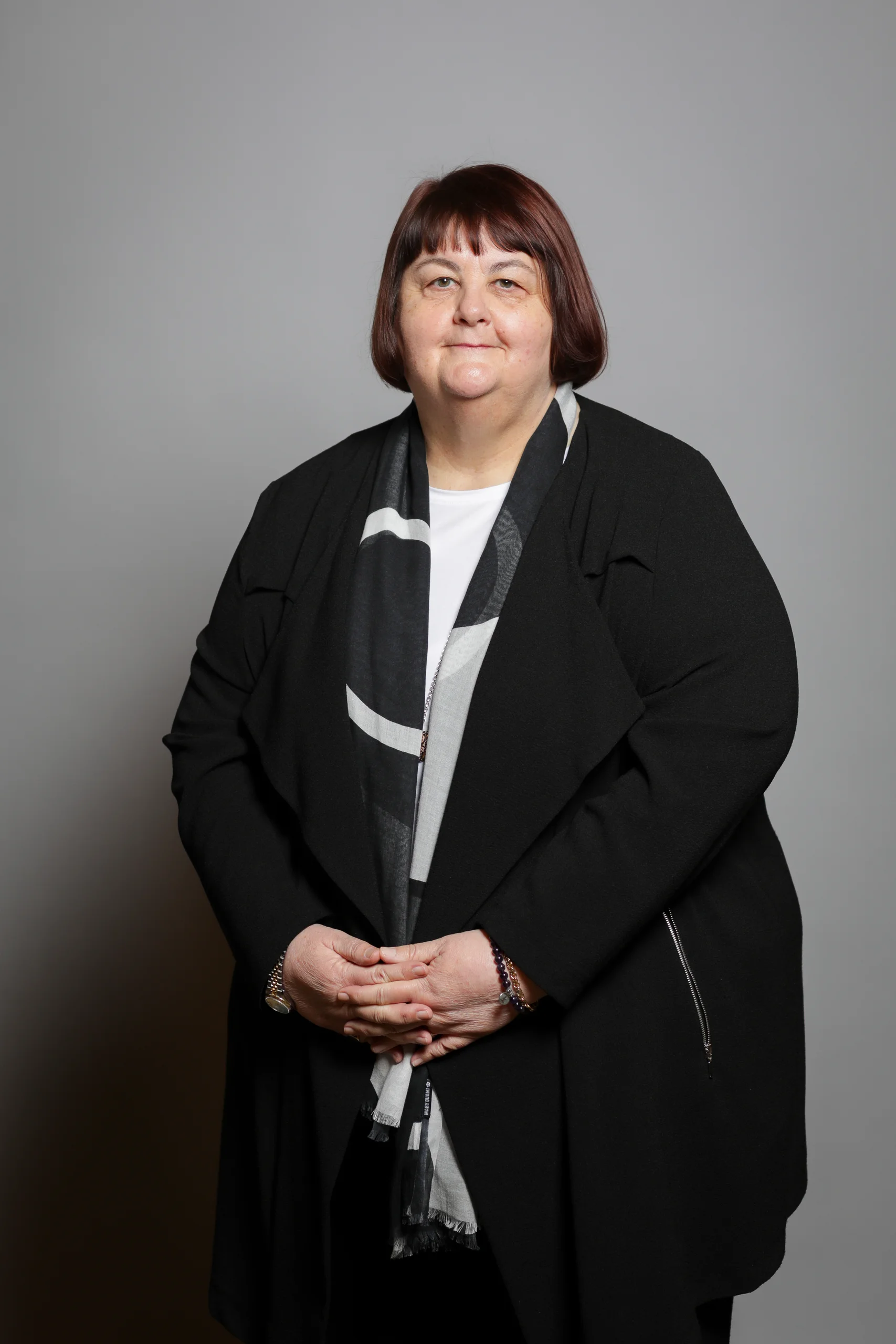
Marie Wilcox
 United States
linguist•lexicographer•farmworker
Also known as: Marie Desma Wilcox
Birthday
November 24, 1933
Birth Sign
Sagittarius
Birthplace
Visalia, California, USA
Age
Died at 87
About
Marie Desma Wilcox was an American linguist, lexicographer, and former farmworker who served as the last known native speaker of Wukchumni, a distinct dialect of the Tule-Kaweah Yokuts language family spoken in California's San Joaquin Valley. Born in 1933, she spent much of her early life working in agricultural fields before dedicating the final decades of her life to saving her heritage from extinction. Her most significant achievement was the creation of A Dictionary of the Wukchumni Language, a comprehensive resource compiled over more than twenty years that has since become the definitive reference for the language. Wilcox died in 2021 at the age of 87, leaving behind a legacy that continues to support cultural revitalization efforts for the Tule-Kaweah Yokuts people today.
Early Life & Background
Marie Desma Wilcox was born on November 24, 1933, on a ranch near Visalia, California. She was the youngest of seven children born to Beatrice Arancis and Alex Wilcox, a farmhand. Growing up within the Tule-Kaweah Yokuts community, she learned Wukchumni fluently as her first language, speaking it alongside her family and neighbors. Her childhood was deeply rooted in the agricultural traditions of the region, where her family worked the fields that defined the local economy. Despite the pressures of rural labor that often marginalized indigenous languages during that era, she maintained a strong connection to her culture and tongue.
For most of her adult life, Wilcox worked as a field worker, a profession that shaped her daily existence and kept her grounded in the community she loved. She raised her family while continuing to tend crops, living a relatively private life away from the public eye. It was not until she reached her early eighties that a pivotal realization changed the trajectory of her later years. Confronted with the knowledge that she was likely the sole remaining fluent speaker of Wukchumni, she felt an urgent need to preserve her language before it vanished completely. This moment of clarity sparked a new chapter in her life, one that would see her transform from a lifelong farmworker into a guardian of her people's history.
Career Growth
Wilcox's career is defined by a singular, monumental achievement: the documentation and preservation of the Wukchumni language. Her breakthrough began around 2011 when she fully grasped the urgency of her situation as the last native speaker. At the age of 82, she made the decision to teach herself how to use a computer, a skill she mastered entirely on her own despite having no prior experience with technology. Over the next decade, she spent countless hours typing, recording, and organizing vocabulary, grammar rules, and cultural context into a massive digital archive.
This dedication culminated in the publication of A Dictionary of the Wukchumni Language in 2020, a vital text that stands as the only comprehensive record of the language. Her work attracted international attention and was featured in the 2014 Academy Award-nominated short documentary film The Last Speaker, produced by the Global Oneness Project. The film highlighted her resilience and the critical nature of her mission, bringing global recognition to her struggle against language extinction. In 2016, the National Endowment for the Arts honored her with the "Living Treasure" designation, acknowledging her profound contribution to America's cultural heritage. She also received the Indigenous Language Leadership Award from the Foundation for Native American Languages. Although she did not pursue traditional entertainment careers, her impact on linguistics and indigenous rights remains unmatched.
Career Timeline
Public Image & Style
Marie Wilcox is portrayed in media and public discourse as a figure of quiet dignity and profound determination. Photographs and films often depict her wearing simple, practical clothing suitable for her background as a rural farmworker, sitting at a computer with intense focus. Her image is one of humble strength, transforming from an unassuming agricultural laborer into a global symbol of linguistic preservation. Media portrayals emphasize her refusal to let her language die despite the immense challenges she faced. She is remembered not for fame or wealth, but for her unwavering commitment to her culture and her willingness to learn new skills late in life to protect her heritage.
Fame & Fandom (iFAMOUS Rankings)
iFANN has not yet collected fame data for this person. Marie Wilcox does not appear on the September 2026 iFAMOUS Rankings flagship list. While she lacks a formal fandom name in the pop-culture sense, she inspired a dedicated network of activists, linguists, and Indigenous community members. These groups are highly organized, focusing on language revitalization campaigns, streaming of her documentary, and educational initiatives. Fan culture around her work involves learning Wukchumni words, sharing her story on social media, and participating in language immersion programs supported by her dictionary. She interacted with her audience primarily through her work and the documentary, which serves as a bridge between her and the global community interested in indigenous languages.
Interesting Facts and Legends
Marie Wilcox taught herself to use a computer at the age of 82 specifically to document her language. She was the youngest of seven children in her family. Her dictionary is considered the only comprehensive resource for the Wukchumni language. The documentary about her life, The Last Speaker, was nominated for an Academy Award for Best Documentary Short Subject. She often stated that she wanted to leave something for her grandchildren and emphasized that losing the language meant losing their identity. Her story is widely retold as a testament to human resilience against the odds of cultural erasure.
Notable Quotes
“I wanted to leave something for my grandchildren.”
“It is our identity. If we lose it, we lose ourselves.”
Family & Personal Life
Marie Wilcox was born to Beatrice Arancis and Alex Wilcox, a farmhand, and was the youngest of seven children. She lived her entire life in close proximity to her extended family within the Tule-Kaweah Yokuts community. Her daughter, Jennifer Wilcox, played a crucial role in supporting her mother's linguistic work and acted as a spokesperson for the family following Marie's death. Jennifer helped manage her mother's affairs and provided statements to the media regarding Marie's passing and her enduring legacy. There are no publicly recorded details about other siblings or their professions, but the family unit remained a central part of her life throughout her years as a farmworker and later as a linguist.
Notable Connections
Jennifer Wilcox, Global Oneness Project, Tule-Kaweah Yokuts Community
Relationships & Dating History
Marie Wilcox was married to a man whose name is not publicly documented in search results. Specific details regarding the duration of their marriage or any subsequent events are not widely recorded in public sources. She had a daughter named Jennifer Wilcox, who played a crucial role in supporting her mother's linguistic work and providing statements to the media regarding Marie's death and legacy. There is no publicly documented dating history or romantic relationships outside of her marriage; her public persona was entirely focused on her family and her mission to save the Wukchumni language. As of her death in 2021, she was widowed. She passed away leaving behind her daughter Jennifer and other descendants who continue to champion the revitalization of the Wukchumni language.
- MarriedUnknown? - 2021Husband's name not publicly documented; she was widowed at the time of her death.
Death & Aftermath
Died
September 25, 2021 (aged 87)
Death Place
Visalia, California, USA
Cause of Death
Ruptured aorta
Marie Wilcox spent her final days in a hospital in Visalia, California, where she passed away on September 25, 2021. The cause of death was a ruptured aorta, a medical emergency confirmed by her family and reported to major news outlets including The New York Times. At the time of her death, she was 87 years old. Her daughter Jennifer Wilcox served as the primary contact for media inquiries, sharing details about her mother's passing and the legacy she left behind. The news of her death prompted an outpouring of tributes from academic circles, Indigenous rights organizations, and government officials who recognized her unique contribution to cultural preservation. While specific dates for a formal funeral or memorial service were not widely publicized in available records, her life was honored through various educational programs and community gatherings focused on language revitalization.
The immediate aftermath of her death saw a renewed focus on the work she had dedicated over two decades to completing. Her dictionary became the central tool for efforts to revitalize Wukchumni among the Tule-Kaweah Yokuts people. The documentary film that chronicled her journey, The Last Speaker, continued to be screened at festivals and used in classrooms to highlight the importance of linguistic diversity. Her daughter Jennifer expressed that Marie's greatest wish was for the language to survive and thrive after her passing. The Global Oneness Project maintained their digital archive of her recordings, ensuring that future generations could access the vocabulary and grammar she meticulously documented. No legal disputes or complex estate proceedings were reported; her family managed her affairs with a clear focus on preserving her cultural legacy rather than commercial gain.
Net Worth (Estate Value)
$50,000
iFANN Editorial Team estimate
As Marie Wilcox was a linguist and farmworker rather than a commercial celebrity, her financial status differs significantly from typical public figures. Research by the iFANN Editorial Team puts her fortune at around $50,000. She likely did not accumulate significant personal wealth from her linguistic work, which was largely driven by passion and community support rather than profit. Any financial resources she may have had were modest, consistent with her background as a rural farmworker. There are no credible reports of substantial real estate holdings, business ventures, or endorsement deals contributing to a high net worth. Her estate value reflects her lifetime of modest earnings and the non-commercial nature of her later work. Following her death, her family manages any remaining assets with a focus on preserving her legacy through educational programs rather than generating revenue.
Awards Won (2)
Marie Wilcox received the Living Treasure designation from the National Endowment for the Arts in 2016 and the Indigenous Language Leadership Award from the Foundation for Native American Languages. While she did not receive traditional industry awards like Oscars or Grammys, her work earned widespread acclaim from academic institutions and Indigenous rights organizations. The documentary about her life, The Last Speaker, was nominated for an Academy Award for Best Documentary Short Subject in 2014.
2016 · Cultural Heritage
Preservation of Wukchumni Language
2016 · Language Preservation
Wukchumni Documentation
Known For
A Dictionary of the Wukchumni Language
2020 · Author
The Last Speaker
2014 · Subject
Keywords
Sources
Quick Facts
- Profession
- linguist, lexicographer, farmworker
- Born
- November 24, 1933
- Birthplace
- Visalia, California
- Died
- September 25, 2021
- Death Place
- Visalia, California
- Gender
- Female
- Birth Sign
- Sagittarius
Personal Details
- Full Name
- Marie Desma Wilcox
- Children
- Jennifer Wilcox
Filmography
1
Total
1
Film
0
TV
Frequently Asked Questions
What language did Marie Wilcox speak?
Who speaks Wukchumni?
Who was the last person to speak a language?
Is Marie Wilcox still alive?
What book did Marie Wilcox write?
Similar People
Join the community
fans discussing