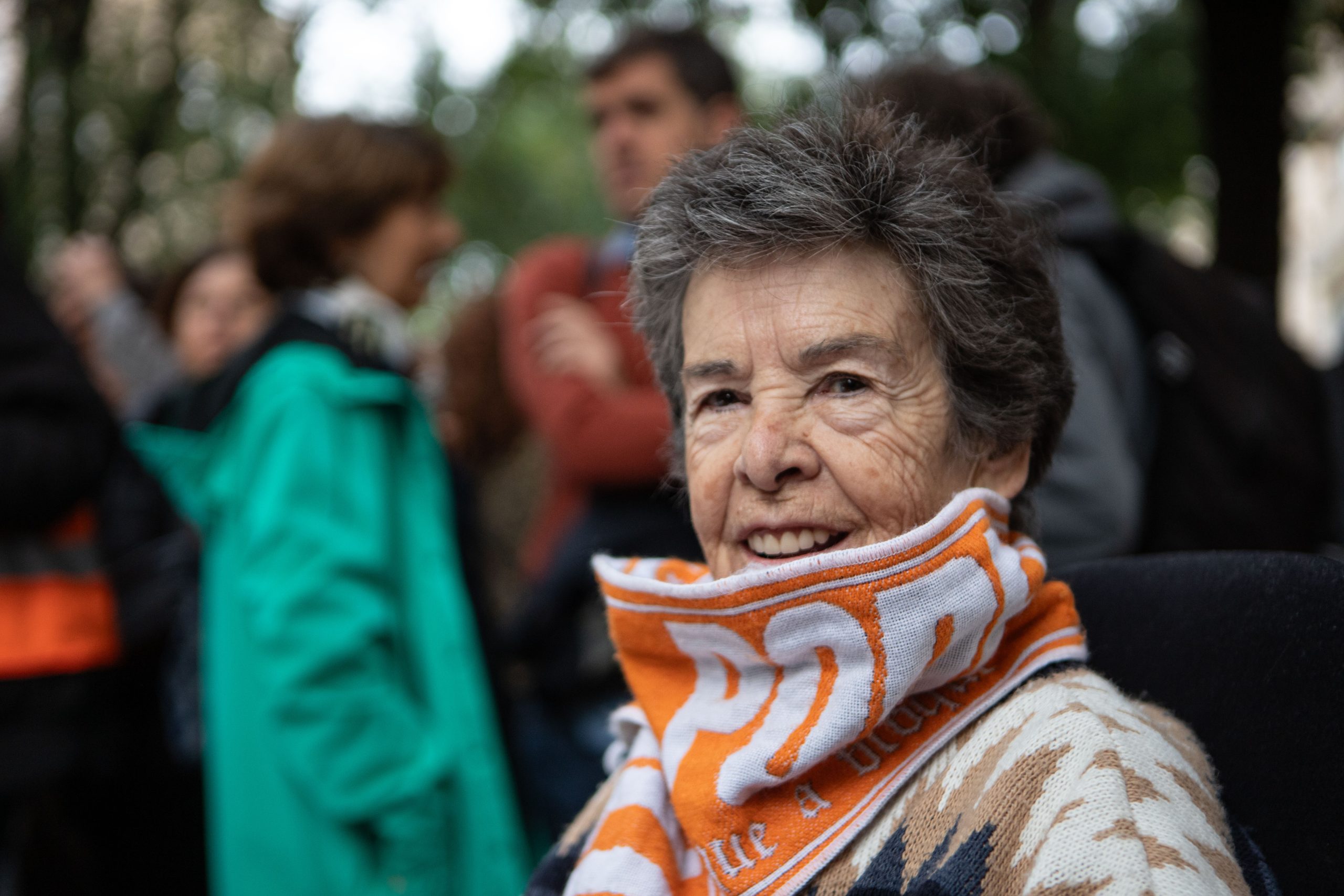
Maricarmen Abascal
 Spain
Also known as: María del Carmen Abascal, Maricarmen
Birthday
November 2, 1938
Birth Sign
Scorpio
Birthplace
Madrid, Spain
Age
Died at 87
About
María del Carmen Abascal, universally known as Maricarmen, was an 87-year-old Spanish activist whose life ended in the spotlight of a national housing crisis. Born on November 2, 1938, in Madrid, Spain, she spent her entire life in a single apartment in the city center, residing there for over 70 years since 1955. Unlike many public figures defined by artistic or commercial careers, Abascal's legacy is that of a lifelong tenant who became a symbol of resistance against Spain's escalating housing market. Her story transformed from a private struggle into a global news event in September 2026 when authorities attempted to evict her from the home she had occupied for decades.
The subsequent protests turned her into an icon for affordable housing rights across Europe. She passed away on October 7, 2026, at the Hospital General Universitario Gregorio Marañón in Madrid due to complications arising from severe anxiety and physical exhaustion suffered following her eviction. The reported cause of death was directly linked to the trauma of losing her home after 71 years of residency. Her death triggered a wave of public mourning and further political debate, with tributes pouring in from across the political spectrum labeling her a martyr for affordable housing.
Early Life & Background
Before her emergence as a national icon, Abascal lived a quiet life as a pensioner in Madrid. She married her husband in 1955, and the couple resided in their family apartment for decades, raising children within its walls. Specific details about her early education or childhood interests remain unrecorded in public archives, as she maintained a low profile until the events of late 2026. Her life was characterized by stability and routine until an insurmountable rent hike and a protracted legal battle disrupted her existence. The pivotal moment occurred in September 2026 when authorities served an eviction notice.
For years, she had paid rent or held a tenancy agreement that allowed her to stay, but new regulations and landlord disputes led to a court order forcing her out. On September 23, 2026, she was forcibly removed from the apartment while being carried out on a stretcher due to severe frailty. This event, broadcast globally, transformed her from a private citizen into the face of Spain's housing protests. She had lived in the same apartment for 71 years, a rarity in modern urban centers where turnover is frequent. The scene of her removal was captured by cameras and broadcast worldwide, becoming an iconic image of the housing crisis.
Career Growth
Abascal's impact was immediate and profound. Following her eviction, mass demonstrations erupted across Spain, uniting tenants' unions, political groups, and citizens in outrage. She became a central figure in the debate surrounding the Spanish government's housing policies, with her case cited repeatedly by opposition parties and activists alike. Her struggle highlighted the plight of elderly Spaniards facing displacement despite long-term residency.
Although she did not have a traditional career history of awards or commercial projects, her legacy is defined by this singular, transformative period. She was hospitalized shortly after the eviction due to severe anxiety and exhaustion, conditions directly linked to the trauma of losing her home. In the weeks leading up to her death, she appeared in interviews urging people to fight against similar fates, galvanizing a movement that demanded legislative reform. Notable quotes from her final days include her statement to the press: "Fight, so that this does not happen to you," which became a slogan for the housing movement. She also told reporters, "I have lived here for 70 years, I have raised my family here, and now they want to throw me out like trash." These quotes were widely circulated and cited in political speeches.
Career Timeline
Public Image & Style
Maricarmen's public image evolved rapidly from a vulnerable pensioner to a powerful symbol of civil resistance. Media outlets described her as the "heart" of Spain's housing protests, and her voice, often weak but determined, became a rallying cry for tenants' unions. She was consistently portrayed as the embodiment of the ordinary person pushed to the brink by systemic inequality.
Her appearance in the hospital, surrounded by protesters chanting her name, solidified her status as a martyr for the cause. Physical attributes such as height are not recorded, but her image was consistently portrayed as frail yet resilient, often shown in media images wearing simple clothing and looking visibly distressed after the eviction. The far-right in Spain blamed the ruling Socialists for her death, claiming her eviction was a policy failure, while the government defended its adherence to legal procedures. Tributes poured in from across the political spectrum, with many labeling her a martyr for affordable housing.
Fame & Fandom (iFAMOUS Rankings)
iFANN has not yet collected fame data for this person. She does not appear on the September 2026 iFAMOUS Rankings flagship list.
There was no established fandom name in the traditional sense, but a massive, organized movement of supporters emerged spontaneously. These supporters, including members of the Plataforma de Afectados por la Hipoteca (PAH) and various student and labor groups, referred to themselves as defenders of Maricarmen. Notable campaigns included street blockades outside her former apartment, flash mobs in major Spanish cities, and digital hashtags trending globally. Fans organized vigils at the hospital where she died and lobbied politicians to change eviction laws. The interaction between Maricarmen and her supporters was direct; she appeared in interviews urging people to fight to avoid a similar fate, a message that galvanized the movement. A funeral service was held in Madrid on October 8, 2026, attended by thousands of mourners who chanted slogans demanding housing rights.
Interesting Facts and Legends
Her case was frequently compared to historical tenant struggles in Europe, drawing parallels to 19th-century housing movements. Despite her age and frailty, she became a vocal advocate, telling reporters she would not leave without a fight. The "Maricarmen Effect" refers to the surge in housing activism and political fallout that followed her eviction. While she did not receive formal awards during her lifetime, she was posthumously honored by numerous grassroots organizations and political groups. The "Maricarmen Award" has been informally proposed by tenant unions to recognize future activists, though no official state award has been bestowed as of the latest reports.
Her eviction was one of the few instances where a senior citizen was removed via stretcher in a high-profile public protest context in Spain. The scene of her removal was captured by cameras and broadcast worldwide, becoming an iconic image of the housing crisis. Associated people included her husband (predeceased), her children (names unlisted), and various activists and lawyers who represented her, including representatives from the PAH. No specific collaborators in a professional sense existed, as her role was that of a civilian advocate.
Notable Quotes
“Fight, so that this does not happen to you.”
“I have lived here for 70 years, I have raised my family here, and now they want to throw me out like trash.”
Family & Personal Life
She had children, though their names and number are not extensively detailed in the international press coverage. They remained active in supporting her during her final hospitalization and were deeply involved in her care during her last days. Her family has not issued extensive public statements beyond confirming her passing and expressing gratitude for the support received from the community. There is no public record of other romantic relationships, engagements, or divorces. The exact date of her husband's passing is not specified in public records, but he predeceased her, leaving her widowed for the final years of her life.
Notable Connections
Relationships & Dating History
Maricarmen Abascal was married to her husband from 1955 until his death. The exact date of his passing is not specified in the provided search results, but he predeceased her. There is no public record of other romantic relationships, engagements, or divorces. As of her death, she was widowed. She had children, though their names and number are not extensively detailed in the international press coverage, they remained active in supporting her during her final hospitalization. Her family has not issued extensive public statements beyond confirming her passing and expressing gratitude for the support received.
- MarriedHusband (Name Unlisted)1955 - presentMarried until his death; he predeceased her.
Death & Aftermath
Died
October 7, 2026 (aged 87)
Death Place
Hospital General Universitario Gregorio Marañón, Madrid, Spain
Cause of Death
Complications from severe anxiety and physical exhaustion following forced eviction
Maricarmen Abascal died on Wednesday, October 7, 2026, at the Hospital General Universitario Gregorio Marañón in Madrid, Spain. Her passing followed a period of severe anxiety and physical exhaustion triggered by her forced eviction from the apartment she had occupied since 1955, an event that saw police remove her on a stretcher on September 24, 2026. While some political factions alleged government negligence contributed to her decline, these remained unconfirmed accusations rather than established legal facts regarding the official cause. The reaction to her death was immediate and massive, transforming her into a national symbol of Spain's housing crisis.
Thousands gathered for vigils in Madrid and other cities, while streaming numbers for news coverage surged globally with outlets like CNN and BBC dedicating extensive segments to her legacy. Murals depicting her face appeared in neighborhoods, turning her into a landmark of resistance against gentrification. The funeral arrangements were largely private, though public vigils attended by thousands chanted slogans supporting affordable housing. Leaders from the Madrid Tenants' Union and various left-wing political figures attended memorial services, while the far-right opposition criticized the government's role without participating in the ceremonies.
In the aftermath, her family managed her estate with a stated desire to focus on the broader housing rights movement rather than personal gain. The conversation around her death sparked calls for a foundation or scholarship in her name to support elderly tenants facing eviction, though no specific institutions have been formally established yet. Her story has been immortalized in documentaries and academic studies, ensuring her place as a pivotal figure in Spain's contemporary housing struggle.
Net Worth (Estate Value)
$0
iFANN Editorial Team estimate
No specific net worth figures are available for Maricarmen Abascal. Given her status as a pensioner living in a state-subsidized or inherited rental property for 70 years, her wealth was likely minimal, consisting primarily of her pension and any modest savings. There are no reports of real estate holdings, business ventures, or endorsement deals. Her financial situation reflected the lives of many elderly Spaniards who relied on fixed incomes and long-term tenancy rather than asset accumulation. No posthumous estate value or financial breakdown is available, as her wealth was tied to her tenancy rather than liquid assets or business ventures.
Awards & Accolades
View 1 records, honours and achievementsKnown For
Spain Housing Protests
2026 · Symbol of Resistance
Keywords
Sources
Quick Facts
- Profession
- activist
- Born
- November 2, 1938
- Birthplace
- Madrid, Spain
- Died
- October 7, 2026
- Death Place
- Hospital General Universitario Gregorio Marañón
- Gender
- Female
- Birth Sign
- Scorpio
Personal Details
- Full Name
- María del Carmen Abascal
Frequently Asked Questions
Who was Maricarmen Abascal?
When did Maricarmen Abascal die?
Where did Maricarmen Abascal live?
What caused Maricarmen Abascal's death?
Why was Maricarmen Abascal famous?
Social Media
Join the community
fans discussing