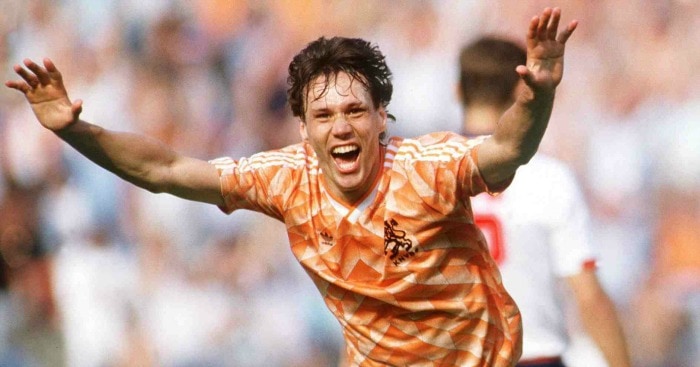
Marco van Basten
 Netherlands
Association football player•association football coach
Also known as: Marcel van Basten, L'Airone, San Marco
Birthday
October 31, 1964
Birth Sign
Scorpio
Birthplace
Utrecht, Netherlands
Age
61 years old
Height
1.88 m (6 ft 2 in)
About
Marco van Basten is a Dutch former professional footballer and manager, widely considered one of the greatest strikers in the sport's history. He is famous for his technical skill, aerial ability, and spectacular volleys. Van Basten won three Ballon d'Or awards and was named FIFA World Player of the Year in 1992. He secured four Serie A titles and two European Cups with AC Milan, three Eredivisie titles with Ajax, and led the Netherlands to victory at UEFA Euro 1988. Van Basten's career was cut short by injury, but his legacy as one of the world's greatest living players endures.
Early Life & Background
Marcel van Basten, who would later become widely known as Marco, was born on October 31, 1964, in Utrecht, Netherlands. He spent his early years growing up in the city's Oog In Al neighborhood. His father, Joop van Basten, was a semi-professional footballer, and his mother was Leny van Basten, an upbringing that naturally exposed young Marcel to the sport from a very early age. While his formal education included attending school in Utrecht, comprehensive details regarding any higher education pursuits are not widely documented .
It was within this environment that van Basten's passion for football began to flourish. At the tender age of six, he took his first organized steps on the pitch, joining his local club EDO. His talent quickly became apparent, leading him a year later, at seven, to UVV Utrecht, which was considered the biggest club in the city at the time. He dedicated nine formative years to UVV Utrecht's youth system, honing his skills and developing his game. Following his time there, he also had a brief period playing for Elinkwijk, another prominent local club, before his exceptional abilities drew the attention of scouts from one of the Netherlands' most prestigious teams. Van Basten himself later recalled that his early motivation wasn't primarily focused on achieving professional status, but rather on the simple, pure enjoyment of playing the game.
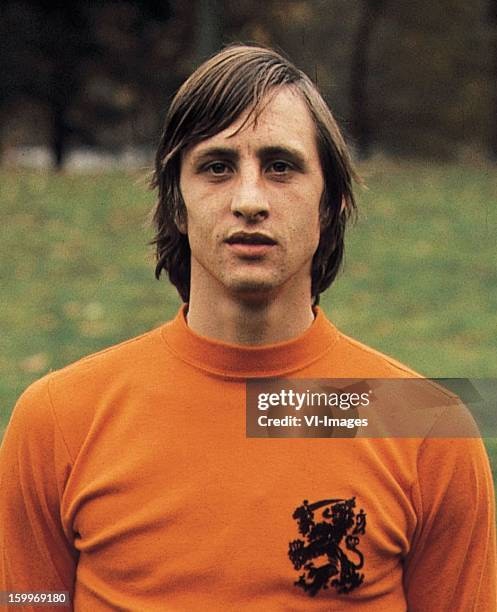
His burgeoning talent did not go unnoticed, and in 1981, at the age of 16, van Basten was signed by AFC Ajax for the upcoming 1981-82 season, marking a pivotal moment in his burgeoning career. The culmination of his youth development arrived on April 3, 1982, when he made his professional debut in a memorable Eredivisie match. Coming on as a substitute for none other than the legendary Johan Cruyff, van Basten seized the opportunity with immediate impact, scoring a goal in Ajax's emphatic 5-0 victory over NEC Nijmegen. This stunning introduction to professional football not only heralded the arrival of a significant new talent but also set the stage for a remarkable career to come.
Career Growth
Van Basten's breakthrough came at Ajax, where he became the Eredivisie's top scorer four times and scored 127 goals in 133 league appearances. He won three league titles, three KNVB Cups, and the European Cup Winners' Cup in 1987. That summer, he moved to AC Milan. At Milan, he won four Serie A titles and back-to-back European Cups in 1989 and 1990, part of the team's 58-match unbeaten run. He was Serie A top scorer twice. For the Netherlands, he scored 24 goals in 58 caps, but his crowning moment was Euro 1988: he won the Golden Boot with five goals, including a stunning volley in the final against the Soviet Union, often called one of the greatest goals ever. An ankle injury forced him to play his last match in 1993 at age 28; he officially retired in 1995. After retiring, he managed the Netherlands national team from 2004 to 2008, leading them to the Round of 16 at the 2006 World Cup. He later coached Ajax, Heerenveen, and AZ Alkmaar. From 2016 to 2018, he served as FIFA's Chief Officer for Technical Development. He also won two European Super Cups and two Intercontinental Cups with Milan.
Career Timeline
Public Image & Style
Van Basten is remembered as one of the most complete strikers in football history, admired for his technical brilliance, aerial prowess, and stunning volleys. Media often portray him as a tragic figure whose career was cut short at its peak, yet his legacy endures through iconic moments like the Euro 1988 final volley. He has no official fandom name, but his social media presence is professional and measured, engaging with fans through occasional posts. His image is that of a graceful, intelligent player whose impact on the game remains profound despite a shortened career. He was known for his intelligence, close ball control, and flair.
Fame & Fandom (iFAMOUS Rankings)
Marco van Basten commands a global presence that transcends the typical footprint of retired athletes, maintaining a steady resonance across football history and modern discourse. According to the iFANN Global Fame Rankings, he is currently the 7th most famous person from Netherlands, a position holding steady through the latest assessment cycle. This placement reflects his enduring status as an icon whose name remains synonymous with technical perfection and tragic brilliance. While his fame is anchored in historical achievement rather than contemporary viral cycles, his influence persists through ongoing commentary on the sport and comparisons with current generations. The scope of this recognition encompasses nations where Dutch football culture holds deep roots, ensuring his profile remains distinct among national figures. Despite the passage of decades since his retirement, the data indicates no decline in his relevance within the hierarchy of sporting legends. His fanbase does not operate under a formalized name or organized structure; supporters are generally identified by their allegiance to AC Milan, Ajax, or the Netherlands national team rather than a dedicated movement specific to Van Basten himself. There are no documented rituals, fan-funded projects, or viral campaigns unique to his following, as his legacy is sustained through institutional reverence and historical record rather than active fandom mechanics. The audience for his story consists largely of those who study the evolution of the striker's role or recall the definitive moments of late 20th-century football.
Interesting Facts and Legends
Marco van Basten's career is defined by exceptional achievements and a premature conclusion. He was awarded three Ballon d'Or titles and named FIFA World Player of the Year in 1992. During his time at Ajax, he made his debut as a substitute for Johan Cruyff and scored immediately in that match. Early in his Ajax tenure, he competed for the center-forward position with Wim Kieft. His playing career ended at age 28 due to persistent ankle injuries, though he officially retired at 30. He accumulated over 300 goals at the highest levels of competition. In various global polls, he ranked 6th in the 1998 FIFA Player of the Century internet poll, 9th in World Soccer's Greatest Players of the 20th Century (1999), and 4th in the UEFA Golden Jubilee Poll (2004). He is frequently compared to Robin van Persie as one of the greatest Dutch players. A central pillar of his legend is the goal scored in the final of Euro 1988 against the Soviet Union, widely regarded as one of the greatest international goals ever. Another defining narrative involves his forced retirement at 30 after severe Achilles tendon injuries, creating a lasting mythos about a genius cut short. Recent discussions in 2025 and 2026 have seen him offer polarizing commentary on modern players like Mohamed Salah and the state of Serie A, adding new layers to his public persona.
Notable Quotes
“I wasn't really focused on it. I wasn't dreaming of it. I was just enjoying it.”
“Little by little I was becoming more specialised in football. Then, I was thinking of becoming a professional player.”
Family & Personal Life
Van Basten was born to Joop van Basten, a semi-professional footballer, and Leny van Basten. He grew up in Utrecht with his parents. His father kept every newspaper clipping and youth award from his childhood. He married Lesbeth van Capelleveen in 1993, and they have children together, though specific names and numbers are not publicly disclosed. The family has remained largely private, and van Basten has not shared many details about his household or pets.
Notable Connections
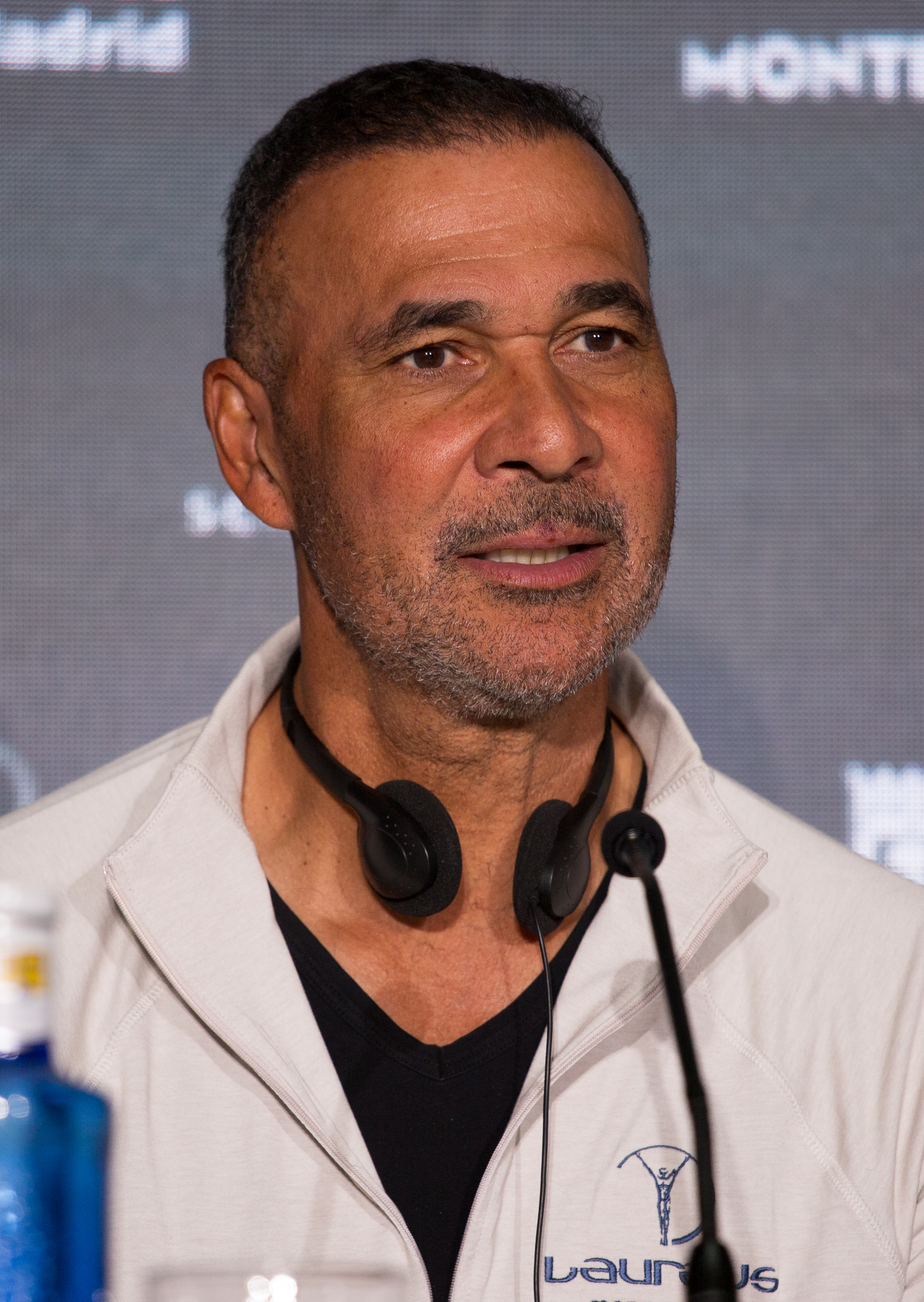
Van Basten played alongside Frank Rijkaard and Ruud Gullit at Ajax, AC Milan, and the Netherlands, forming a legendary trio. He replaced Johan Cruyff in his Ajax debut. He is often compared with Robin van Persie as one of the greatest Dutch players.
Relationships & Dating History
Van Basten married Lesbeth van Capelleveen in 1993. The couple has children together, though details are kept private. As of 2026, they remain married with no public reports of separation or divorce. No other public relationships have been documented.
- MarriedLesbeth van Capelleveen1993 - presentCurrentMarried in 1993; they have children together.
Salary, Net Worth In 2026
$15 Million
iFANN Editorial Team estimate
Per iFANN's editorial analysis, Marco van Basten's net worth stands at $15 Million as of 2026. This figure aggregates earnings from his illustrious playing career with Ajax and AC Milan, despite these years predating the era of mega-contracts. Additional wealth was generated through coaching roles with the Netherlands national team, Ajax, Heerenveen, and AZ Alkmaar, alongside his tenure as FIFA's Chief Officer for Technical Development from 2016 to 2018. Modest contributions also stem from endorsements and appearance fees. The total reflects the financial standing of a top player from his generation, remaining modest when contrasted with the valuations of modern stars.
Awards Won (13)
Van Basten won three Ballon d'Or awards (1988, 1989, 1992) and the FIFA World Player of the Year in 1992. He was the top scorer in the Eredivisie four times and in Serie A twice. At Euro 1988, he claimed the Golden Boot and was named Player of the Tournament. He also won multiple league titles and European Cups with Ajax and Milan.
1992 · European Footballer of the Year
AC Milan and Netherlands
1989 · European Footballer of the Year
AC Milan and Netherlands
1988 · European Footballer of the Year
AC Milan and Netherlands
1992 · Player of the Year
AC Milan and Netherlands
Known For
UEFA Euro 1988
1988 · Striker for Netherlands
AC Milan
1987-1995 · Striker
Ajax
1981-1987 · Striker
Keywords
Sources
Quick Facts
- Profession
- Association football player, association football coach
- Born
- +1964-10-31
- Birthplace
- Utrecht
- Gender
- Male
- Birth Sign
- Scorpio
Personal Details
- Full Name
- Marcel van Basten
- Height
- 1.88 m (6 ft 2 in)
- Spouse
- Lesbeth van Capelleveen
- Children
- Yes (names not publicly disclosed)
Frequently Asked Questions
What is Marco van Basten doing now?
How old is Marco van Basten?
Is Marco van Basten married?
How many Ballon d'Ors did Marco van Basten win?
Why did Marco van Basten retire early?
Social Media
Join the community
fans discussing