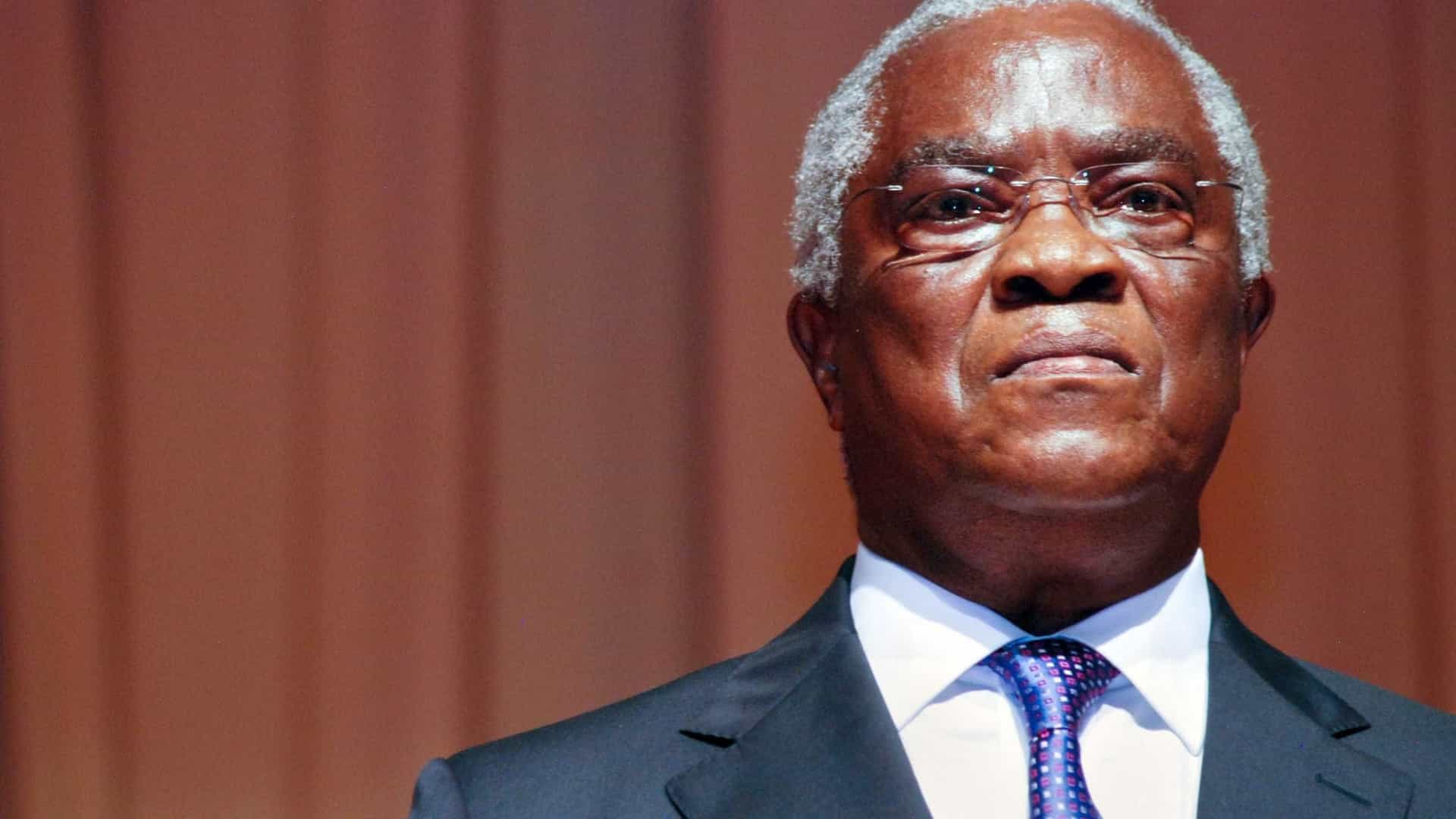
Manuel Pinto da Costa
 Portugal
Birthday
August 5, 1937
Birth Sign
Leo
Birthplace
Água Grande, São Tomé and Príncipe
Age
89 years old
About
Manuel Pinto da Costa is a Santomean economist and politician who served as the first president of São Tomé and Príncipe from 1975 to 1991, and again from 2011 to 2016. He is a founding father of the nation, having led the independence movement against Portuguese colonial rule. As of 2026, he remains a respected elder statesman, known for his long and influential career in the country's political life. His legacy is tied to the establishment of the republic and his later return to power, which demonstrated his enduring political relevance.
Pinto da Costa's leadership spanned two distinct eras of the country's history. His first term was marked by the challenges of building a new nation, while his second term focused on economic and diplomatic engagement. He has also been noted as the wealthiest person in São Tomé and Príncipe, a detail that adds a layer of complexity to his public persona. Today, he is primarily remembered for his foundational role in the country's development and his continued presence in public discourse.
Early Life & Background
Born on August 5, 1937, in Água Grande, a district of São Tomé and Príncipe, Manuel Pinto da Costa grew up during the final decades of Portuguese colonial rule. He pursued studies in economics, a field that would later inform his approach to governance. Little is documented about his early family life or schooling, but his path led him into the anti-colonial movement that gained momentum across Africa in the 1950s and 1960s.
Pinto da Costa became a leading figure in the Committee for the Liberation of São Tomé and Príncipe (CLSTP), which was the precursor to the country's main independence party. The CLSTP merged with other groups to form the Movement for the Liberation of São Tomé and Príncipe (MLSTP), and Pinto da Costa emerged as its principal leader. His work in the independence struggle was instrumental in preparing the country for self-rule, and he was poised to take the helm when independence came.
The transition to independence was relatively peaceful compared to other African colonies, and Pinto da Costa's leadership was widely accepted. He was not a military figure but an intellectual and organizer, which shaped his political style. By the time the Portuguese flag was lowered on July 12, 1975, he had already established himself as the nation's foremost political figure.
Career Growth
On July 12, 1975, Manuel Pinto da Costa became the first president of the newly independent São Tomé and Príncipe. His first tenure lasted until 1991, during which he presided over a one-party state under the MLSTP. The country faced economic hardships, but Pinto da Costa maintained stability and navigated the complexities of Cold War-era geopolitics, aligning with socialist bloc nations while seeking aid from various sources.
After stepping down in 1991, he remained active in politics, and in 2011 he made a remarkable comeback. Running for president at the age of 75, he won the second round with 52.88 percent of the vote, defeating Evaristo Carvalho. International media described him as a "former strongman" returning to power. His second term focused on economic development and international relations, including a state visit to Cuba in June 2013, where he met with President Raul Castro to strengthen bilateral ties.
In 2016, Pinto da Costa sought re-election but boycotted the run-off, citing voting irregularities in the first round. His withdrawal handed the presidency to his opponent, Evaristo Carvalho. Since leaving office, he has remained a public figure, giving interviews and running the Fundação Manuel Pinto da Costa. In July 2022, he praised China's achievements in an interview with CGTN, reflecting his ongoing engagement with global affairs.
Career Timeline
Public Image & Style
Manuel Pinto da Costa's public image is that of a founding father and a resilient political figure. He is often referred to as a "strongman" in international media, a label that reflects his long grip on power. Yet, within São Tomé and Príncipe, he is respected for his role in achieving independence and leading the nation through its early years. His return to power in 2011 at an advanced age added to his mystique, showing his enduring influence. He is not known for a flamboyant public persona; rather, his image is that of a serious, pragmatic leader. The Fundação Manuel Pinto da Costa serves as an institutional reminder of his continued relevance.
Fame & Fandom (iFAMOUS Rankings)
Manuel Pinto da Costa is currently evaluated by the iFANN Global Fame Engine but holds no placement in the published rankings, a status that distinguishes his profile from figures occupying the Global Top 1,000 or specific scope lists. While his historical significance as the first President of São Tomé and Príncipe is undeniable, he does not command the broad, cross-border celebrity metrics required for a ranked position on the global stage. The absence of a formal ranking reflects a reality where his fame remains deeply localized to the nation he helped found rather than expanding into the universal sphere of international pop culture. Unlike entertainers who generate viral engagement across continents, Pinto da Costa's influence is rooted in political history and statecraft, limiting his visibility to those following African politics or post-colonial studies. Consequently, there is no documented fandom bearing his name, nor are there organized groups of supporters who identify themselves with a specific moniker. His interactions with the public are strictly diplomatic and political, characterized by official government functions rather than the fan campaigns, birthday billboards, or charity drives typical of modern celebrity culture. Any notion of a dedicated fanbase is likely a conflation with other figures sharing similar names in the Portuguese-speaking world, particularly within sports circles. The lack of a named fandom underscores his identity as a statesman whose legacy is measured in national policy and historical endurance rather than in the fleeting trends of internet fame or the fervor of a devoted following.
Interesting Facts and Legends
Manuel Pinto da Costa was born on August 5, 1937, marking him as a Leo. He is widely reported to be the wealthiest individual in São Tomé and Príncipe, a distinction highlighted in a 2020 ranking by Africa Trendy. His foundation, Fundação Manuel Pinto da Costa, operates to preserve his legacy and manage aspects of his estate. Media outlets have occasionally described him as a former Marxist ruler, a label reflecting his early ideological alignment during the nation's formative years. Despite his high profile domestically, he maintains a relatively low international footprint, with his Wikipedia page available in 25 languages yet attracting modest viewership globally. A central pillar of his political mythology is his unique resurgence; after leaving office in 1991, he returned to power decades later, winning the 2016 election in what observers termed a one-man race. This comeback solidified his reputation as a resilient figure capable of dominating the political landscape long after his initial tenure. Another enduring narrative involves his diplomatic ties to Cuba, specifically noted visits in 2013 with leaders like Raúl Castro, which reinforced the ideological connections between the two nations. In 2022, he publicly praised China's achievements, further illustrating his continued relevance in aligning São Tomé and Príncipe with major global powers. These events, combined with his status as the founding father of the republic, create a complex portrait of a leader whose influence transcends simple political timelines.
Family & Personal Life
Details about Manuel Pinto da Costa's family are scarce in public records. He was born in Água Grande, but specifics about his parents and siblings are not documented. It is known that he pursued a career in economics, which suggests a level of education that was uncommon for the time. His personal life, including any spouse or children, has not been publicly detailed. As a result, his family remains largely out of the public eye, and his legacy is defined more by his political role than by his private life.
Notable Connections
Pinto da Costa's political career brought him into contact with several notable figures. He held talks with Cuban President Raul Castro during his 2013 visit, strengthening diplomatic ties between the two nations. His main political rival was Evaristo Carvalho, who defeated him in the 2016 election after Pinto da Costa's boycott. He also engaged with international media, including an interview with CGTN in 2022.
Relationships & Dating History
Public records do not reveal any details about Manuel Pinto da Costa's romantic relationships or marriages. As a political leader from a small island nation, his personal life has remained largely private. There is no documented dating history or information about a spouse or partner. As of 2026, his relationship status is unknown. This lack of information is consistent with the limited media coverage of his personal affairs, which have been overshadowed by his political career.
Salary, Net Worth In 2026
$10 Million
iFANN Editorial Team estimate
Per iFANN's editorial analysis, Manuel Pinto da Costa holds an estimated net worth of $10 million as of 2026. This valuation places him as the wealthiest person in São Tomé and Príncipe, a notable standing given the modest scale of the island nation's economy. While the exact composition of his assets remains private, the estimate reflects decades of political influence intertwined with various business interests. The Fundação Manuel Pinto da Costa may also serve as a vehicle for managing these assets alongside his broader legacy. This financial standing adds a layer of intrigue to his public persona, contrasting his earlier socialist leanings with his current status as a prominent economic figure in the region.
Awards & Accolades
View 1 records, honours and achievementsKnown For
First President of São Tomé and Príncipe
1975 · President
Second Term as President
2011 · President
Keywords
Sources
Quick Facts
- Profession
- Economist, Politician
- Born
- August 5, 1937
- Birthplace
- Água Grande, São Tomé and Príncipe
- Gender
- Male
- Birth Sign
- Leo
- Nationality
- Santomean
Personal Details
- Education
- Economics
Frequently Asked Questions
Who is Manuel Pinto da Costa?
How old is Manuel Pinto da Costa?
What did Manuel Pinto da Costa do for São Tomé and Príncipe?
Why did Manuel Pinto da Costa boycott the 2016 election run-off?
Is Manuel Pinto da Costa still alive?
Join the community
fans discussing