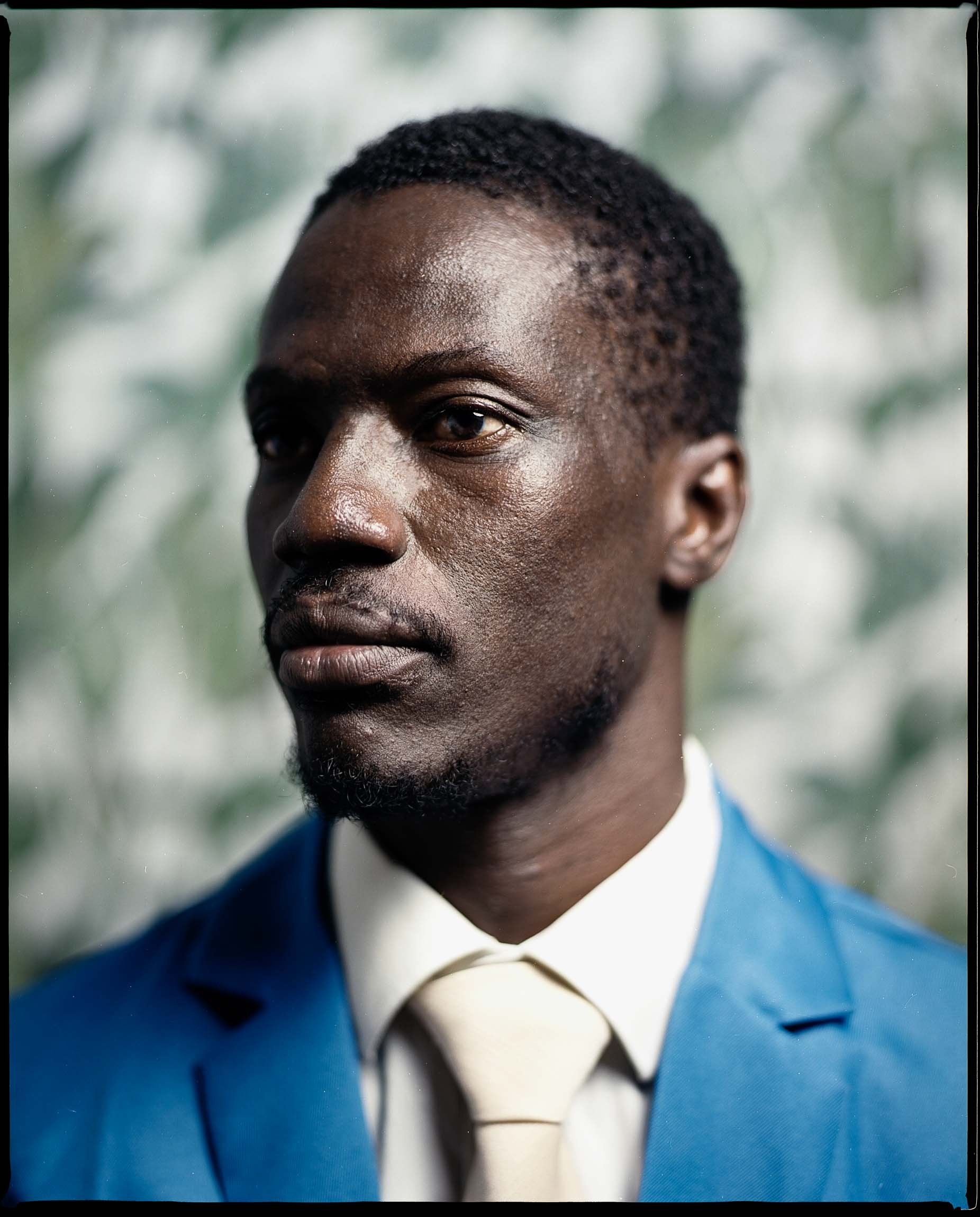
Mansour al-Nogaidan
 United Arab Emirates
Also known as: Mansour al-Nogaidan, Manṣūr Naqīdān, Manṣūr al-Naqīdān, Mansour Alnogaidan
Birthday
1971-11-28
Birth Sign
Sagittarius
Birthplace
Burayda, Saudi Arabia
Age
54 years old
About
Mansour al-Nogaidan is a Saudi-Emirati writer, journalist, and reformist intellectual. Born in Burayda, Saudi Arabia, in 1970, he is best known for his personal essay "Losing My Jihadism" (2003) and his ongoing work as executive director of the Al-Mesbar Center for Studies and Research in Dubai. His writing blends autobiography with sharp religious and political critique, and he is widely cited in counter-extremism debates.
Al-Nogaidan's transformation from a former jihadist to a voice for religious enlightenment gives his commentary a rare credibility. He has written for major Arab newspapers and has participated in high-level policy discussions with Gulf leadership. He currently resides in the UAE, where he continues to write and research themes of social change, religious reform, and the future of Islamic thought.
Early Life & Background
Growing up in Burayda, a conservative heartland of Saudi Arabia's Qassim region, al-Nogaidan was steeped in the area's strict Wahhabi traditions. As a teenager in the 1980s, he gravitated toward the extremist ideology associated with al-Qaeda's school of thought, which he later described as considering "everyone who isn't a Salafi Muslim the enemy." His radical activities led to imprisonment in Saudi Arabia, a period that proved pivotal.
During his incarceration, al-Nogaidan began questioning the ideology he had embraced. The experience of prison, combined with his own study of Islamic history, set him on a path toward reformism. After his release, he renounced extremism entirely, a transformation he documented in his landmark 2003 essay "Losing My Jihadism" in The Washington Post. This essay, based on his personal journey, became a reference point in de-radicalization literature and has been cited at least six times in academic studies.
Career Growth
Al-Nogaidan's journalism career began at the London-based pan-Arab daily Al-Hayat, where he honed his craft. He then played a founding role in establishing Al-Watan, one of Saudi Arabia's major newspapers. His columns have also appeared in Al-Riyadh, Al-Waqt, and the UAE's Al-Ittihad, cementing his reputation as a leading reformist voice.
In the UAE, he took on institutional roles, becoming executive director of the Al-Mesbar Center for Studies and Research in Dubai, a think tank focused on religious and political reform. His expertise has been sought by The Washington Institute for Near East Policy, which lists him as an expert. In 2012, he participated in a private Ramadan gathering with Abu Dhabi Crown Prince Sheikh Mohamed bin Zayed, reflecting his access to the highest levels of Gulf leadership. His official website, alnogaidan.com, serves as an archive of his essays and research.
Career Timeline
Public Image & Style
Al-Nogaidan is perceived as a serious, reformist intellectual, someone whose credibility stems directly from his personal history. Media portrayals often highlight his journey from extremism to moderation, making him a sought-after commentator on counter-terrorism and religious reform. His writing is analytical and personal, blending autobiography with religious and political critique. He does not have a traditional fandom, but his audience includes readers of Arab newspapers, policy researchers, and those interested in Islamic reform. On social media, he maintains a professional and intellectual tone, sharing his columns and engaging with debates on enlightenment (al-tanwir) and religious affairs.
Fame & Fandom
Mansour al-Nogaidan commands a following defined by intellectual alignment rather than the chaotic adoration reserved for pop stars. His audience consists of readers who track his columns in major Arab newspapers and policy researchers analyzing counter-extremism strategies, not a fanbase organizing birthday billboards or subway ads. There is no formal moniker like 'Nogaidanites' attached to this group; their loyalty is ideological, rooted in his rare journey from radical militancy to reformist advocacy. He engages this community through written essays and academic discourse, avoiding the ritualistic fanfare typical of entertainment figures. While he maintains a YouTube channel with nearly a thousand subscribers, these viewers seek educational content on religious moderation rather than celebrity gossip. The landscape of his public image lacks the viral moments or organized chart pushes seen in music or film, replacing them with verified historical narratives about his de-radicalization. iFANN has not yet gathered sufficient global fame metrics to assign a numerical standing for Mansour al-Nogaidan. Current data indicates that the system has not evaluated his worldwide ranking status as of August 2026. Consequently, no specific placement exists within the current global or niche leaderboards.
Interesting Facts and Legends
Mansour al-Nogaidan stands out as one of the few former jihadists who has publicly and extensively documented his de-radicalization, making him a rare voice in counter-extremism discourse. His time in prison was the catalyst for his transformation; he emerged as a sharp critic of the ideology he once embraced. He is one of a relatively small number of Saudi-born intellectuals who have acquired Emirati nationality, reflecting his deep ties to the UAE. His essay 'Losing My Jihadism' has been cited at least six times in academic literature, becoming a touchstone in terrorism studies. He also maintains a YouTube channel with nearly a thousand subscribers, where he shares his talks and interviews. A defining chapter of his life involves his radical break from the conservative Wahhabi doctrine of his upbringing in Buraidah. Born in 1970, he spent years within the radical movement before his imprisonment sparked a profound crisis of faith. This personal history transformed him into a leading advocate for religious moderation, a shift verified by his own writings and numerous media reports detailing his departure from violent extremism. The story of his jailhouse disillusionment with jihadism remains the central narrative told about him, grounding his credibility as a reformist intellectual. A pivotal moment cemented his status as a martyr for free speech when Getty Images captured a photo of him sitting in a studio in Riyadh just days after his release from prison. His role as a co-founder of the private newspaper Al-Watan established him as a leader of the Saudi Spring generation.
Notable Quotes
“I criticized al-Qaeda's school of thought, which considers everyone who isn't a Salafi Muslim the enemy. I pointed to examples from Islamic history that contradict this view.”
Family & Personal Life
Al-Nogaidan was born in Burayda, Saudi Arabia, in 1970. He is divorced and has two children from his marriage. Public details about his ex-wife and children are scarce, as he keeps his personal life private. He now lives in the United Arab Emirates, where he has built his career. His family background in the conservative Qassim region shaped his early years, but he has not spoken publicly about his immediate family in recent years.
Notable Connections
Al-Nogaidan is professionally affiliated with the Al-Mesbar Center for Studies and Research in Dubai, where he serves as executive director. He is also listed as an expert by The Washington Institute for Near East Policy. He has participated in private discussions with Abu Dhabi Crown Prince Sheikh Mohamed bin Zayed, indicating his standing in regional intellectual circles.
Relationships & Dating History
Al-Nogaidan is divorced and has two children from his marriage. Details about his ex-wife and the timeline of his divorce are not publicly documented. There are no credible reports of any dating relationships, engagements, or remarriages in accessible sources. As of 2026, he appears to be single, focusing on his career and intellectual pursuits. His personal life remains notably private compared to his public intellectual profile.
- MarriedUnknownAl-Nogaidan was married and has two children, but the marriage ended in divorce. No details are publicly available.
Salary, Net Worth In 2026
There are no credible public estimates of Mansour al-Nogaidan's net worth. As an intellectual and think-tank executive, his income derives from his salary at Al-Mesbar Center, journalistic fees, and possibly book royalties and speaking engagements. Given the absence of financial data, any figure would be speculative. His professional roles suggest a comfortable middle-class income, but not the kind of wealth tracked by celebrity net worth sites.
Awards & Accolades
View 1 records, honours and achievementsKnown For
Losing My Jihadism
2003 · Author
Al-Mesbar Center for Studies and Research
· Executive Director
Keywords
Sources
Quick Facts
- Profession
- journalist, writer
- Born
- 1971-11-28
- Birthplace
- Burayda, Saudi Arabia
- Gender
- Male
- Birth Sign
- Sagittarius
- Nationality
- Saudi-Emirati
- Relationship Status
- Divorced
Personal Details
- Full Name
- Mansour al-Nogaidan
- Children
- Two children
Frequently Asked Questions
Is Mansour al-Nogaidan a former jihadist?
What is Mansour al-Nogaidan's current role?
Where does Mansour al-Nogaidan live now?
What newspapers has Mansour al-Nogaidan written for?
Is Mansour al-Nogaidan married?
Join the community
fans discussing