
Makoto Hasebe
 Japan
Japanassociation football player•association football coach
Birthday
January 18, 1984
Birth Sign
Capricorn
Birthplace
Fujieda, Shizuoka, Japan
Age
42 years old
Height
5 ft 11 in (180 cm)
About
Makoto Hasebe is a Japanese former professional footballer and current assistant coach for the Japan national team. Over a 22-year playing career, he became one of Asia's most respected figures in European football, spending 16 seasons in Germany's Bundesliga. As a defensive midfielder or centre-back, he won the Bundesliga title with VfL Wolfsburg in 2009 and the UEFA Europa League with Eintracht Frankfurt in 2022. He captained Japan at three consecutive World Cups and led the Samurai Blue to the 2011 Asian Cup title.
Hasebe's longevity and professionalism set him apart. He played over 300 matches for Frankfurt across a decade, earning a reputation as a model professional. After retiring in 2024 at age 40, he moved into coaching and now works alongside the national team. As of 2026, he is considered a potential future head coach for Japan, a testament to his enduring influence on the game.
Early Life & Background
Makoto Hasebe was born on January 18, 1984, in Fujieda, a city in Shizuoka Prefecture known for its tea plantations and paper industry. His late grandfather played a pivotal role in nurturing his early love for football, supporting his ambitions from a young age. Hasebe attended Fujieda Higashi High School, where he developed his skills and caught the attention of scouts.
In 2002, straight out of high school, he joined Urawa Red Diamonds in the J-League. His early years were marked by steady but unspectacular progress; the Guardian later described him as a "slow starter whose diligence paid off." He gradually established himself in the Urawa midfield, helping the club win the J-League title in 2006. His performances in Japan earned him his first international call-up, but it was his move to Europe that would define his career.
Career Growth
Hasebe's European breakthrough came in January 2008 when he joined VfL Wolfsburg. In his first full season, he played a key role as the club won its first Bundesliga title in 2009, forming a formidable partnership with Edin Dzeko and others. He then captained Japan at the 2010 World Cup and led the team to the 2011 Asian Cup title.
After a brief spell at 1. FC Nürnberg in 2013, Hasebe moved to Eintracht Frankfurt in 2014. There, he became a cornerstone of the team, playing over 300 matches across ten seasons. In 2020, he surpassed Cha Bum-kun's record for the most Bundesliga appearances by an Asian player. His crowning club achievement came in 2022 when Frankfurt won the UEFA Europa League. He announced his retirement in April 2024, finishing his career "at the top, on his own terms."
Post-retirement, Hasebe transitioned into coaching, becoming an assistant coach for Japan in 2024. By July 2026, he is mentioned as one of six candidates to potentially succeed Hajime Moriyasu as head coach, a role that could see him become the first Asian manager of a top European club.
Career Timeline
Public Image & Style
Hasebe is widely regarded as the consummate professional, known for his discipline, humility, and leadership. Eintracht Frankfurt's sporting director praised his "professional attitude and lifestyle" as the reason he could still perform at the highest level at 40. The Guardian highlighted his "diligence" as a defining trait. He is seen as a trailblazer for Asian players in European football, and the Bundesliga has used his story to illustrate the strong ties between Japan and the German league. His calm, intelligent style of play earned him respect from teammates and opponents alike, and he remains a beloved figure in Frankfurt, where he was given a heartfelt farewell.
Fame & Fandom
Makoto Hasebe stands as a singular figure in global sports, bridging the gap between Japanese football culture and European professionalism without ever seeking the spotlight. Despite his decades of dominance on the pitch, iFANN's Global Fame Engine evaluated him in August 2026 and found no placement within the published rankings, marking him as EVALUATED_UNRANKED in the current Global Top 1,000 or any Top-100 scope list. This absence from the numerical hierarchy does not diminish his stature; rather, it reflects a career built on quiet consistency rather than viral spikes or celebrity oscillation. His influence remains deeply rooted in specific communities where he is revered as a trailblazer for Asian athletes in Germany, yet he lacks the broad, nameless mass appeal that typically drives top-tier global fame metrics. The fanbase surrounding Hasebe has no formal collective name, distinguishing him from pop idols who command organized armies with branded hashtags. Support flows naturally through Eintracht Frankfurt supporters and national team followers who revere his leadership rather than his persona. There are no documented fan-funded projects, subway ads, or streaming campaigns dedicated solely to him, as his legacy is anchored in verified historical achievements like captaining a top European club and leading Japan to the Asian Cup title. While crowds do not shut down streets for his arrival, the narrative of his "never give in" mentality resonates as a cultural touchstone for resilience. He represents a different kind of legend, one defined by longevity and the dignified exit at age 40 that marked the end of an era for the Bundesliga's longest-serving Asian player.
Interesting Facts and Legends
Makoto Hasebe maintained a meticulous preparation routine and strict lifestyle throughout his career, factors he credits directly for his remarkable longevity. A devout Christian, he frequently spoke about his faith publicly, integrating it into his professional mindset. He holds the record for the most Bundesliga appearances by an Asian player, tallying 384 matches over his tenure. Although playing as a defensive midfielder, he scored only 12 goals in his entire career, underscoring his specialized role on the field. Beyond the pitch, he serves as a UNICEF ambassador for Japan, using his platform to advocate for children's rights for over 16 years. Fans affectionately dubbed him "The Professor" for his intelligent reading of the game. A defining moment in his cultural mythology occurred when he became the first Asian player to captain a top European club, serving as the captain of Eintracht Frankfurt from 2015 until his retirement. His departure in April 2024 was framed as a dignified exit on his own terms, signaling the end of an era for the league's longest-serving Asian player. Another key chapter began immediately after retirement when he joined the Eintracht Frankfurt U21 coaching staff in May 2024, ensuring a seamless transition from player to mentor within the club that valued him for over a decade.
Notable Quotes
“I want to play football as long as I can, but when I retire, I want to do it on my own terms.”
“My grandfather always believed in me. That gave me the strength to keep going.”
“The Bundesliga is the best league in the world for developing players. I owe everything to Germany.”
Family & Personal Life
Hasebe is married to Arisa Satō, a former model. The couple keeps their private life largely out of the spotlight, and details about their wedding date are not public. They have no publicly known children. Hasebe has credited his late grandfather with instilling his work ethic and supporting his early football dreams. He often speaks of his family's influence on his career, noting that their support was crucial during his move to Germany.
Notable Connections
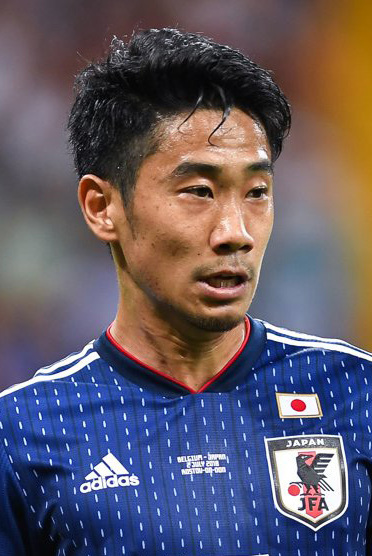
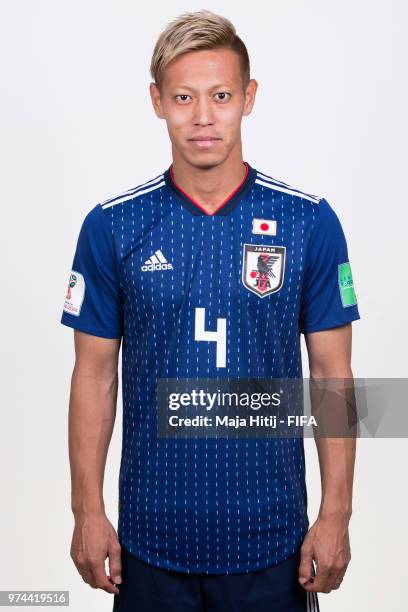
Hasebe's career intersected with several notable figures. At Wolfsburg, he played alongside striker Edin Dzeko, whose goals helped secure the 2009 title. Fellow Japanese midfielder Shinji Kagawa also paved the way for Asian players in the Bundesliga, and the two are often mentioned together as pioneers. More recently, Hasebe has been linked with Keisuke Honda in discussions about Japan's coaching future, with both considered potential candidates for the national team head coach role.
Relationships & Dating History
Hasebe has been married to Arisa Satō, a former model, for several years. The couple met in Japan and tied the knot in a private ceremony, though the exact date has not been made public. They have maintained a low-profile relationship, rarely sharing details on social media. As of 2026, Hasebe remains married to Satō, and there have been no reports of separation or divorce. The couple does not have any publicly known children.
- MarriedArisa SatōCurrentMarried to former model Arisa Satō; details of their wedding are private.
Salary, Net Worth In 2026
$10 Million
iFANN Editorial Team estimate
Per iFANN's editorial analysis, Makoto Hasebe's net worth is estimated at $10 Million as of 2026. His primary income sources during his playing career were his club contracts, which were substantial given his 16-year tenure in the Bundesliga. At Wolfsburg and Frankfurt, he earned a steady salary, with peak earnings likely in the millions per year. He also had endorsement deals, though he was not among the most commercially visible Japanese players. Since retiring, Hasebe's income comes from his coaching role with the Japan national team and potential speaking engagements. His net worth has grown steadily over the past decade, reflecting his long career and prudent financial management. While he has not disclosed specific figures, his earnings are consistent with a player of his stature and longevity.
Awards Won (4)
Hasebe's trophy cabinet includes the Bundesliga title with Wolfsburg in 2009, the DFB-Pokal with Frankfurt, and the UEFA Europa League in 2022. On the international stage, he captained Japan to the 2011 Asian Cup. He also holds the record for most Bundesliga appearances by an Asian player, a testament to his remarkable consistency.
2009 · League Champion
VfL Wolfsburg
2018 · Domestic Cup
Eintracht Frankfurt
Known For
Bundesliga
2008 · Defensive Midfielder / Centre-back
Japan National Team
2006 · Captain / Midfielder
Eintracht Frankfurt
2014 · Club Legend
Keywords
Sources
Quick Facts
- Profession
- association football player, association football coach
- Born
- January 18, 1984
- Birthplace
- Fujieda, Shizuoka, Japan
- Height
- 5 ft 11 in (180 cm)
- Spouse
- Arisa Satō
- National Team Caps
- 114
- Position
- Defensive Midfielder / Centre-back
Personal Details
- Height
- 5 ft 11 in (180 cm)
- Spouse
- Arisa Satō
- Education
- Fujieda Higashi High School
Frequently Asked Questions
How many caps did Makoto Hasebe earn for Japan?
Is Makoto Hasebe married?
What is Makoto Hasebe doing now?
What trophies did Makoto Hasebe win?
Why is Makoto Hasebe famous?
Similar People
Join the community
fans discussing