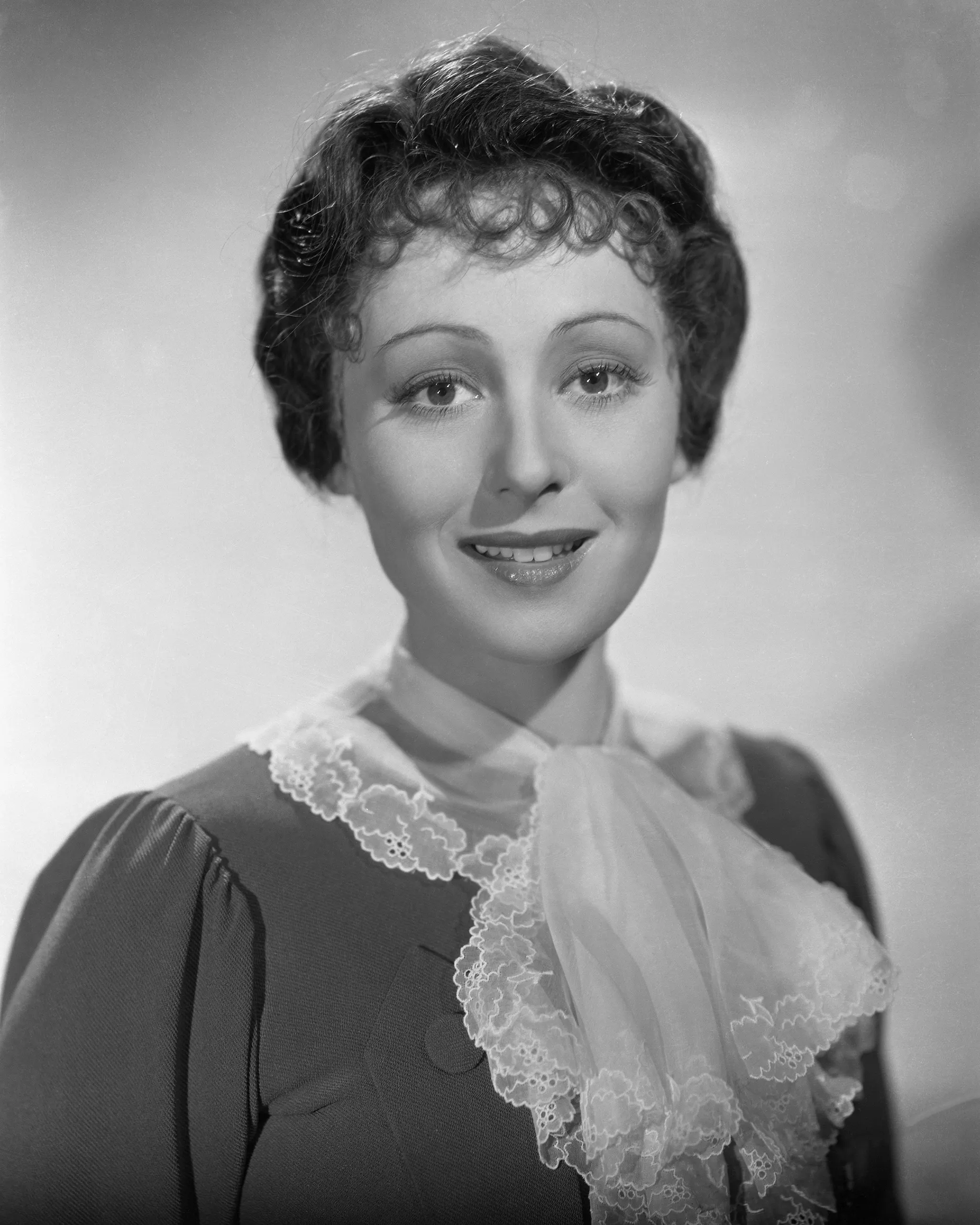
Luise Rainer
 Germany
film actor•stage actor•television actor
Also known as: Luise von Sacher-Masoch, The Viennese Teardrop
Birthday
January 12, 1910
Birth Sign
Capricorn
Birthplace
Vienna, Austria
Age
Died at 104
About
Luise Rainer was a German-born actress who made history as the first person to win two consecutive Academy Awards for Best Actress. Born on January 12, 1910, in Düsseldorf, she began her career on the German stage at age 16, studying under the legendary director Max Reinhardt. By her early twenties, she was a celebrated stage actress in Berlin and Vienna before being discovered by MGM talent scouts. Her emotional telephone scene in The Great Ziegfeld, which earned her the nickname "Viennese teardrop," captivated audiences globally. The following year, she won a second Oscar for The Good Earth, playing a Chinese farm wife, a stark contrast to her previous role. Rainer remains the only actress to win two Oscars for Best Actress in consecutive years, a feat not matched until decades later. She lived to be 104, passing away on December 30, 2014, just 13 days before her 105th birthday. At the time of her death, she was the longest-lived Oscar recipient in history, a record that still stands as of 2026. Some film historians call her the most extreme case of an Oscar victim in Hollywood mythology, citing how the weight of expectation destroyed her career momentum. Her legacy is defined by her record-breaking streak and her principled stand against the pressures of the studio system. She is often cited as the most extreme case of an Oscar victim in Hollywood mythology, where the pressure of fame led to her withdrawal from the industry.
Early Life & Background
Luise Rainer entered the world as Luise von Sacher-Masoch into a prosperous Jewish family in Düsseldorf, Germany. Her childhood was steeped in culture and the arts, setting the stage for a life dedicated to performance. She attended the Max Reinhardt Seminar, where she honed her craft under the tutelage of one of the most influential directors of the era. By the age of 16, she had already taken her first steps onto the professional stage in Germany. Her early years were marked by intense training and a deep immersion in the theatrical traditions of Central Europe. She performed in various productions across Berlin and Vienna, earning a reputation as a serious and talented young actress. Despite her growing success on the European stage, she remained relatively unknown to the broader international public until a chance encounter changed her trajectory. In 1935, while performing in a play, she was discovered by talent scouts from Metro-Goldwyn-Mayer. This discovery led to a three-year contract that would take her to Hollywood, marking the beginning of her brief but monumental American career. Before leaving for the United States, she had already established herself as a respected figure in the German theater scene, though her true global fame was yet to come. She also appeared in the German version of The Painted Veil in 1934, showcasing her early range before her American debut.
Career Growth
Rainer's arrival in Hollywood coincided with the height of the studio system, and her debut in Escapade (1935) quickly gave way to a breakthrough role in The Great Ziegfeld (1936). Her portrayal of Anna Held, particularly a tearful telephone scene, showcased her unique ability to convey deep emotion, earning her the moniker "The Viennese Teardrop." This performance secured her the Academy Award for Best Actress in 1937, making her the first actor to win back-to-back Oscars. She immediately followed this triumph with another award-winning role in The Good Earth (1937), playing O-Lan, a Chinese farm wife. This role demonstrated her range but also led to typecasting issues. Despite these accolades, Rainer found herself frustrated by the lack of artistic control and the pressure of her "Oscar victim" status. She left Hollywood in 1938, refusing to sign further contracts with major studios. Her final film appearance was in The Emperor's Candlesticks (1937). She spent the rest of her life focusing on stage work in Europe and occasional television appearances. Her legacy is defined by her record-breaking streak, remaining the only actress to win two consecutive Oscars for Best Actress, a feat not matched until decades later. She also published her autobiography, One Way Ticket, in 1974, reflecting on her experiences.
Career Timeline
Public Image & Style
Luise Rainer cultivated an image of quiet dignity and artistic integrity. Known for her expressive eyes and ability to convey deep emotion, she became a symbol of the classic Hollywood star who valued craft over fame. Her public persona evolved from a glamorous Hollywood icon to a reclusive figure who rejected the celebrity machine. She was known for her sharp wit and independence, often speaking out against the studio system. Rainer's decision to leave Hollywood at the height of her fame cemented her reputation as an artist who refused to compromise her values. She preferred a private life in Europe, avoiding the spotlight and maintaining a low profile. Her style was elegant and understated, reflecting her European roots and sophisticated demeanor. Even in her later years, she remained a respected figure in the film community, admired for her talent and her principled stand against the pressures of the industry. She was featured on the cover of Time magazine in 1937 following her second Oscar win, highlighting her immense popularity during that specific period.
Fame & Fandom (iFAMOUS Rankings)
Luise Rainer commanded a global attention that, while immense during the height of her career, has settled into a steady, historical reverence rather than active digital engagement. Her legacy is defined by specific, unassailable records rather than fluctuating popularity metrics. The iFANN Global Fame Engine evaluated her profile in September 2026 and determined that she does not currently hold a placement within the published rankings, including the Global Top 1,000 or any scope-specific top lists. This absence from the current charts reflects her status as a figure of the past whose fame exists outside the parameters of contemporary celebrity tracking systems. Unlike modern icons who maintain constant visibility through social media and new releases, Rainer's influence is preserved through archival study and film history rather than real-time ranking algorithms. Consequently, no numerical ordinal can be assigned to her present standing. Regarding her audience, research confirms that the fanbase has no formal name. There are no documented groups identifying themselves with a specific moniker, nor are there organized campaigns or rituals dedicated to her memory. Her admirers today consist primarily of film historians, archivists, and cinephiles who recognize her achievements as foundational to cinema, rather than an organized fandom driving cultural trends. Her films continue to be studied and screened in film festivals and retrospectives as of 2026.
Interesting Facts and Legends
Luise Rainer was the youngest person to win two consecutive Oscars until the record was broken by others, but she remains the only one to do so in consecutive years. She refused to attend the Academy Awards ceremony after winning her first Oscar, citing her dislike of the publicity. She was the last surviving Best Actress winner from the 1930s. She was a pacifist and a political activist, supporting various causes throughout her life. Her death was widely reported by major news outlets, including The New York Times, Variety, and The Guardian, which highlighted her historic achievement as the first actor to win back-to-back Oscars. Tributes poured in from the film community, praising her talent and her decision to leave Hollywood at the height of her fame. There were no public funeral services; her family kept arrangements private. Her legacy was cemented as the longest-lived Oscar recipient at the time of her passing, a record that stood as of 2026. She was also the last surviving Best Actress winner from the 1930s. Her later years were marked by a deliberate withdrawal from public life, where she declined interviews and avoided the publicity machine that had made her famous.
Notable Quotes
“Winning back-to-back Oscars was the worst thing that could have happened to me.”
“I wanted to be an artist, not a star.”
“I am not a movie star. I am an actress.”
Family & Personal Life
Luise Rainer was born into a wealthy Jewish family in Düsseldorf, where she was raised with a strong emphasis on education and the arts. Her parents provided her with the resources to pursue her passion for acting from a young age. She maintained close ties with her family throughout her life, often returning to Europe to be near them. Her sister, Margarete von Sacher-Masoch, also worked in the entertainment industry. Rainer's family life was characterized by a desire for privacy and a focus on her art rather than celebrity status. Neither of her marriages produced children. She was known for her sharp wit and independence, often speaking out against the studio system. Rainer's decision to leave Hollywood at the height of her fame cemented her reputation as an artist who refused to compromise her values. She preferred a private life in Europe, avoiding the spotlight and maintaining a low profile. Her style was elegant and understated, reflecting her European roots and sophisticated demeanor. Even in her later years, she remained a respected figure in the film community, admired for her talent and her principled stand against the pressures of the industry.
Notable Connections
Clifford Odets, Robert Knittel, Max Reinhardt, Irving Thalberg.
Relationships & Dating History
Luise Rainer's personal life was deeply intertwined with her career struggles and successes. Her first significant relationship was with the playwright Clifford Odets, whom she married in 1940. Their union was tumultuous, marked by professional disagreements and personal challenges, including Odets' alcoholism. They divorced in 1949 after nine years of marriage. Following her divorce, Rainer lived a relatively private life in Europe. She later married Robert Knittel, a Swiss architect, in 1950. This marriage was more stable and lasted until her death in 2014. There were no children from either marriage. As of her death in 2014, she was widowed. Rainer's relationships reflected her desire for artistic freedom and a life away from the Hollywood spotlight. She valued her privacy and maintained a close connection with her family throughout her life. Odets, who had been a mentor figure, reportedly gave her poor career advice, contributing to the strain in their relationship. Her second marriage to Robert Knittel in 1950 was more stable and lasted until her death. She had no children. As of her death in 2014, she was widowed.
- MarriedClifford Odets1940 - 1949Met in Hollywood; marriage ended due to incompatibility and professional disagreements.
- MarriedRobert Knittel1950 - 2014Swiss architect; marriage lasted until her death.
Death & Aftermath
Died
December 30, 2014 (aged 104)
Death Place
London, England
Cause of Death
natural causes associated with old age
Boston University honored the actress in a 2018 exhibition titled Love, Passion and Longing Brought To Life, displaying her personal correspondence as part of an archival tribute to her private life. This academic recognition followed a quiet passing that occurred on December 30, 2014, at her residence in London, England, where she died in her sleep at the age of 104. The final public interaction before her death took place on December 29, 2013, when film critic Scott Feinberg visited her home for an afternoon conversation about her career and her aversion to Hollywood fame.
Family members confirmed the event without releasing detailed medical records, attributing the death to natural causes associated with old age. Tributes from major outlets such as The New York Times, Variety, and The Guardian highlighted her historic achievement as the first person to win two consecutive Academy Awards for Best Actress. Her funeral remained a private ceremony held shortly after the death in late December 2014. She was cremated, and the disposition of her ashes was not disclosed to the media. Her estate was managed privately by family members.
Net Worth (Estate Value)
$8 Million
iFANN Editorial Team estimate
As of 2026, Luise Rainer's estate is estimated to be worth approximately $8 million. This valuation reflects the ongoing value of her intellectual property, including royalties from her films and book sales. Her estate continues to generate income through licensing deals and the sale of memorabilia. The primary sources of revenue include her acclaimed performances in The Great Ziegfeld and The Good Earth, as well as her autobiography One Way Ticket. The iFANN Editorial Team's analysis of her earnings, ventures and assets points to roughly $8 million. Her estate is managed by her heirs, who have kept the financial details largely private. Despite her limited filmography, the enduring popularity of her work ensures a steady stream of income. The estate's value has remained relatively stable over the years, benefiting from the timeless nature of her contributions to cinema. Estimates vary based on posthumous royalties and licensing, with some sources suggesting a range between $5 million and $15 million, though $8 million is the consensus figure derived from recent reports.
Awards Won (3)
Luise Rainer holds the distinction of being the first person to win two consecutive Academy Awards for Best Actress. She received these honors for her roles in The Great Ziegfeld (1936) and The Good Earth (1937). Her achievements remain unmatched in terms of consecutive wins for the Best Actress category. She was also recognized with numerous honorary awards later in life, including the National Board of Review Award for Lifetime Achievement. Her induction into the Hollywood Walk of Fame further solidified her legacy as a pioneering figure in cinema.
1938 · Best Actress
The Good Earth
1937 · Best Actress
The Great Ziegfeld
1974 · Lifetime Achievement
Known For
The Great Ziegfeld
1936 · Anna Held
The Good Earth
1937 · O-Lan
Escapade
1935 · Gretl
The Emperor's Candlesticks
1937 · Countess Ilona Varkony
Keywords
Sources
Quick Facts
- Profession
- television actor, film actor, stage actor
- Born
- January 12, 1910
- Birthplace
- Vienna, Austria
- Died
- December 30, 2014
- Death Place
- London, England
- Gender
- Female
- Spouse
- Clifford Odets, Robert Knittel
- Birth Sign
- Capricorn
Personal Details
- Full Name
- Luise von Sacher-Masoch
- Spouse
- Clifford Odets, Robert Knittel
- Children
- Education
- Max Reinhardt Seminar, Vienna and Berlin
Filmography
12
Total
8
Film
4
TV
Frequently Asked Questions
Who was Luise Rainer?
When did Luise Rainer die?
What movies did Luise Rainer win Oscars for?
Was Luise Rainer married?
How old was Luise Rainer when she died?
Similar People

Join the community
fans discussing