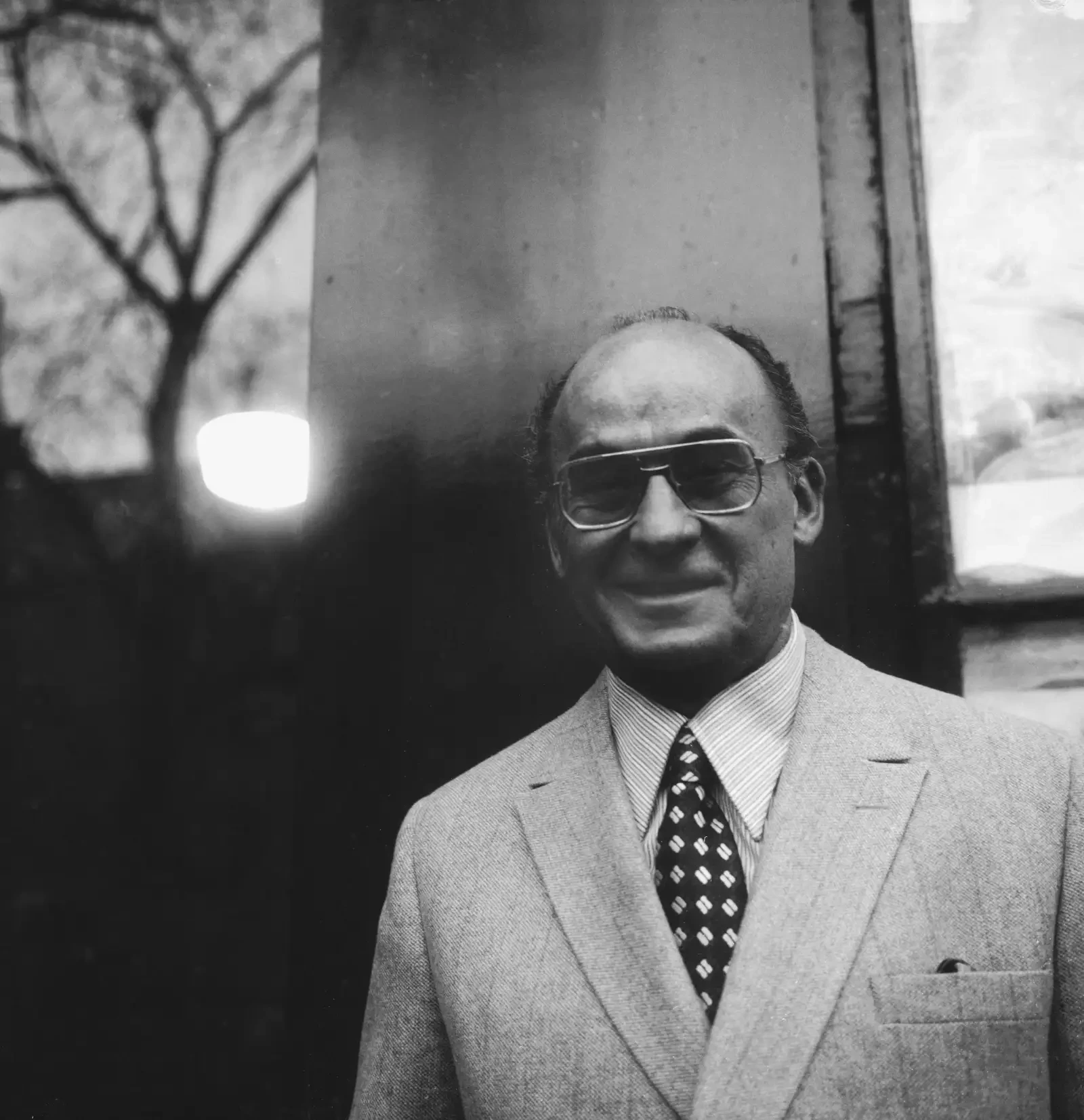
Luis Echeverría
 Mexico
Birthday
+1922-01-17
Birth Sign
Capricorn
Birthplace
Mexico City
Age
Died at 100
About
Luis Echeverría Álvarez, born in Mexico City on January 17, 1922, began his career as a lawyer and academic before entering politics. He became a significant figure within the Institutional Revolutionary Party (PRI), a party that dominated Mexican politics for decades. His path led him to serve as Mexico's 57th president from 1970 to 1976, a period marked by both ambitious foreign policy and domestic controversy. Before his presidency, Echeverría held the crucial post of Secretary of the Interior from 1963 to 1969, a role that placed him at the center of the country's political landscape during a turbulent time. He lived to be 100 years old, passing away on July 8, 2022, making him the longest-lived president in Mexican history.
Fame & Fandom (iFAMOUS Rankings)
Luis Echeverría Álvarez stands as the 64th most famous person in Mexico, while his influence extends across the continent to rank him as the 86th most famous person in Latin America. These placements, holding steady from previous cycles within the iFANN Global Fame Rankings, reflect a legacy that remains deeply embedded in the collective memory of the region. His enduring notoriety stems less from popular adoration and more from the sheer weight of historical events that define his tenure. Despite passing away at the age of 100, the contours of his life continue to generate global attention, tracking media coverage and consumption signals worldwide without diminishing in relevance.
The concept of a traditional fandom does not apply here. There is no organized community of fans, no unofficial names for supporters, and no fan-funded projects or rituals dedicated to his memory. Unlike entertainers who cultivate devoted followings, Echeverría's audience consists of historians, political scientists, and citizens engaged with the complex narrative of modern Mexico. The public discourse surrounding him is characterized by rigorous debate rather than celebration, focusing on the stark realities of his presidency and the controversies that shadowed his final years.
Interesting Facts and Legends
Before ascending to the presidency, Echeverría served as Secretary of the Interior during one of the most turbulent periods in Mexican history, placing him at the center of the country's political landscape. He lived to be 100 years old, making him the oldest living former head of state in Mexico at the time of his death in July 2022. A defining chapter of his legacy involves the Tlatelolco Massacre of October 1968, where he was frequently blamed for orchestrating the military crackdown on student protesters in the Plaza de las Tres Culturas, an event resulting in hundreds of deaths. Another widely retold story concerns the Corpus Christi Massacre in June 1971, which occurred during his own administration and involved the killing of students and workers at the National Polytechnic Institute. In 2009, a federal court upheld a ruling preventing him from facing genocide charges related to the 1968 massacre due to his advanced age and health, though the court acknowledged the gravity of the allegations. Obituaries consistently characterize him as a demagogue who promised democratic opening but oversaw one of the harshest periods of repression in Mexican history, cementing a legacy defined by controversy rather than charisma.
Death & Aftermath
Died
+2022-07-08 (aged 100)
Death Place
Mexico City, Mexico
Cause of Death
Natural causes related to advanced age
The family of Luis Echeverría Álvarez announced his passing on July 9, 2022, confirming that the former Mexican president had died at the age of 100. The jurist and diplomat succumbed to natural causes related to his advanced age, with his final days spent out of the public eye following a long life marked by significant political controversy. Public reaction to the announcement reflected a complex mix of mourning from supporters and condemnation from human rights activists. Tributes issued by various institutions acknowledged his role as a leader of the Third World, yet many obituaries highlighted his tarnished legacy and association with state-sponsored violence during the 1968 Tlatelolco massacre. The National Security Archive released a briefing on September 30, 2022, marking the anniversary of the massacre to discuss his legacy of co-opt and control rather than celebrating his life.
His passing occurred in the shadow of decades of legal battles concerning his role in human rights abuses. In March 2009, a federal court in Mexico upheld a lower court's ruling that he did not have to face genocide charges due to his age and health, effectively ending that specific legal pursuit while he was still alive. However, his legacy continued to be analyzed in academic and journalistic circles, with articles published weeks after his death examining his impact on Mexican history and foreign policy.
Awards & Accolades
Keywords
Quick Facts
- Profession
- diplomat, politician, jurist
- Born
- +1922-01-17
- Birthplace
- Mexico City
- Died
- +2022-07-08
- Death Place
- Cuernavaca
- Gender
- Male
- Spouse
- María Esther Zuno
- Birth Sign
- Capricorn
Personal Details
- Spouse
- María Esther Zuno
Join the community
fans discussing