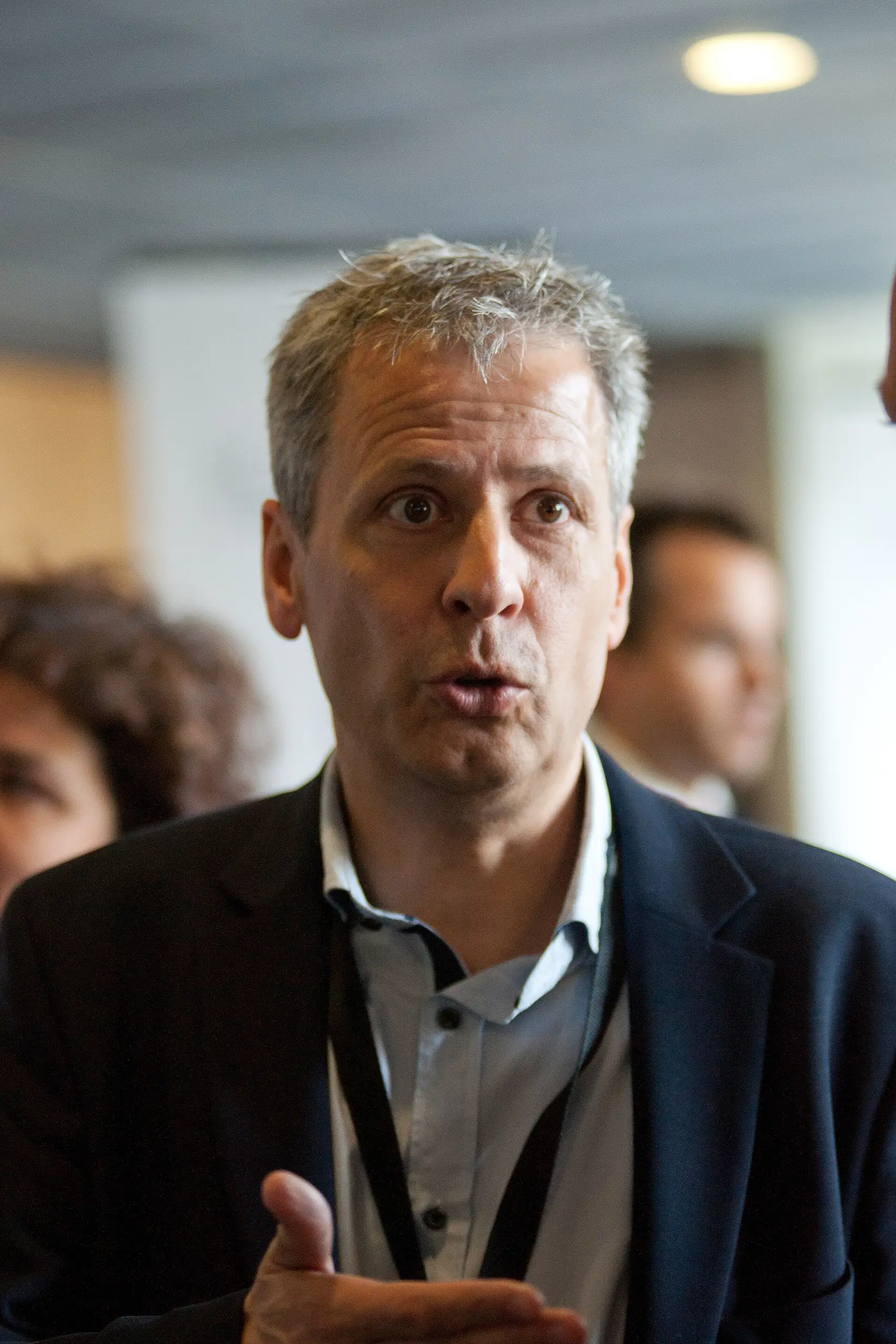
Lucien Favre
 Switzerland
association football player•association football coach
Also known as: The Brain
Birthday
November 2, 1957
Birth Sign
Scorpio
Birthplace
Saint-Barthélemy, Switzerland
Age
68 years old
About
Lucien Favre is a Swiss former professional football player and manager, widely respected for his tactical intelligence and his ability to rebuild teams. Born on November 2, 1957, in Saint-Barthélemy, he spent his playing career as a creative midfielder, most notably with Servette, where he won a league title. After hanging up his boots, Favre became one of the most admired coaches in European football, known for developing young talent and implementing an attractive, possession-based style.
As of 2026, Favre is retired, having stepped away from coaching after a career that spanned more than three decades. He is best remembered for his successful spells at Borussia Mönchengladbach and Borussia Dortmund, where he restored the latter to the upper echelons of German football. His nickname, "The Brain," reflects the meticulous planning and adaptability that defined his approach to the game.
Early Life & Background
Lucien Favre grew up in the small Swiss village of Saint-Barthélemy, near Lausanne. He began playing football at an early age, joining FC Oulens youth setup in 1967, where he spent four years honing his skills. As a young midfielder, Favre was known for his vision and passing ability, qualities that would later define his coaching philosophy.
His professional playing career began in the mid-1970s, and he quickly established himself as a playmaker. Favre spent the majority of his playing days with Servette, where he was part of a successful era for the club. He also had stints with other Swiss and French teams, gaining experience that would later inform his tactical thinking. Though he was not a prolific scorer, his ability to control the tempo of a match set him apart.
Favre's transition to coaching came after his retirement as a player, and he started in the youth ranks of various clubs, learning the trade before taking on senior roles. His early coaching career was marked by a meticulous attention to detail and a willingness to adapt his tactics to the players at his disposal.
Career Growth
Favre's managerial breakthrough came in Switzerland, where he led Servette to a league and cup double. He repeated that success with Zürich, winning another league title. His reputation grew, and in 2007 he moved to Germany to take charge of Hertha BSC, guiding them to a fourth-place finish in the Bundesliga and qualification for the Champions League.
After a brief spell at Hertha, Favre joined Borussia Mönchengladbach in 2011, saving them from relegation and then transforming them into a top-four side. His work there earned him a move to Borussia Dortmund in 2018, where he reignited the team's attacking flair. Under his leadership, Dortmund challenged Bayern Munich for the title in 2018-19 and reached the Champions League knockout stages. However, a 5-1 defeat to Stuttgart in December 2020 led to his dismissal.
Favre then took a break before returning to manage OGC Nice in Ligue 1. His time in France was less successful, and he left the club in 2023. After more than two years out of work, Favre announced his retirement in late 2025, stating, "I've done enough. That's enough." He leaves behind a legacy of tactical innovation and a reputation for developing young players.
Career Timeline
Public Image & Style
Favre is widely regarded as a tactical perfectionist, earning the nickname "The Brain" for his analytical approach to the game. He is known for his calm, understated demeanor, rarely showing emotion on the sidelines. Media profiles often highlight his humility and his preference to let his teams' performances speak for themselves. Fans appreciate his commitment to attacking football and his willingness to give young players a chance. His training sessions are reportedly intense, with a focus on positional play and quick passing combinations. Favre's public image is that of a thoughtful, methodical coach who values intelligence over bravado.
Fame & Fandom
Lucien Favre commands a unique form of reverence among football purists, distinguished not by the raucous adulation reserved for pop stars or goal-scoring heroes, but by a quiet, intellectual devotion from those who study the game's architecture. His supporters are less a unified legion with chants and banners and more a scattered community of tacticians and historians who revere his analytical approach to possession and youth development. Unlike managers whose legacies rely on viral outbursts or flamboyant personalities, Favre's fanbase is defined by their appreciation for the subtle artistry of his coaching philosophy. They celebrate the specific tactical shifts he implemented at Borussia Dortmund, viewing his tenure as a masterclass in restoring stability through beautiful football rather than a series of dramatic moments. While clubs like Nice and Gladbach have passionate crowds, these fans identify with the institution first; there is no formal name for Favre's specific following, nor are there documented rituals or campaigns dedicated solely to him. His digital footprint remains minimal, reflecting a man who lets his teams speak without needing a curated personal brand. Despite this low profile, his impact resonates deeply within the Swiss football community and among German coaching circles where he is hailed as a legend. iFANN has evaluated Lucien Favre extensively, yet he currently holds no placement in the Global Top 1,000 or any Top-100 scope list, meaning he is not ranked among the world's most famous individuals at this time.
Interesting Facts and Legends
Known as 'The Brain' for his meticulous preparation, Favre famously credits his love of chess for sharpening his ability to anticipate several moves ahead on the pitch. He is an avid student of tactical history, often drawing inspiration from the total football theories of Rinus Michels. A persistent quirk in his daily routine involves insisting on keeping a whiteboard in his office to sketch training drills at any hour, regardless of the time. Fluent in French, German, and English, he navigated European leagues with ease, though he once surprised the football world by turning down an offer from Crystal Palace in 2021 after initially agreeing to take the job. Beyond the statistics, a story persists among Dortmund supporters about his appointment in May 2018 as the club's fourth coach in a year, tasked with ending a period of instability and bringing sustainability back to the dugout. Fans still retell tales of how he integrated Axel Witsel into a new tactical role during the 2018/2019 season, a move widely analyzed as the key to unlocking the team's potential. This era cemented his reputation as a manager who could revive a struggling giant through pure intellect rather than flashy signings. After a 33-year career that included successful spells at Hertha BSC and Nice, he officially announced his retirement in late 2025, leaving behind a legacy of calm authority and attacking principles.
Notable Quotes
“I've done enough. That's enough.”
“I am happy to be tactically flexible to meet the players at my disposal, but any flexibility takes place within a defined approach.”
Family & Personal Life
Details about Lucien Favre's family life are scarce, as he has always kept his personal affairs private. He is known to be married, but his wife's name and profession are not publicly confirmed. The couple has children, though their names and ages are not widely reported. Favre has mentioned in interviews that his family has been a source of stability throughout his coaching career, especially during the more turbulent periods at clubs like Dortmund and Nice. His upbringing in a small Swiss village instilled in him a work ethic that he carried into his professional life.
Notable Connections
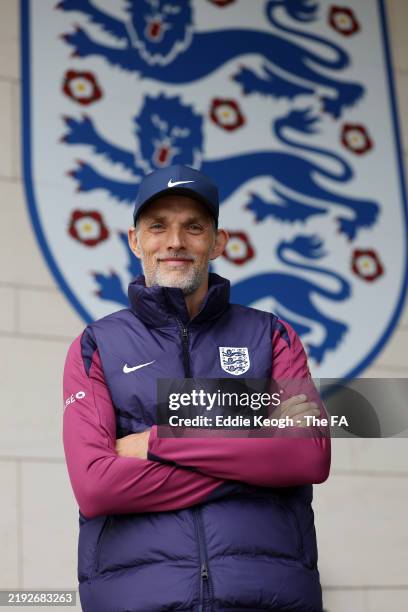
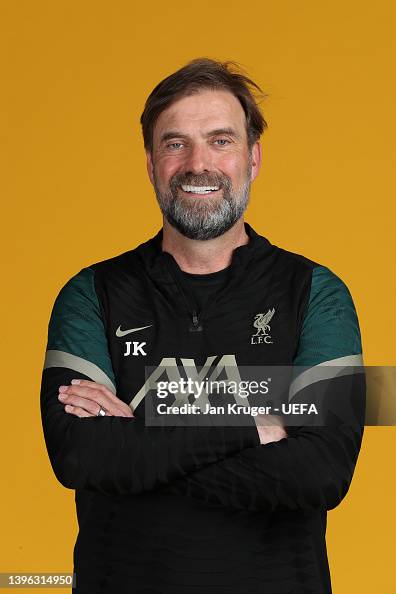
Favre is associated with several players he coached, most notably Axel Witsel, who thrived under his system at Borussia Dortmund. He also worked with the likes of Marco Reus, Jadon Sancho, and Erling Haaland, helping to develop their careers during his tenure. His coaching contemporaries include Thomas Tuchel and Jürgen Klopp, with whom he shared the Bundesliga stage.
Relationships & Dating History
Lucien Favre has kept his romantic life out of the public eye. He is married, but the identity of his wife is not widely known, and he rarely discusses his family in interviews. There are no public records of any previous marriages or high-profile relationships. Favre's focus has always been on football, and he has managed to maintain a private personal life despite his high-profile career. As of 2026, he is believed to still be married, though he does not share details about his personal relationships with the media.
Salary, Net Worth In 2026
$20 Million
iFANN Editorial Team estimate
iFANN currently estimates Lucien Favre's net worth at $20 million as of 2026. This substantial figure reflects a long and distinguished coaching career spent at some of Europe's most prominent clubs. During his high-profile tenure at Borussia Dortmund, he reportedly commanded an annual salary of around $6 million, placing him among the highest-paid coaches in Bundesliga history. His financial standing was further bolstered by significant contracts held at Hertha BSC and Borussia Mönchengladbach throughout his decades in management. Beyond base salaries, Favre has accumulated wealth through various endorsement deals and public appearances, adding to his overall portfolio. He has also made strategic investments in real estate, although the specifics of his property holdings remain private. Since stepping away from professional coaching, his income streams have diversified to include media commentary and speaking engagements, though these contributions are likely modest compared to his peak earning years. His financial position has remained relatively stable in recent times, supported by his established reputation even without taking on major new managerial roles since departing Nice.
Awards Won (3)
Lucien Favre has won three major titles as a coach. He secured the Swiss championship and the Swiss Cup with Servette, and later added another Swiss championship with Zürich. These achievements highlight his ability to win domestic honors, though he never claimed a major European trophy.
2006 · League
Zürich
1994 · League
Servette
1994 · Cup
Servette
Known For
Borussia Dortmund
2018 · Head Coach
Borussia Mönchengladbach
2011 · Head Coach
Hertha BSC
2007 · Head Coach
Keywords
Sources
Quick Facts
- Profession
- association football player, association football coach
- Born
- November 2, 1957
- Birthplace
- Saint-Barthélemy, Switzerland
- Gender
- Male
- Birth Sign
- Scorpio
- Nickname
- The Brain
Frequently Asked Questions
How old is Lucien Favre?
What is Lucien Favre's net worth in 2026?
When did Lucien Favre retire from coaching?
Which clubs did Lucien Favre manage?
Why is Lucien Favre nicknamed 'The Brain'?
Similar People
Join the community
fans discussing