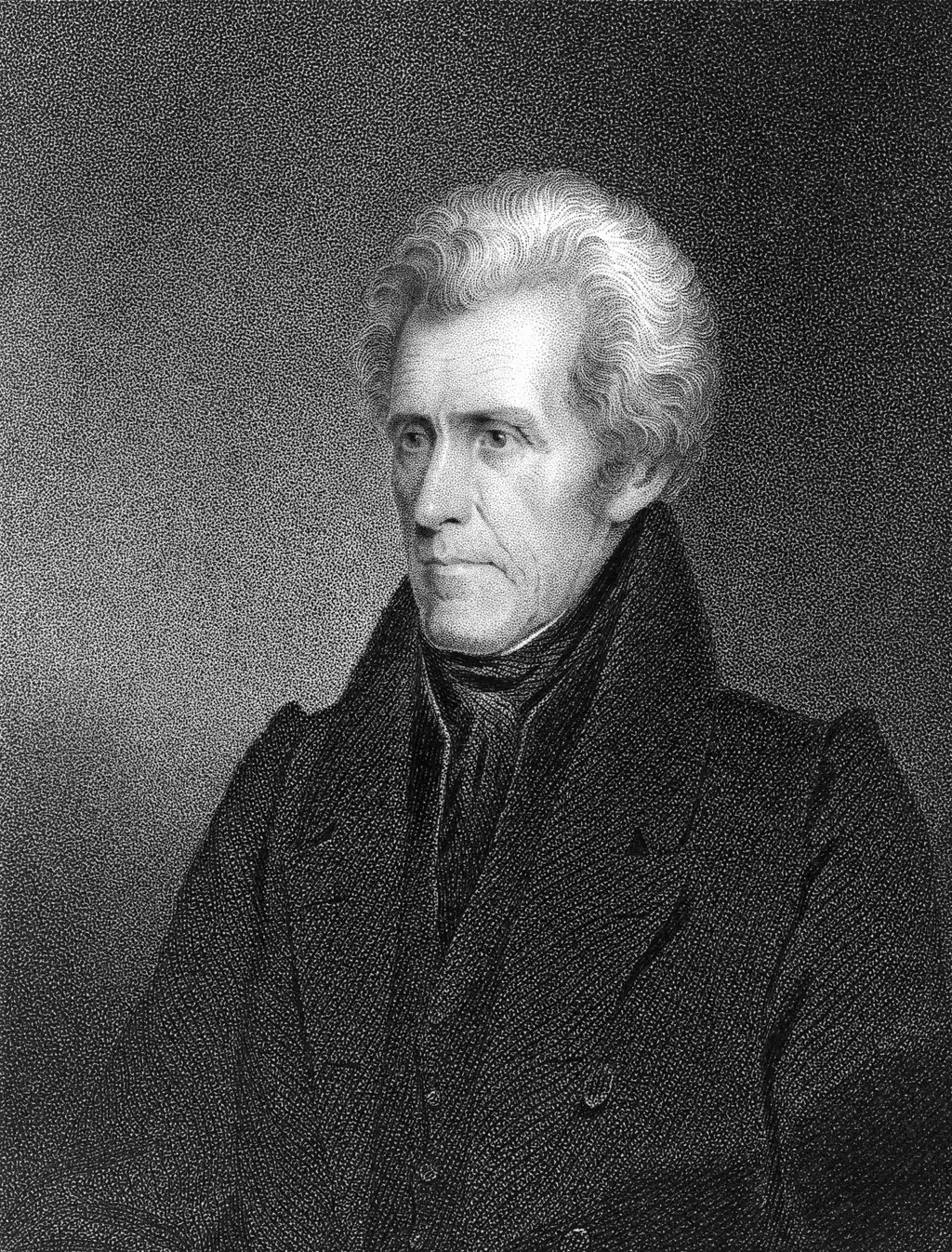
Louis Riel
 Canada
Also known as: Louis David Riel, David Riel
Birthday
October 22, 1844
Birth Sign
Libra
Birthplace
Saint Boniface, Red River Settlement
Age
Died at 41
About
Louis Riel stands as a foundational and polarizing figure in Canadian history, revered as the "Father of Manitoba" for his pivotal role in negotiating the province's entry into Confederation. Born on October 22, 1844, in Saint Boniface within the Red River Settlement, he was a Métis leader, politician, writer, and teacher whose life was defined by two major armed resistances against the federal government under Prime Minister John A. Macdonald. His legacy is one of complex duality: viewed as a dangerous rebel and traitor by English-speaking Canadians during his lifetime, he has been reclaimed by French Canadians and the Métis people as a martyr and a heroic defender of Indigenous rights and sovereignty.
Riel's distinctiveness lies in his ability to articulate the Métis struggle through eloquence and satire, bridging cultural divides while leading movements that fundamentally altered the map of Canada. He established a provisional government during the Red River Resistance of 1869–1870, successfully securing Manitoba's creation, yet his supporters' execution of Thomas Scott cast a long shadow over his career. His later leadership of the North-West Rebellion in 1885 ended in defeat and his subsequent execution, an event that deepened the country's ethno-religious divide. Today, historians regard him as one of the most studied figures in the nation's history, with his actions continuing to provoke intense debate regarding justice, identity, and the nature of the Canadian state.
Unlike typical political leaders, Riel operated under a profound conviction of a divine mission, believing himself chosen by God to save his people, a belief that modern scholars often link to mental health struggles such as bipolar disorder or schizophrenia. This spiritual dimension, combined with his bilingualism and fluency in multiple Indigenous languages, created a unique persona that transcends standard political biography. His story remains central to contemporary discussions on reconciliation, symbolized by the 2006 statue unveiled on the Parliament Buildings in Ottawa and the annual observance of Louis Riel Day across several provinces.
Early Life & Background
Louis Riel was born on October 22, 1844, in Saint Boniface, part of the Red River Settlement, as the first child of Louis Riel Sr., a prominent Métis farmer and fur trader, and Julie Lagimodière, who was of French-Canadian descent. Growing up in this bilingual and bicultural household provided him with a unique perspective on the tensions forming between the Métis people and the encroaching Dominion of Canada. The community faced increasing uncertainty as English-speaking settlers moved westward, threatening traditional Métis land rights and way of life, setting the stage for Riel's future activism.
Riel displayed exceptional intellectual promise from a young age, though his early education was largely informal. In 1857, at just 13 years old, he was sent to Montreal to attend the Collège de Montréal, a Jesuit college. This period proved transformative; he excelled in languages and literature but struggled with the rigid religious discipline imposed by the institution. After four years of study, he left without graduating and returned to Red River in 1861. Before emerging as a political leader, he worked as a teacher and a clerk, roles that kept him deeply involved in the daily struggles of his community. He witnessed firsthand the erosion of Métis culture and the lack of representation in the face of federal expansion, which fueled his resolve to protect his people's interests.
Career Growth
Riel's career was marked by dramatic shifts from educator to rebel leader to exile and back again, driven by his commitment to Métis rights. In 1869, the Red River Resistance began when the Hudson's Bay Company transferred Rupert's Land to Canada without consulting the Métis. Riel emerged as the movement's leader, forming a provisional government that negotiated Manitoba's entry into Confederation in 1870. However, the resistance turned controversial when his supporters executed Thomas Scott, an Ontario nationalist. Facing charges of murder and treason, Riel fled to the United States.
During his exile in Northern New York (St. Paul, Minnesota) between 1872 and 1874, Riel was elected three times to the Canadian House of Commons but refused to take his seat due to the outstanding warrant for his arrest. From 1875 to 1884, he lived in Montana Territory, working as a farmer and schoolteacher. During this period, he became increasingly convinced of a divine mission, suffering from episodes that modern historians often describe as bipolar disorder or schizophrenia. In 1881, he married Marguerite Monet dite Bellehumeur, and they had one son, Louis Riel Jr., born in 1882.
In 1884, Métis leaders in the North-West Territories invited Riel to return to Canada to address grievances regarding land surveys and representation. He returned and led the North-West Rebellion in 1885, with Gabriel Dumont serving as his military commander. The conflict culminated in the Battle of Batoche in May 1885, which ended in defeat. Arrested in Saskatchewan, Riel was tried for high treason in Regina. Despite a jury recommendation for clemency, Chief Justice Hugh Richardson sentenced him to death. His execution on November 16, 1885, marked the end of his active political career but cemented his status as a foundational figure in Canadian history.
Career Timeline
Public Image & Style
Louis Riel is remembered as a complex and polarizing figure whose image has evolved significantly over time. Initially portrayed as a dangerous rebel and traitor by the English-speaking majority, he was later reclaimed by French Canadians and the Métis as a martyr and defender of indigenous rights. His public persona was that of a charismatic leader with a strong sense of justice and a deep spiritual conviction. Media depictions of him have ranged from the mad visionary to the heroic statesman, reflecting the ongoing tension in Canadian identity. His eloquence and ability to articulate the Métis struggle earned him respect even among opponents, though his methods remain subjects of intense historical debate.
Fame & Fandom (iFAMOUS Rankings)
Louis Riel stands as a monumental figure in Canadian history, yet the iFANN Global Fame Engine has evaluated his standing and determined he does not currently hold a placement in the published rankings (Global Top 1,000 or a Top-100 scope list). While he commands the devotion of an entire nation rather than a pop-culture following, his legacy functions with the intensity of a dedicated fanbase. The Métis people and their descendants serve as his primary audience, organizing around his memory through state-sanctioned holidays and educational institutions. This community observes Louis Riel Day annually on November 16, transforming his execution into a day of solemn remembrance and political advocacy.
Their devotion is institutionalized within the Manitoba Métis Federation and reflected in the naming of the Louis Riel School Division and the recently opened Louis Riel College campus in Winnipeg. These entities act as modern temples to his memory, ensuring his story remains central to civic identity. The community gathers for events like the Louis Riel Cup Hockey Tournament and visits the Riel House National Historic Site to immerse themselves in his life. Unlike living celebrities who rely on social media campaigns or chart pushes, Riel's influence persists through enduring cultural reverence and the ongoing discourse regarding Indigenous sovereignty. His story is told through verified historical narratives rather than folklore, cementing his status as a foundational hero whose impact transcends typical fame metrics.
Interesting Facts and Legends
Known for his sharp wit and eloquence, Riel often used satire and humor in his political writings to rally support for the Métis cause. He was a polyglot, fluent in French, English, Latin, and several Indigenous languages, which allowed him to bridge cultural divides effectively. His belief in a divine mission was not merely a personal quirk but a central pillar of his leadership, convincing many Métis that he was acting under direct instruction from God. The execution of Thomas Scott remains one of the most contentious events in Canadian history, creating a rift between English and French Canada that persists in cultural memory. Historians have long debated his mental state, with some suggesting he suffered from bipolar disorder or schizophrenia, though no official diagnosis was made during his lifetime.
Notable Quotes
“I am glad the Crown have proved that I am the leader of the half-breeds in the Northwest.”
“The time has come for us to stand up for our rights.”
Family & Personal Life
Louis Riel was the first child of Louis Riel Sr., a prominent Métis farmer and fur trader, and Julie Lagimodière, who was of French-Canadian descent. The family lived in Saint Boniface within the Red River Settlement, a hub of Métis culture and politics. Riel maintained close ties with his parents throughout his life, drawing strength from their prominence in the community. He had no siblings mentioned in public records, focusing his familial energy on his own immediate lineage.
In 1881, he married Marguerite Monet dite Bellehumeur in Montana Territory. She was the daughter of a local Métis family, and together they had one son, also named Louis Riel, born in 1882. Marguerite died in 1886, shortly after Riel's execution. There are no other public records of romantic partners or extended family members playing significant roles in his public life. His relationship with his wife was central to his personal life during his years in Montana, providing stability amidst his political turmoil.
Notable Connections
Relationships & Dating History
As a historical figure whose life ended in 1885, Louis Riel does not have a dating history in the modern sense of celebrity relationships. His only documented romantic relationship was his marriage to Marguerite Monet dite Bellehumeur. They wed in 1881 in Montana Territory, where Riel was living in exile. The couple had one son, Louis Riel Jr., born in 1882. Marguerite died in 1886, shortly after Riel's execution. There are no other public records of romantic partners or flings. His relationship with his wife was central to his personal life during his years in Montana, providing stability amidst his political turmoil.
- MarriedMarguerite Monet dite Bellehumeur1881 - 1886They had one son, Louis Riel Jr., born in 1882. She died shortly after his execution.
Death & Aftermath
Died
November 16, 1885 (aged 41)
Death Place
Regina, Northwest Territories
Cause of Death
Judicial execution by hanging
The scene at the Regina Gaol on November 16, 1885, marked the end of a life defined by resistance and faith. Louis Riel spent his final months in solitary confinement, writing letters that expressed deep religious conviction and a hope for reconciliation between the Métis people and the Canadian government. Despite appeals to the Privy Council and a jury recommendation for clemency, Chief Justice Hugh Richardson sentenced him to death for high treason following the North-West Rebellion. The hangman William Wilson carried out the sentence at age 41, an act that immediately fractured public opinion across the young nation.
English-speaking Canadians largely viewed the execution as a necessary restoration of order, while French Canadians and the Métis saw it as a martyrdom that deepened the country's ethno-religious divide. Riel's body was buried in an unmarked grave in the Old Catholic Cemetery in St. Boniface, Winnipeg, where it remained hidden for seven years until exhumation in 1892. Decades later, his reputation shifted from traitor to hero. In 2006, a bronze statue unveiled on the Parliament Buildings in Ottawa symbolized a national reconciliation with his legacy. Today, his memory is honored through the annual Louis Riel Day holiday and institutions like the Louis Riel College, ensuring his story remains central to discussions of Indigenous sovereignty and justice.
Net Worth (Estate Value)
$0
iFANN Editorial Team estimate
As a historical figure who passed away in 1885, Louis Riel did not accumulate personal wealth in the modern sense. His estate value is not tracked through financial markets or asset portfolios. Instead, his legacy generates value through cultural institutions, educational endowments, and commemorative projects. The Louis Riel College, which opened its first campus in Winnipeg in August 2026, operates as a key institution preserving his memory and providing education to Métis students. The Louis Riel School Division continues to function as a vital educational entity in Manitoba, funded by provincial resources. Annual tributes, such as the Louis Riel Bursaries awarded in 2026, support students in his name. While there is no personal net worth to report, the economic impact of his legacy is sustained through these public and institutional frameworks that honor his contributions to Canadian history.
Awards & Accolades
View 3 records, honours and achievementsKnown For
Red River Resistance
1869 · Leader
North-West Rebellion
1885 · Leader
Father of Manitoba
1870 · Founder
Keywords
Sources
Quick Facts
- Profession
- politician, writer, teacher
- Born
- October 22, 1844
- Birthplace
- Saint Boniface
- Died
- November 16, 1885
- Death Place
- Regina
- Gender
- Male
- Birth Sign
- Libra
Personal Details
- Full Name
- Louis Riel
- Spouse
- Marguerite Monet dite Bellehumeur
- Children
- Louis Riel Jr.
- Education
- Collège de Montréal (attended 1857–1861)
Frequently Asked Questions
Who was Louis Riel?
How did Louis Riel die?
Why is Louis Riel controversial?
What is Louis Riel Day?
Did Louis Riel have children?
Similar People
Join the community
fans discussing